
Auction History
| Auction started |


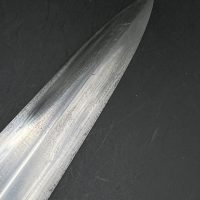
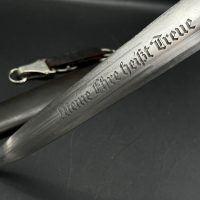
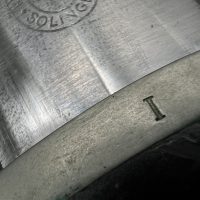
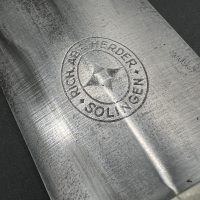
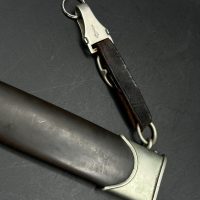
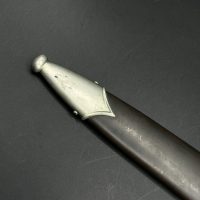
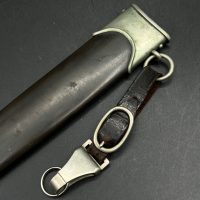
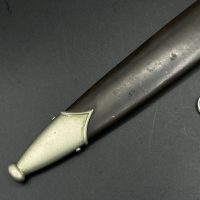
Starting bid: $ 6,725
Auction ends: October 1, 2026 2:00 PM
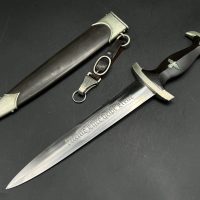
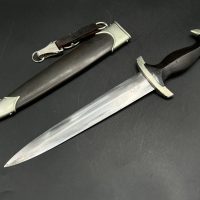
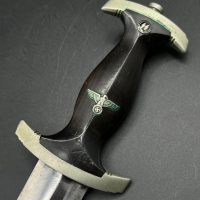
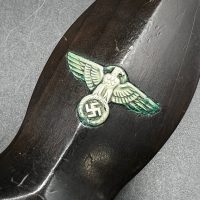
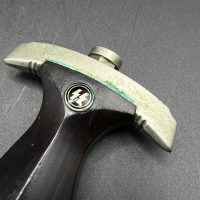
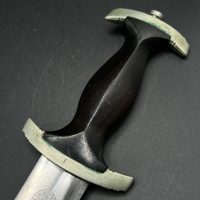
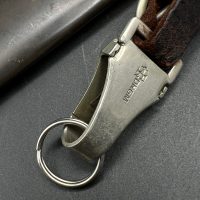
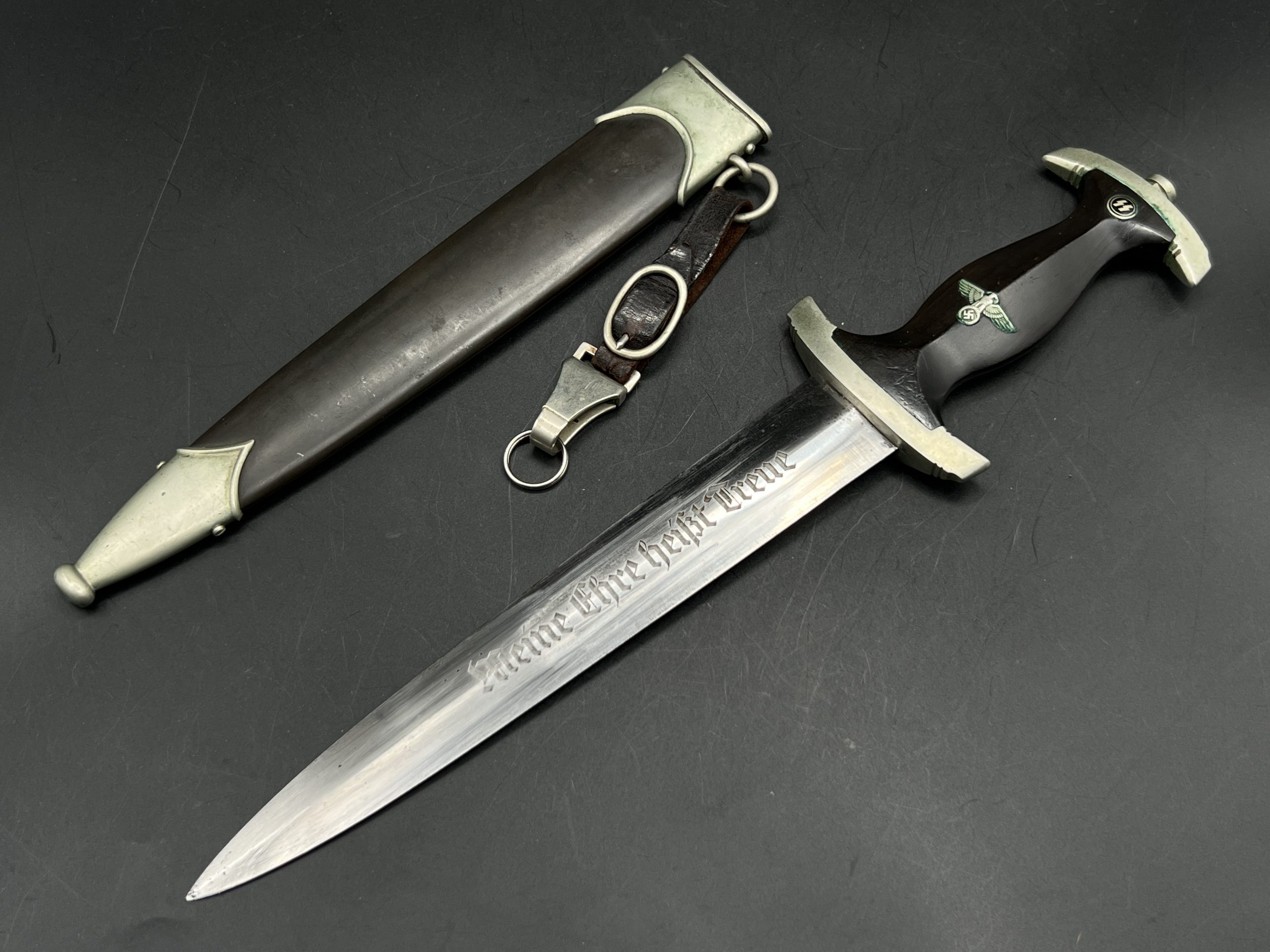
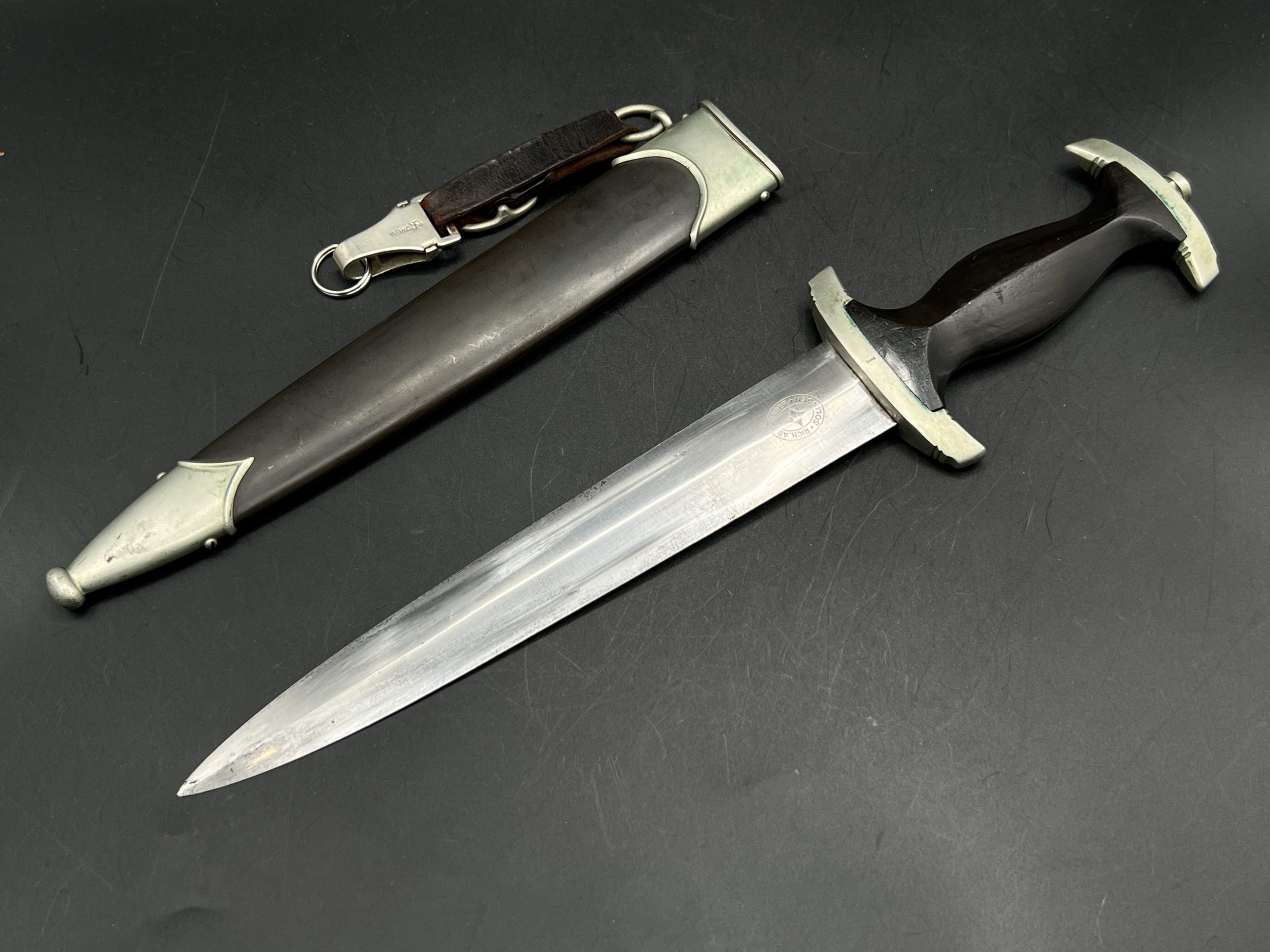
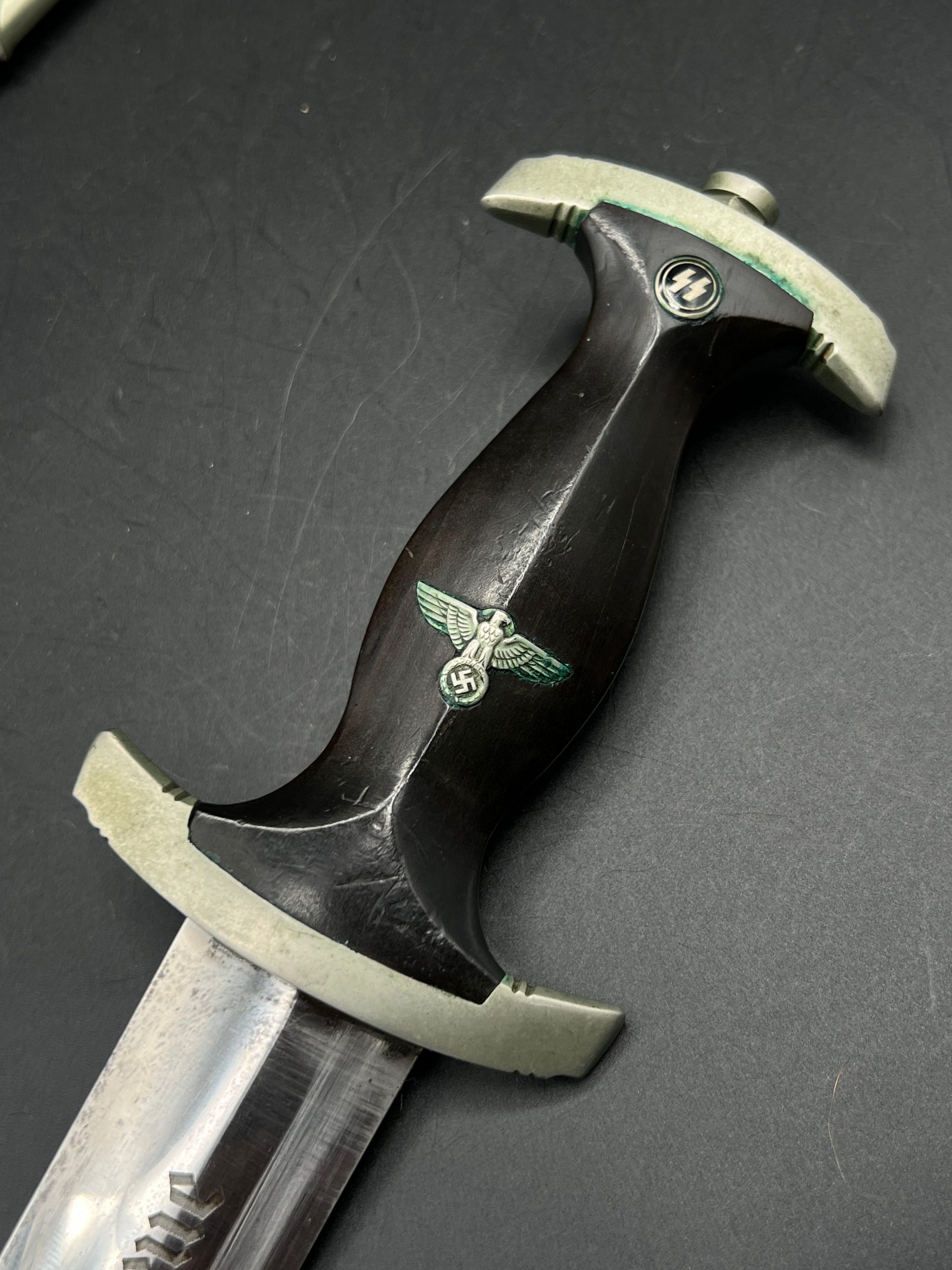
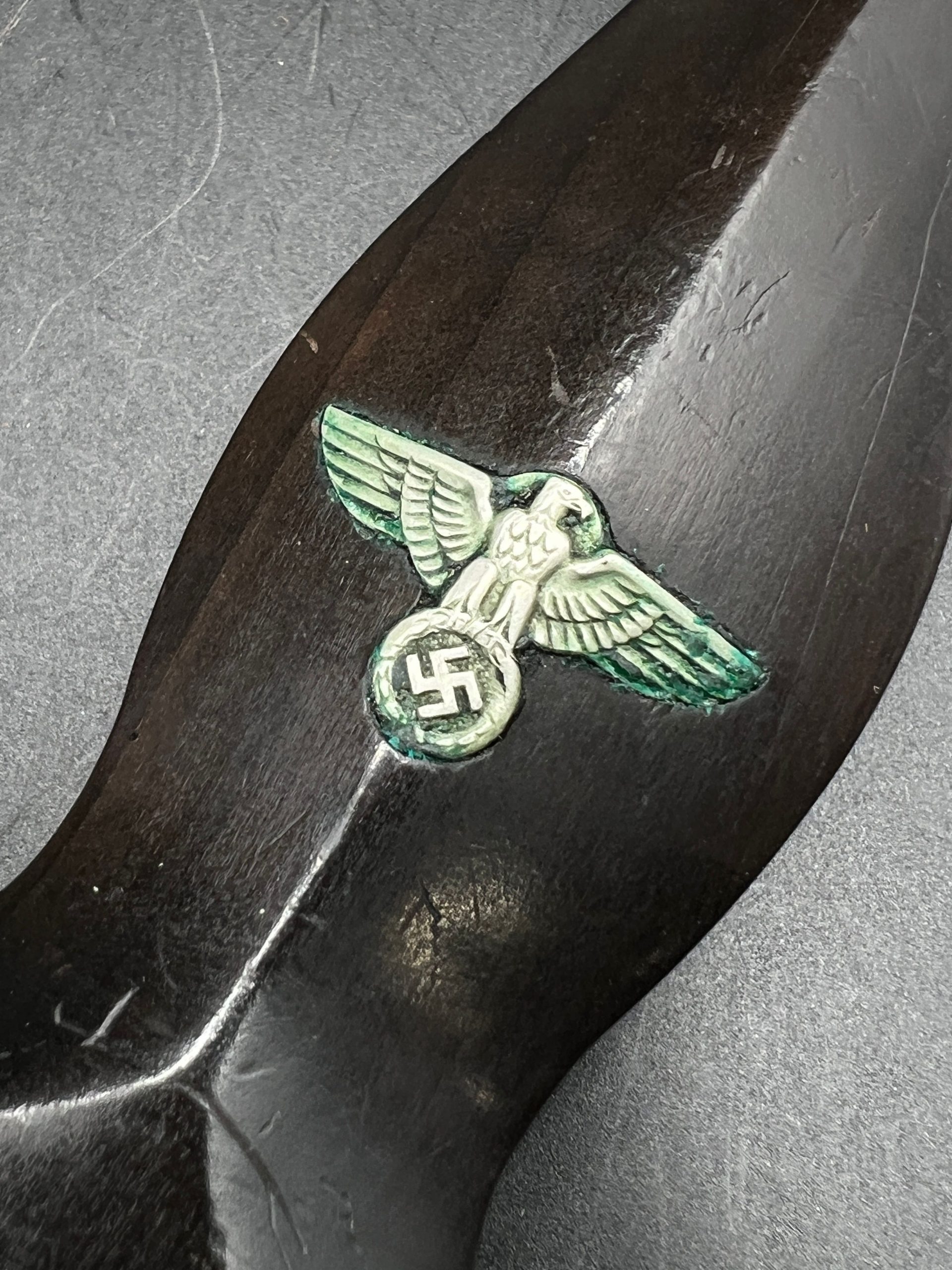
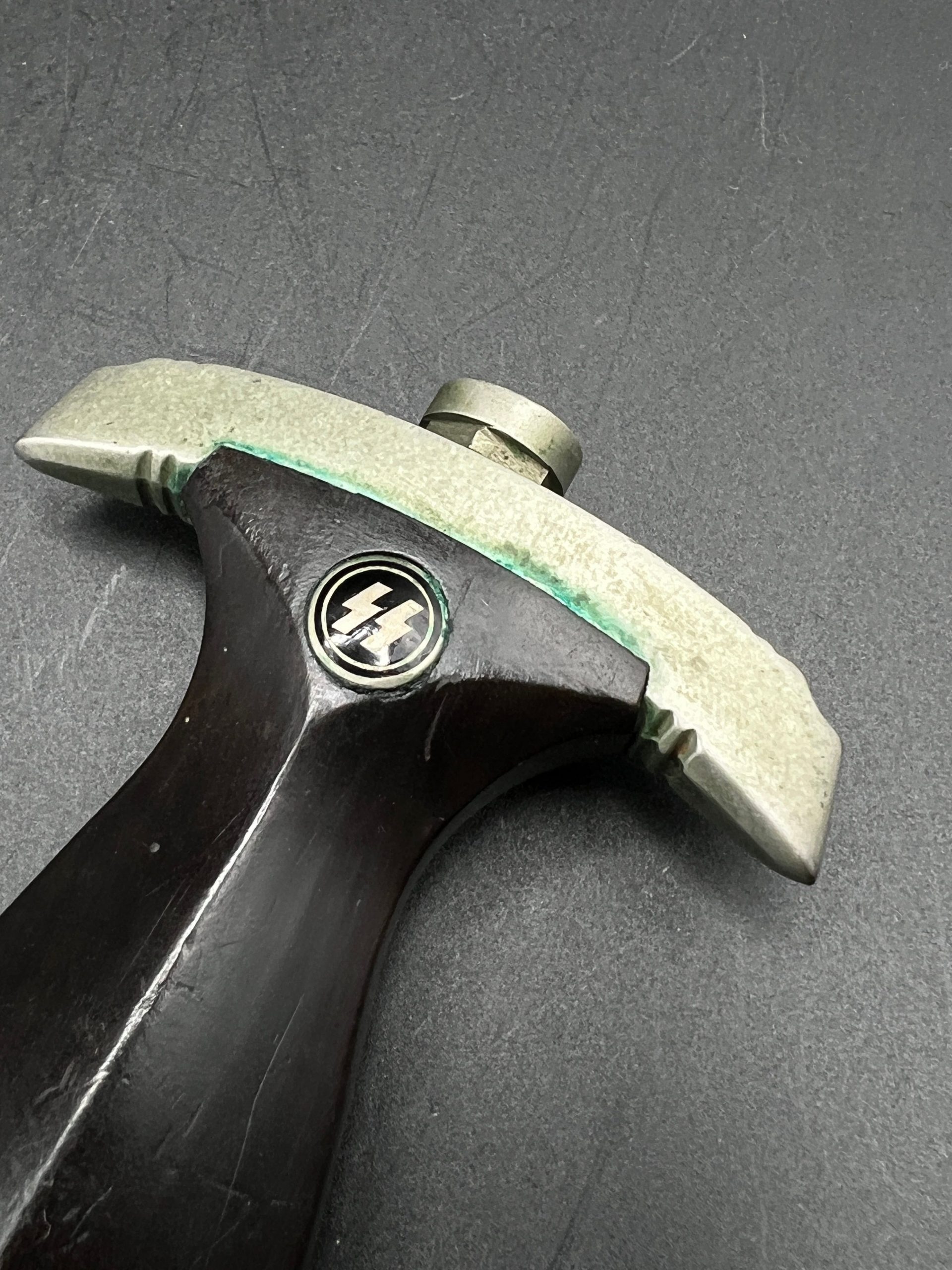
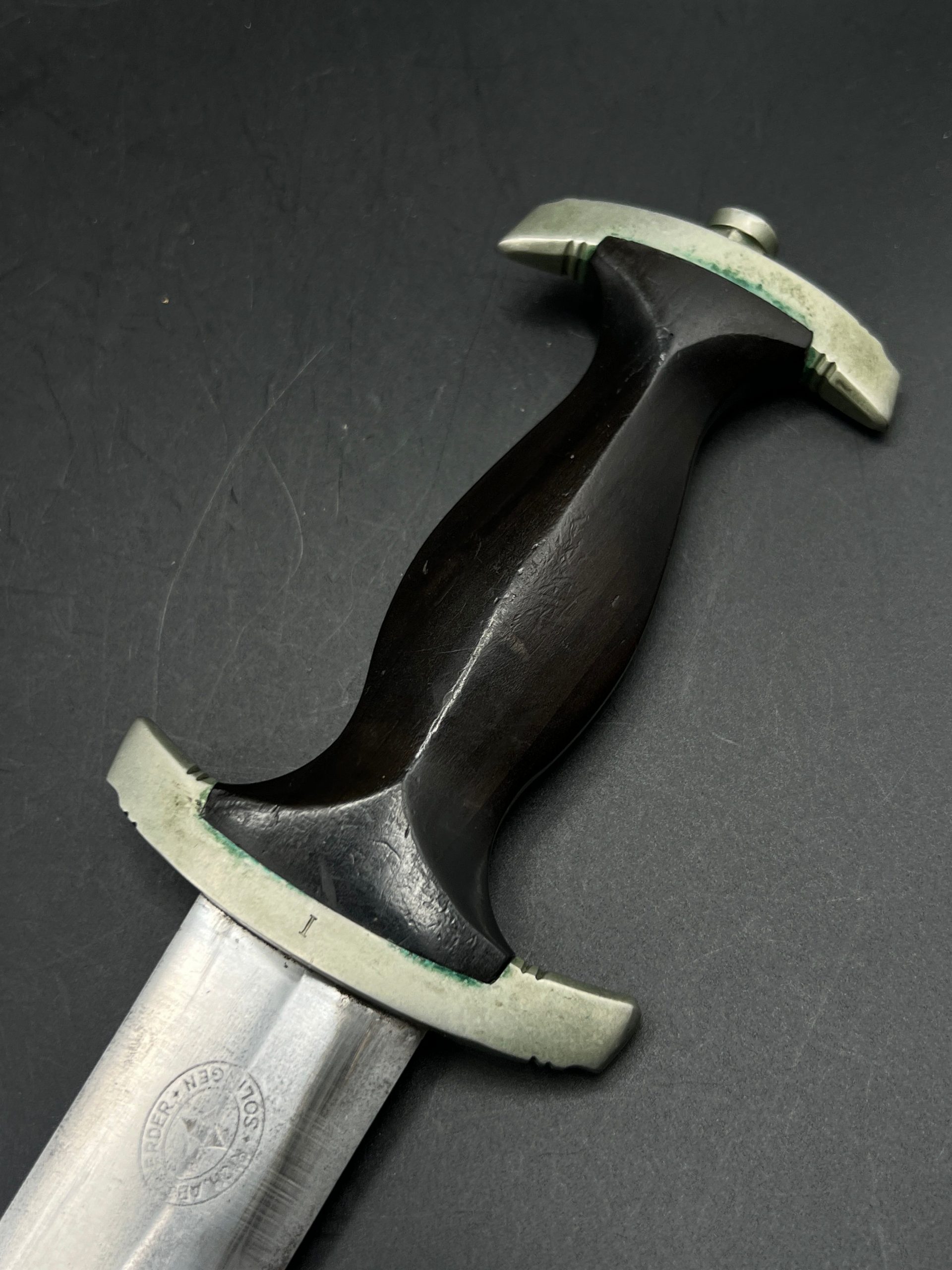
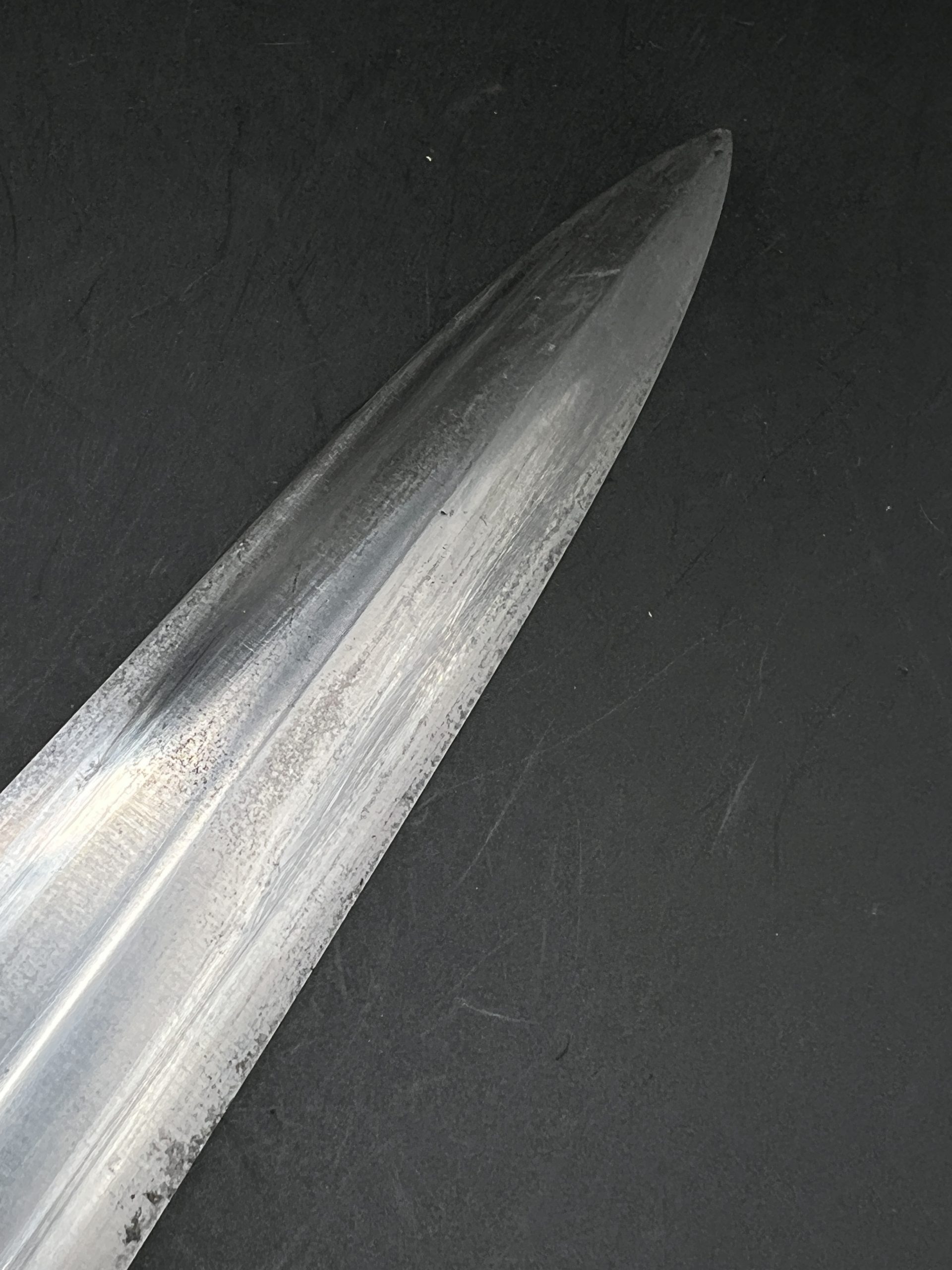
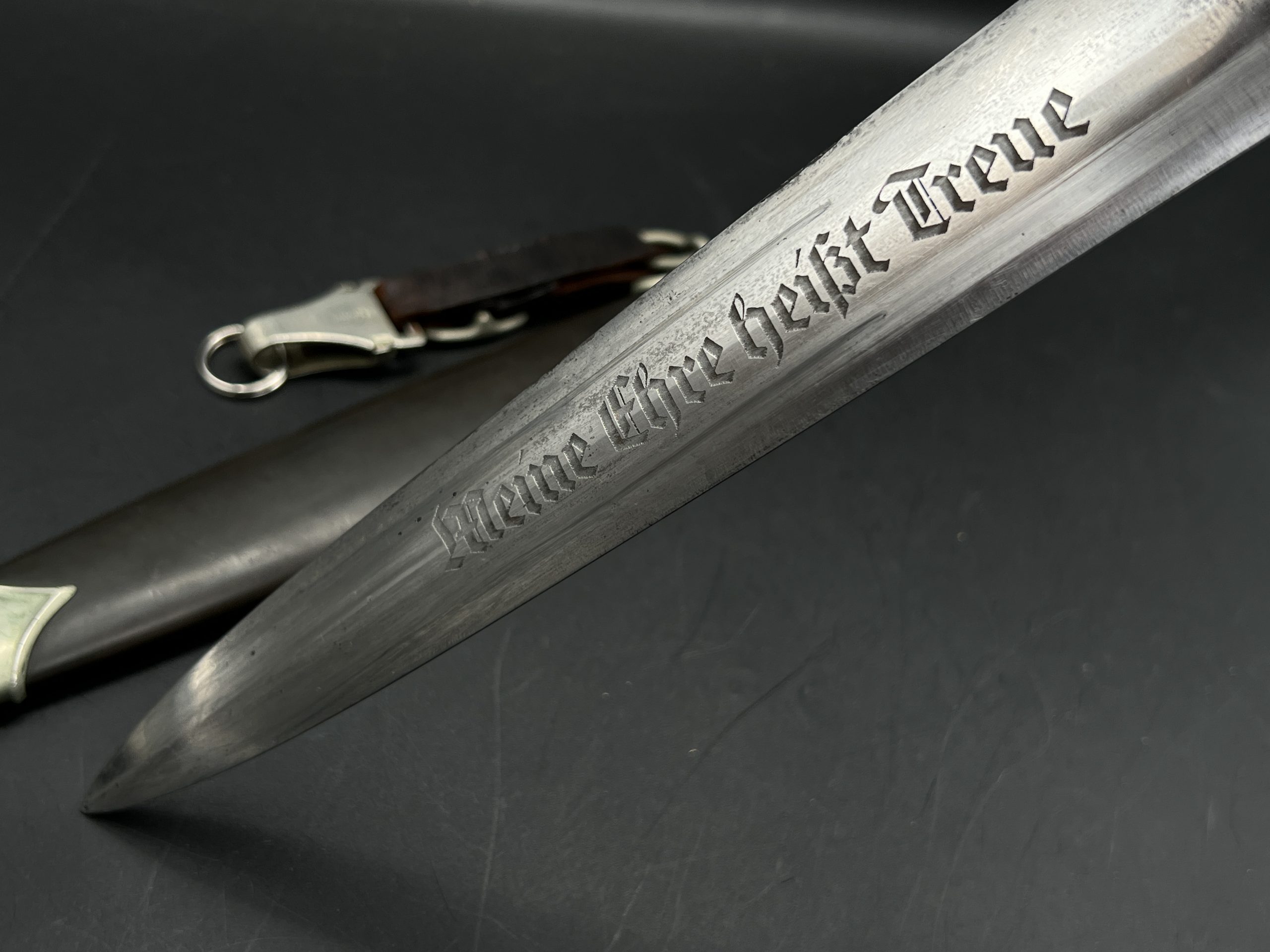
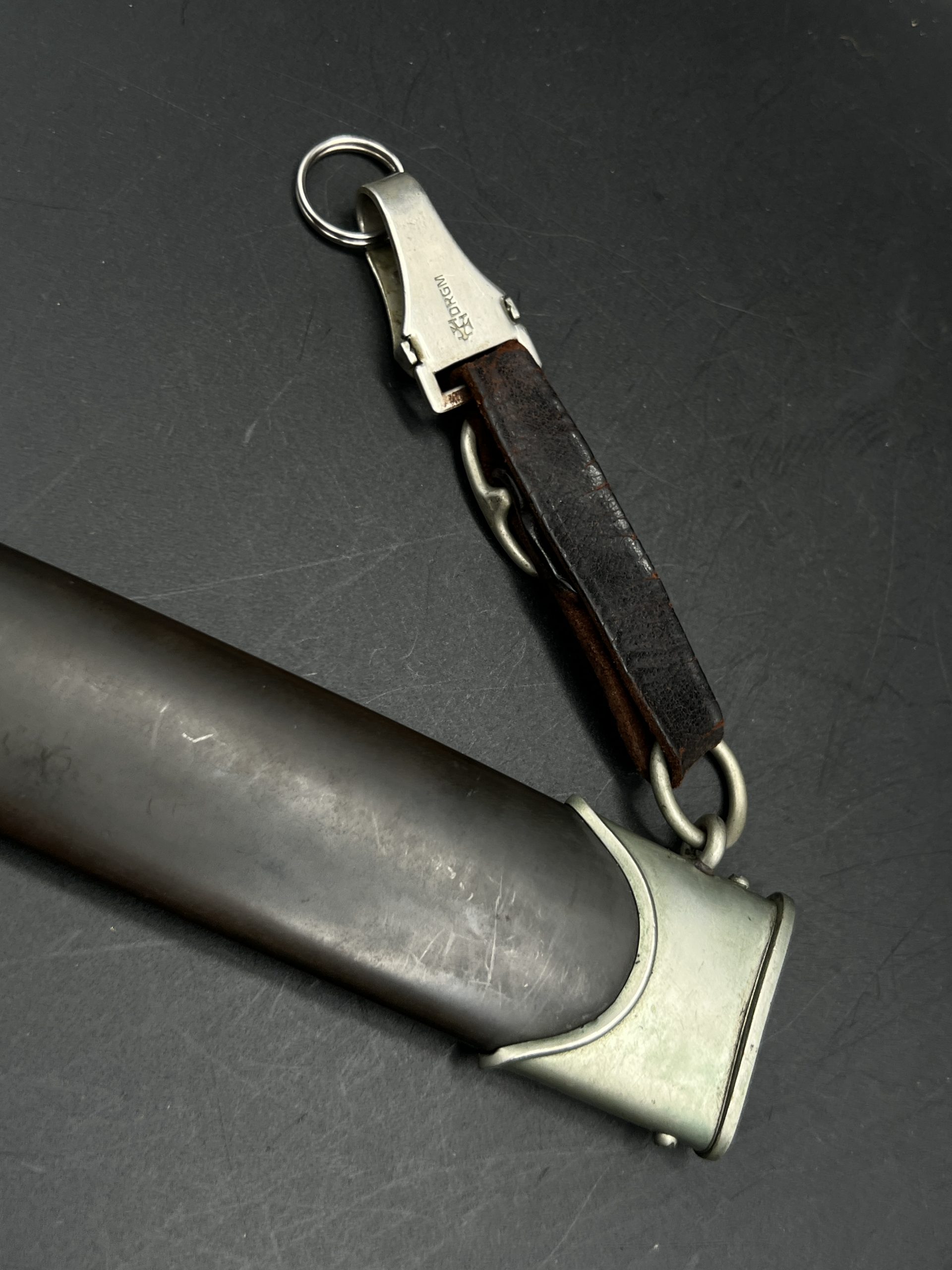
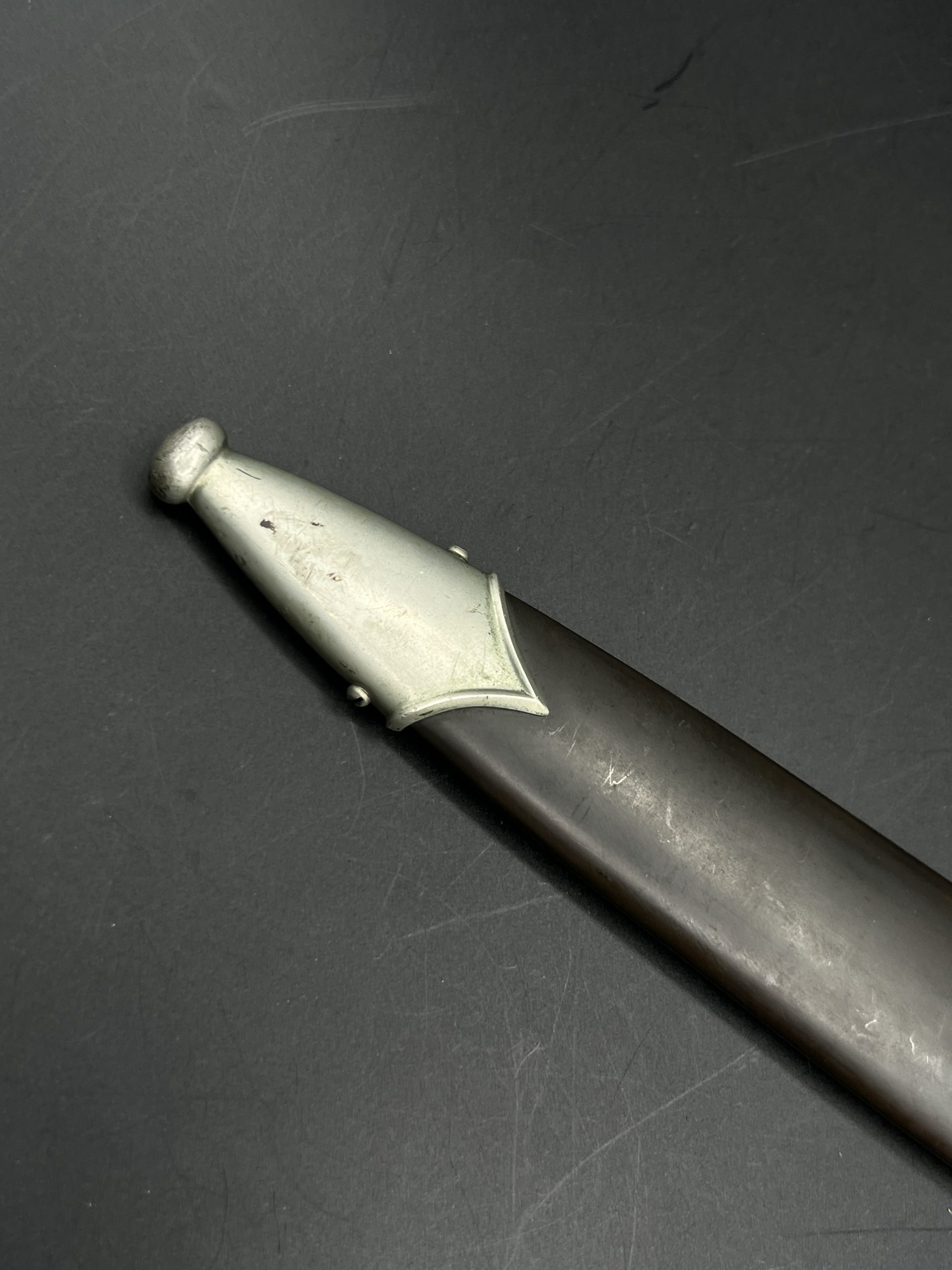
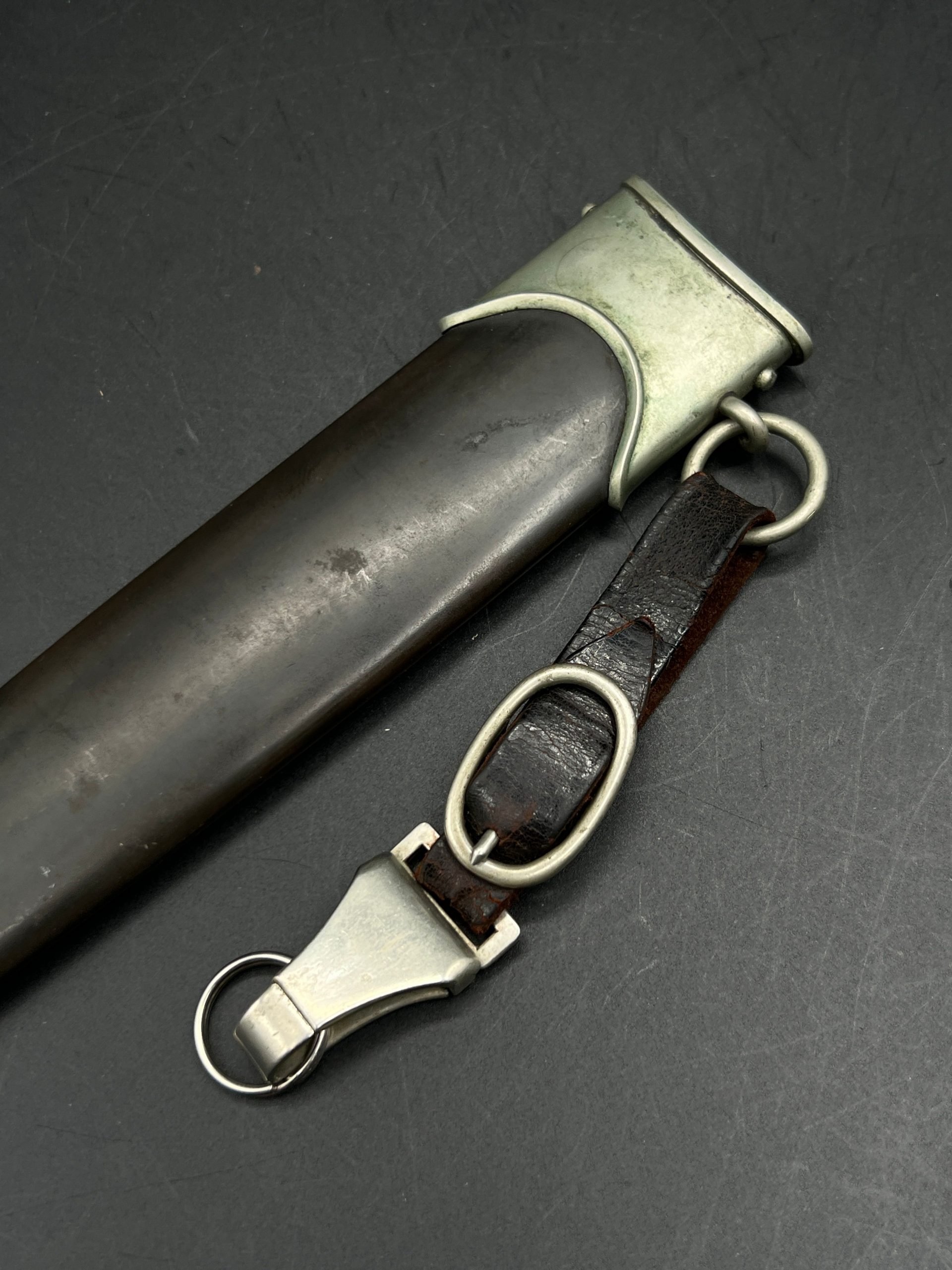
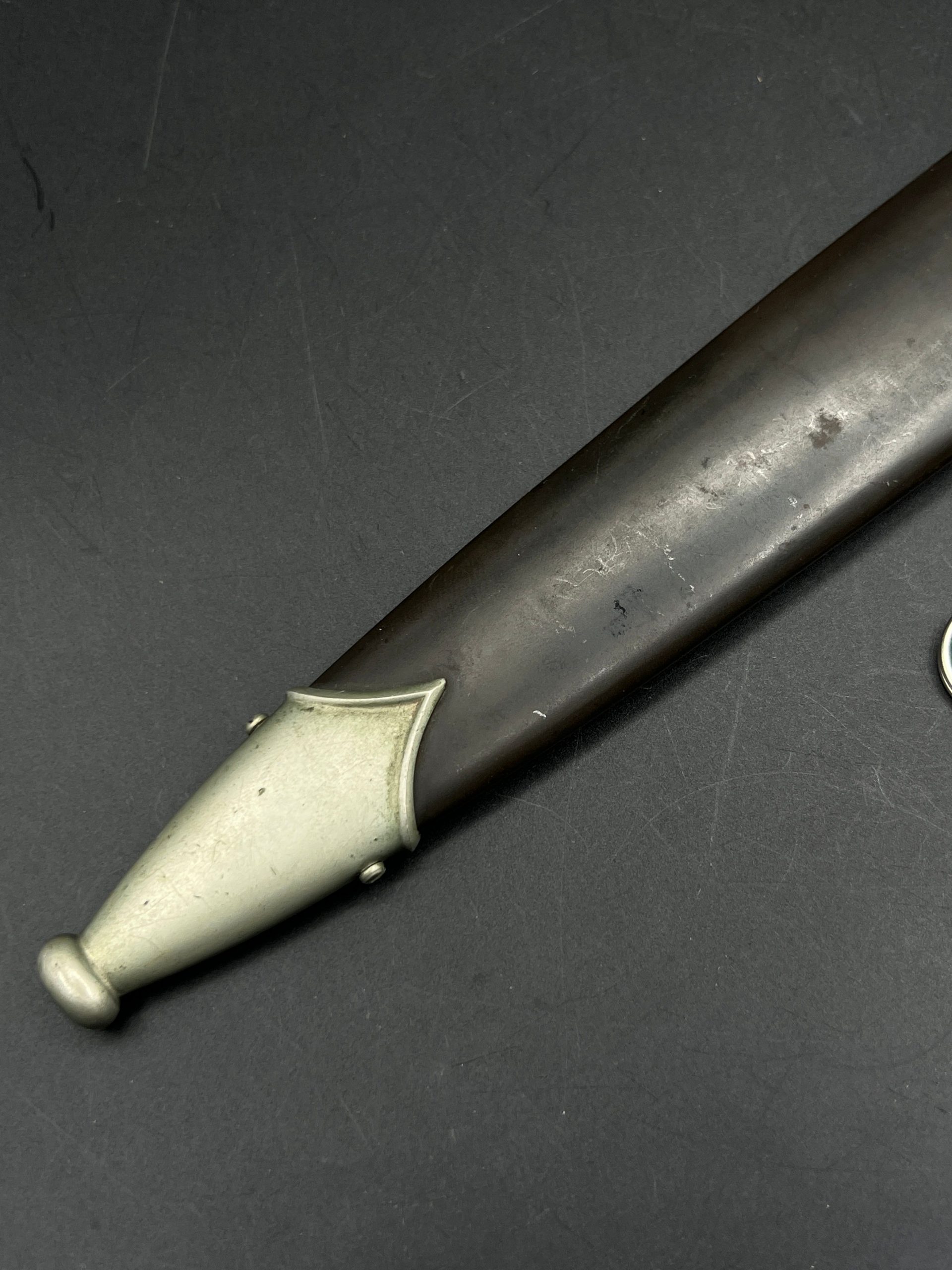
The official Schutzstaffel edged weapon pattern, introduced in 1933, became the first SS dagger and one of the most recognizable symbols of this organization. The blade design derives from 16th-century Swiss daggers known as Holbein daggers, and visually bears considerable resemblance to the SA dagger, which was adopted at nearly the same time. The blade featured the motto “Meine Ehre heißt Treue” (“My Honor is Loyalty”), which became one of the principal symbols of the SS. In the early years of the organization, the dagger was regarded not merely as a uniform element and a mark of SS membership, but also as a personal edged weapon that the owner could use if necessary.
In 1934, a certain number of SS members were awarded honor daggers bearing a facsimile of Ernst Röhm’s signature and the dedication “In herzlicher Kameradschaft” (“In Heartfelt Comradeship”) on the reverse of the blade. Following the “Night of the Long Knives” and the elimination of the SA leadership in the summer of 1934, Röhm’s name became undesirable, and an order was issued to remove his dedication from the award daggers. Surviving examples display various methods of such removal, ranging from complete grinding of the entire inscription to partial removal of only Röhm’s facsimile. Of particular interest are the so-called “Lazy Röhms,” on which Röhm’s name was only partially removed or essentially scratched out, leaving a significant portion of the original dedication visible. An intermediate variant also exists: Röhm’s facsimile is completely removed, yet the text “In herzlicher Kameradschaft” remains untouched. Such removal allowed the direct connection to Röhm to be eliminated while preserving visible evidence of the owner’s original award. The traces of removal in this case do not constitute a blade defect; rather, they represent an important historical and attributional feature. All else being equal, examples with completely removed dedications are typically valued at the level of ordinary early SS daggers, whereas pieces retaining elements of the dedication hold greater collector interest. “Lazy Röhms” are especially prized, with the degree of preservation of the original inscription being significant. Examples with Röhm’s facsimile completely removed but the dedication text preserved occupy an intermediate position.
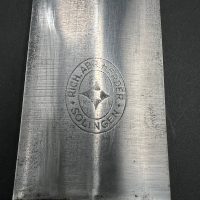
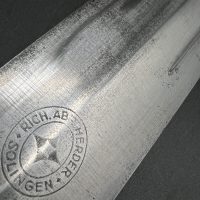
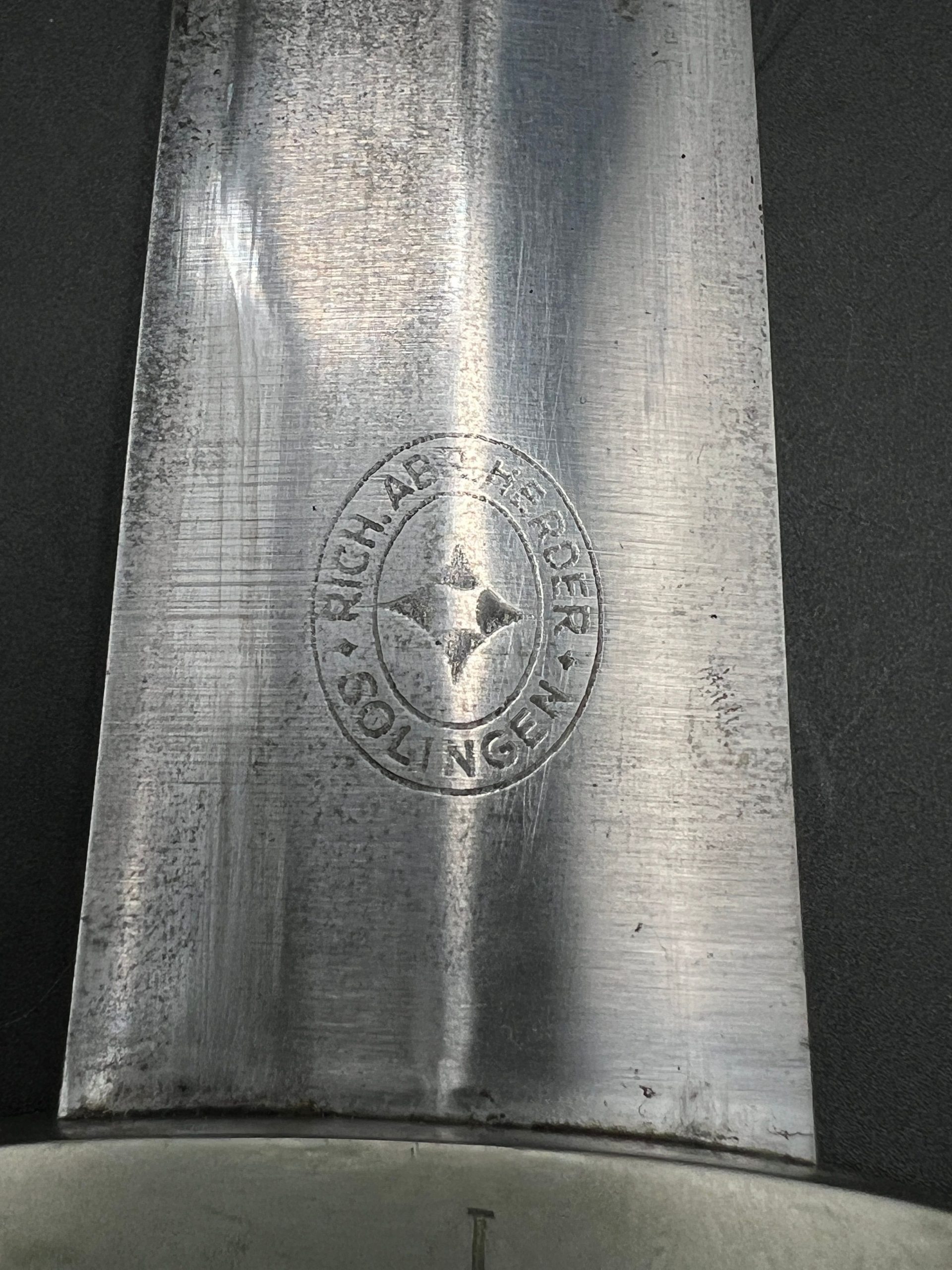
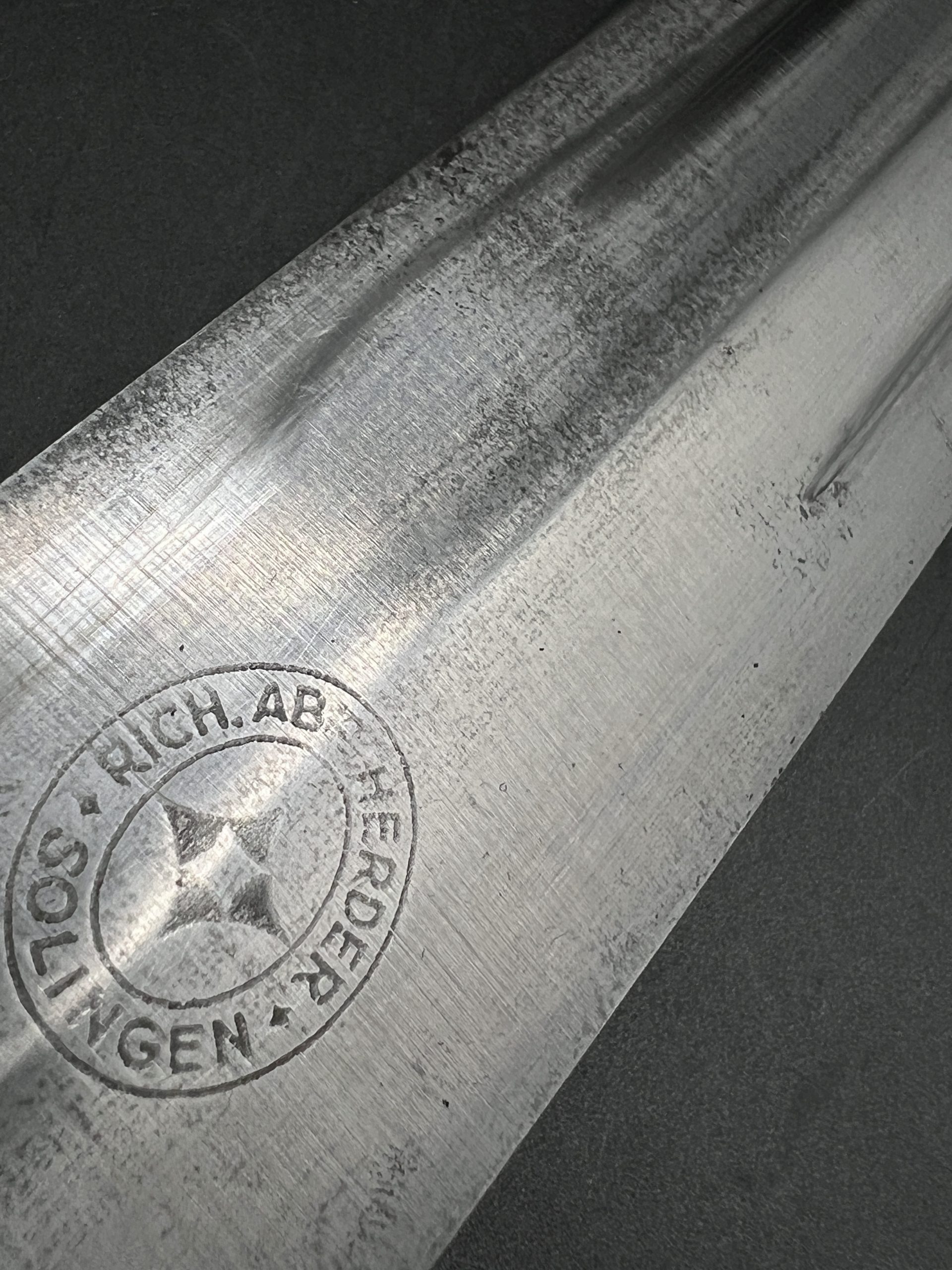
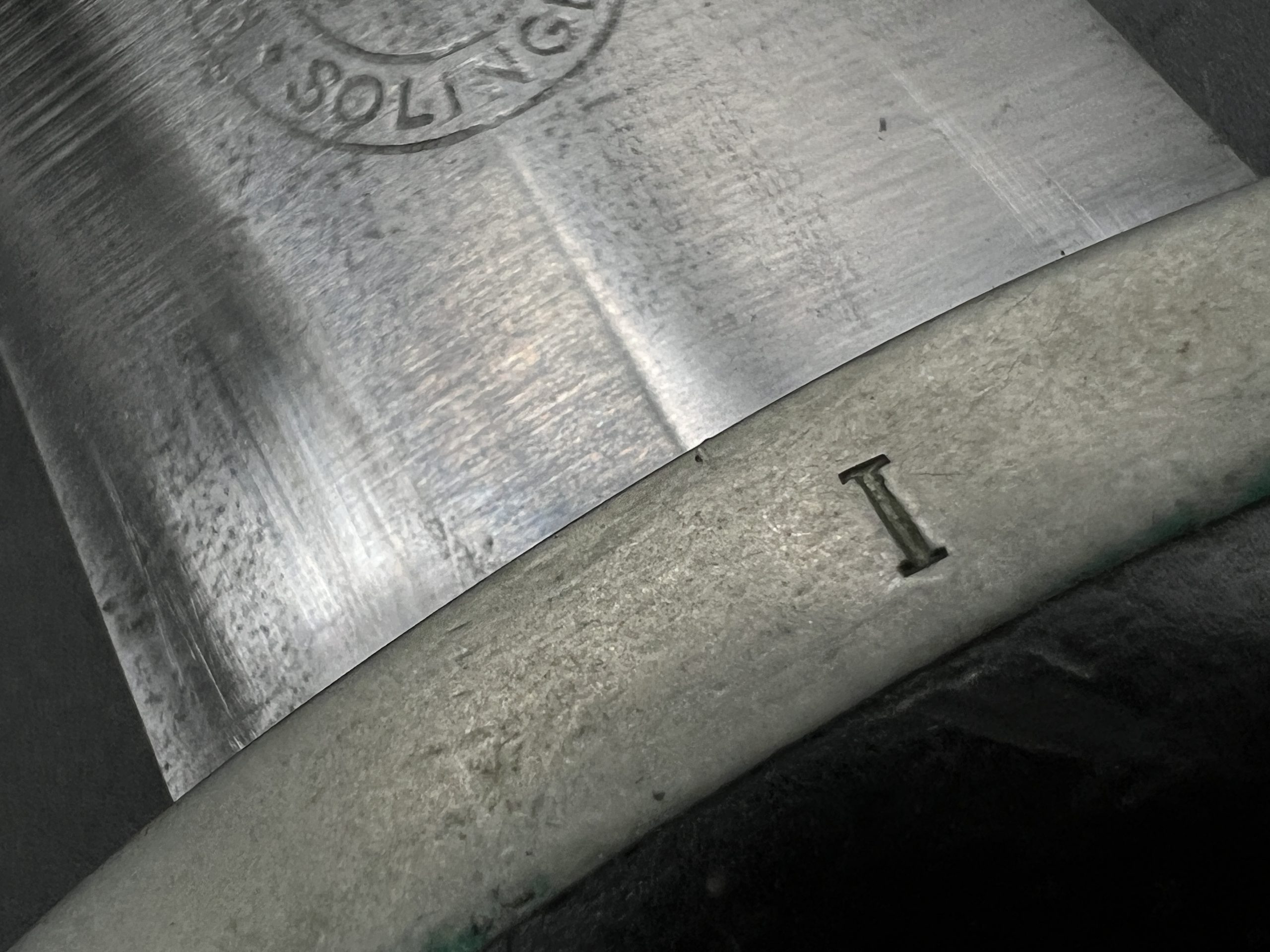
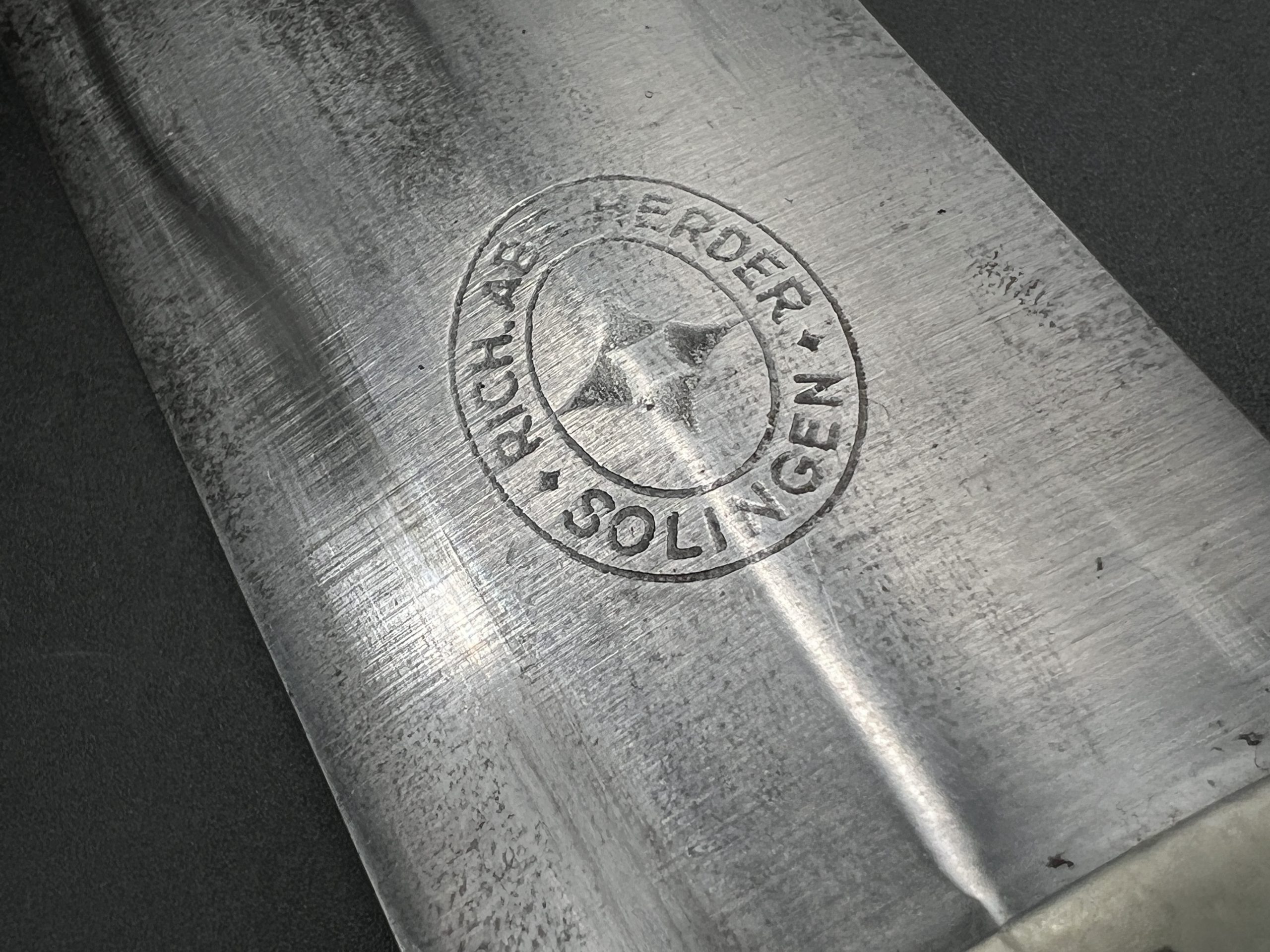
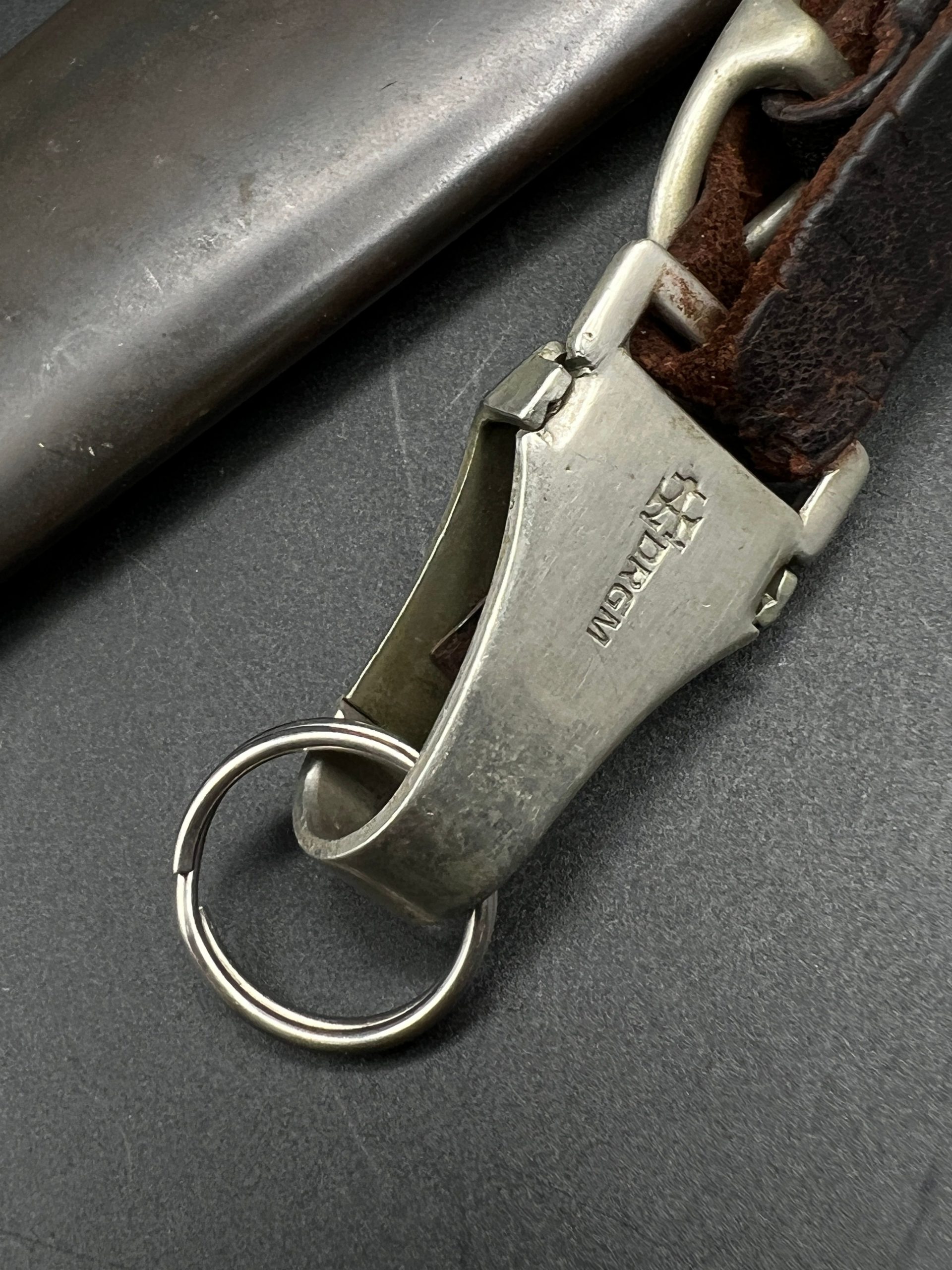
The firm Richard Herder of Solingen was one of the edged weapon manufacturers for Third Reich organizations and participated in the production of SA daggers as early as 1934. This is confirmed, in particular, by surviving early Richard Herder daggers bearing Ernst Röhm’s dedication, as well as examples on which this inscription was subsequently officially removed following the events of summer 1934. Thus, Richard Herder belongs to the manufacturers whose participation in SA dagger production is documented from the very earliest period of their manufacture.