
Auction History
| Auction started |


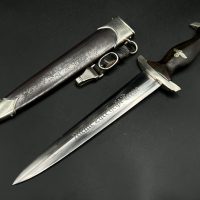
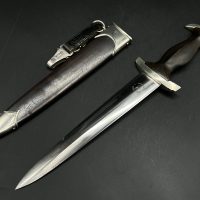
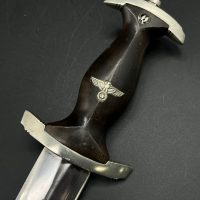
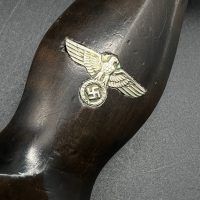
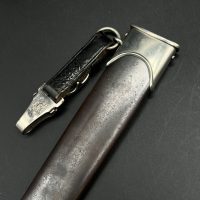
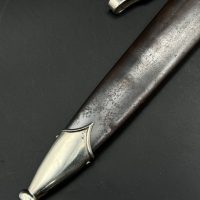
Starting bid: $ 6,725
Auction ends: October 1, 2026 2:00 PM
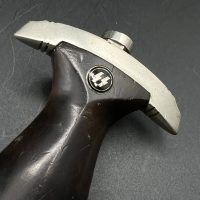
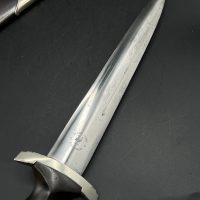
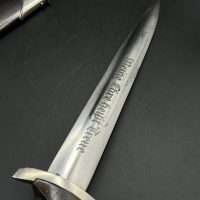
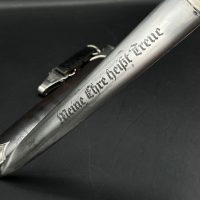
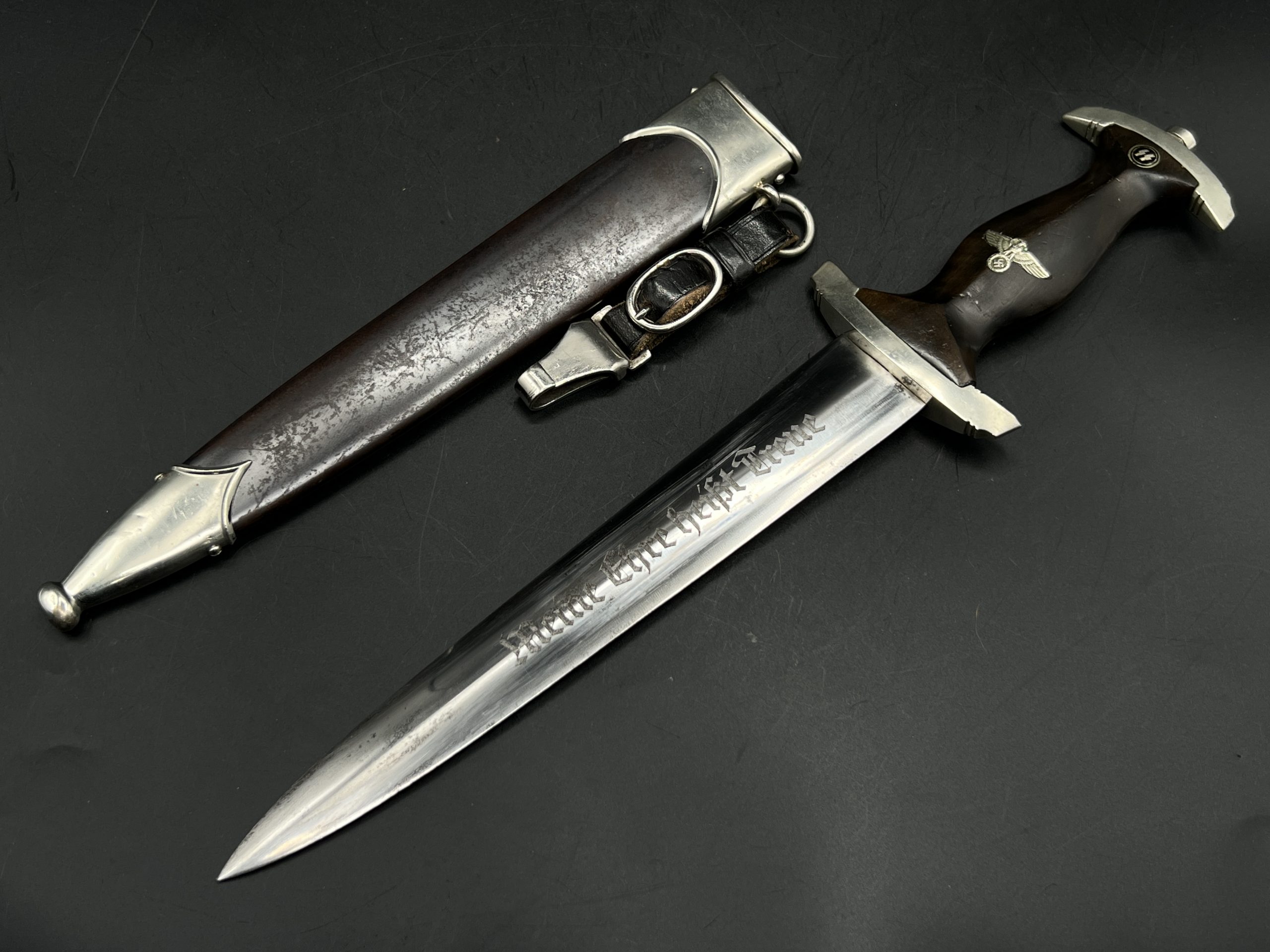
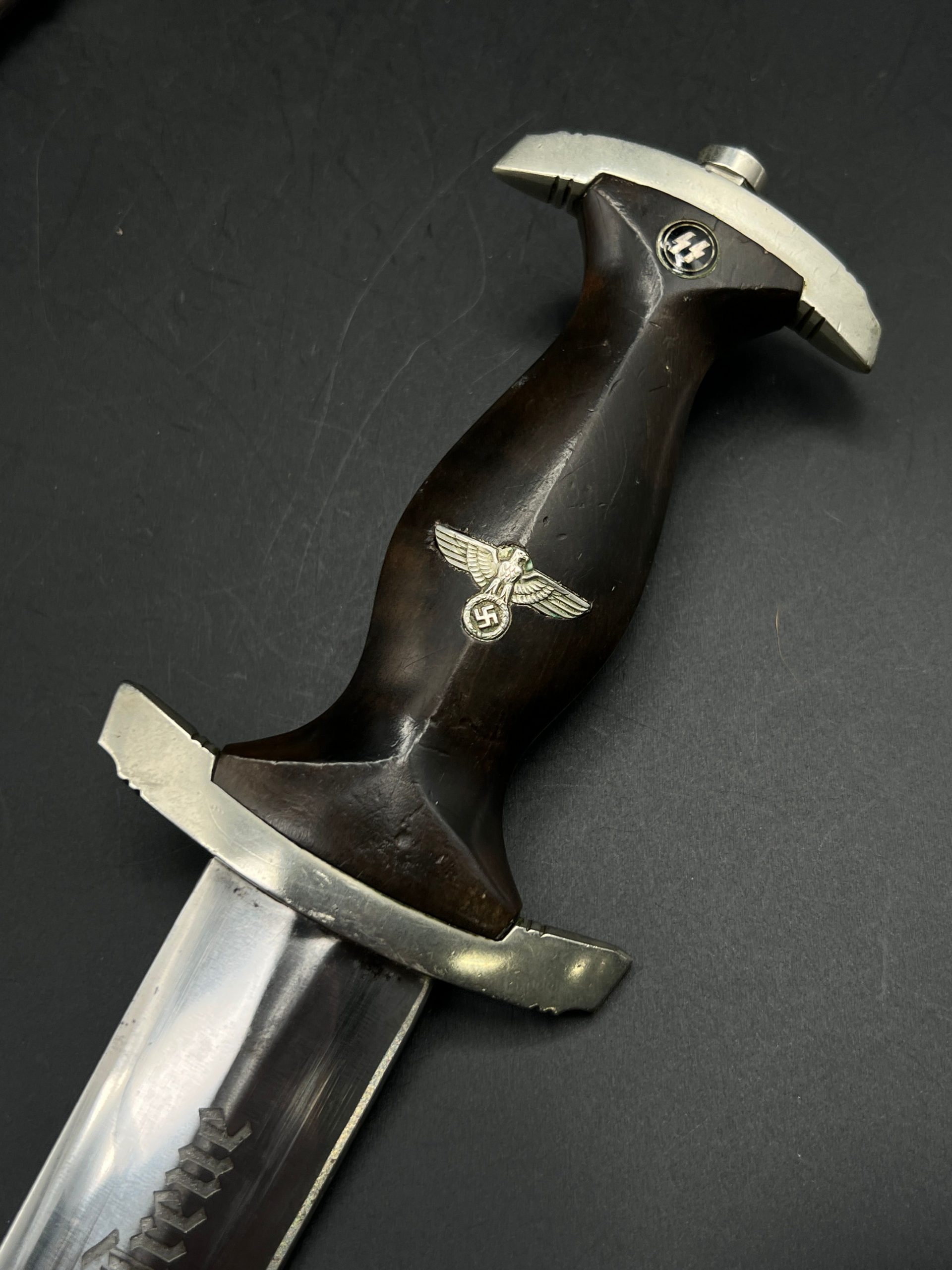
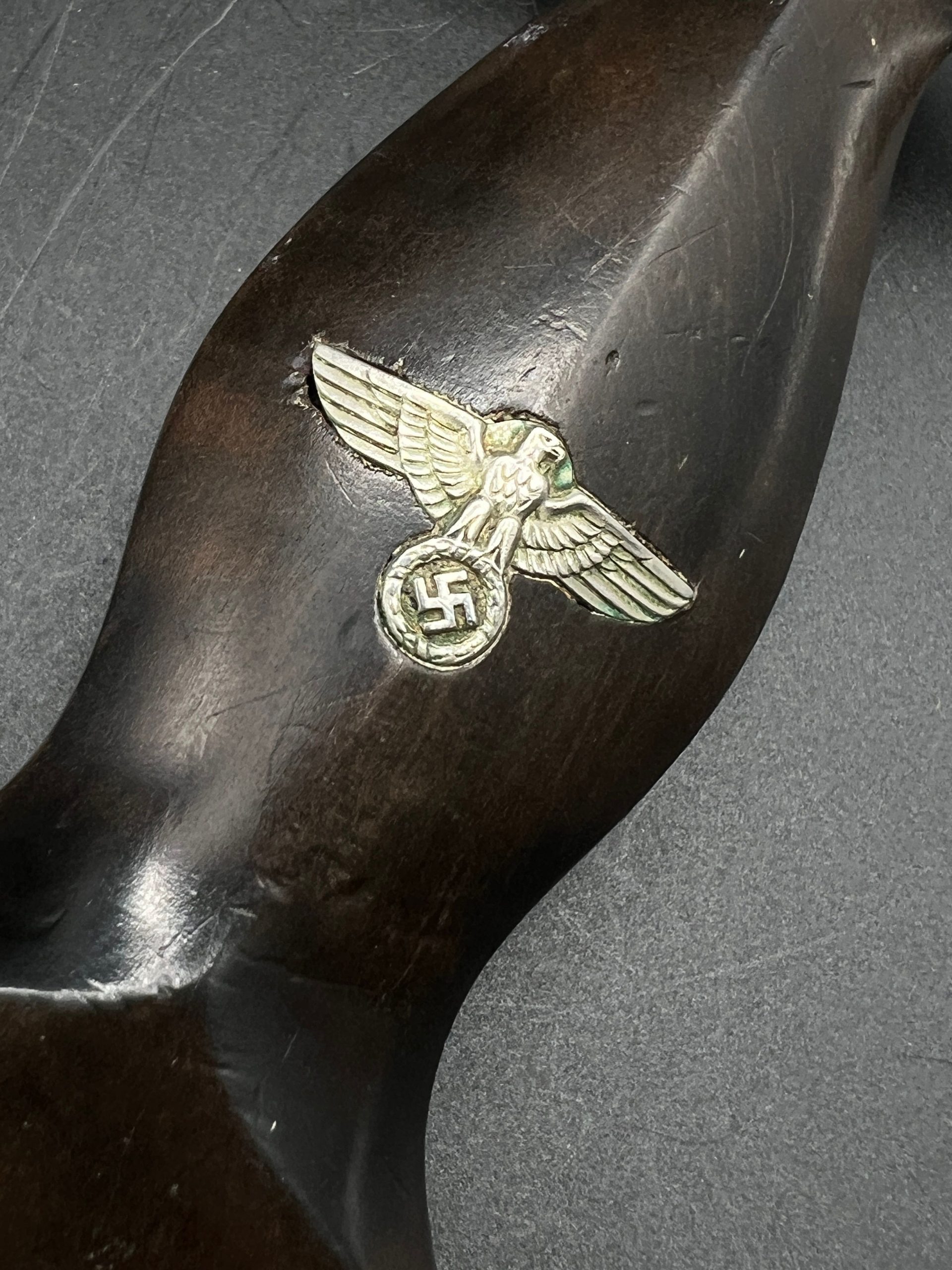
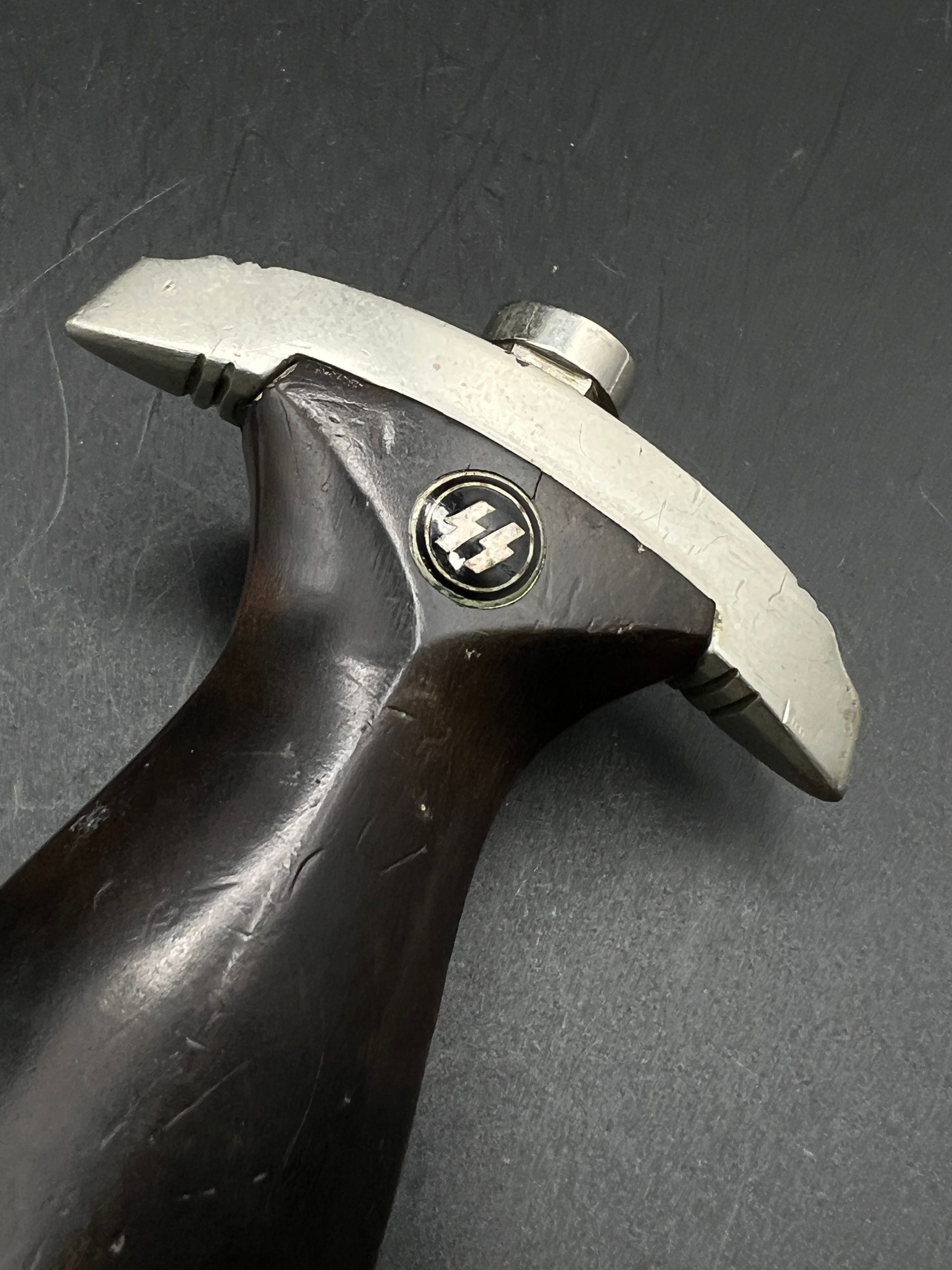
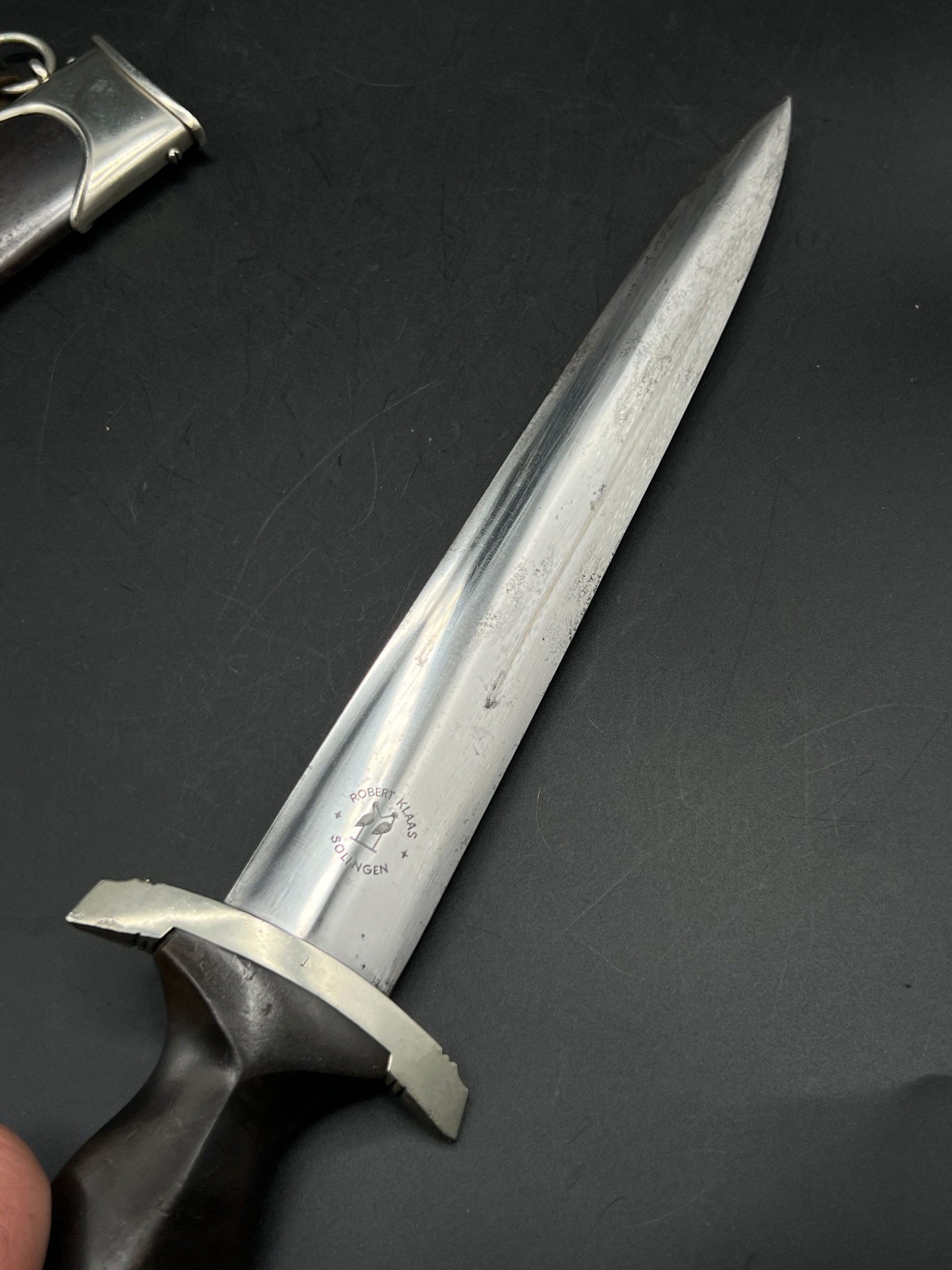
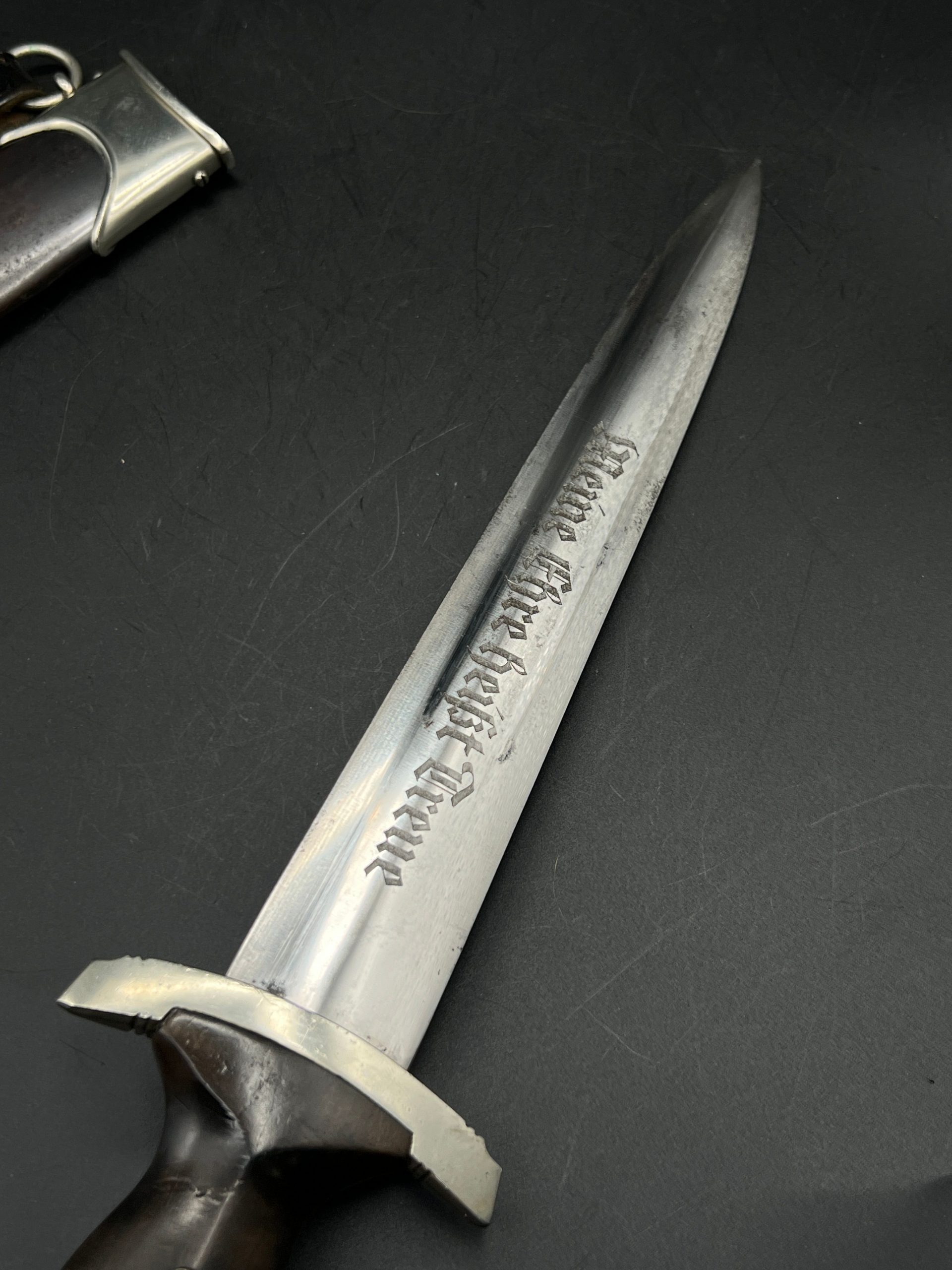
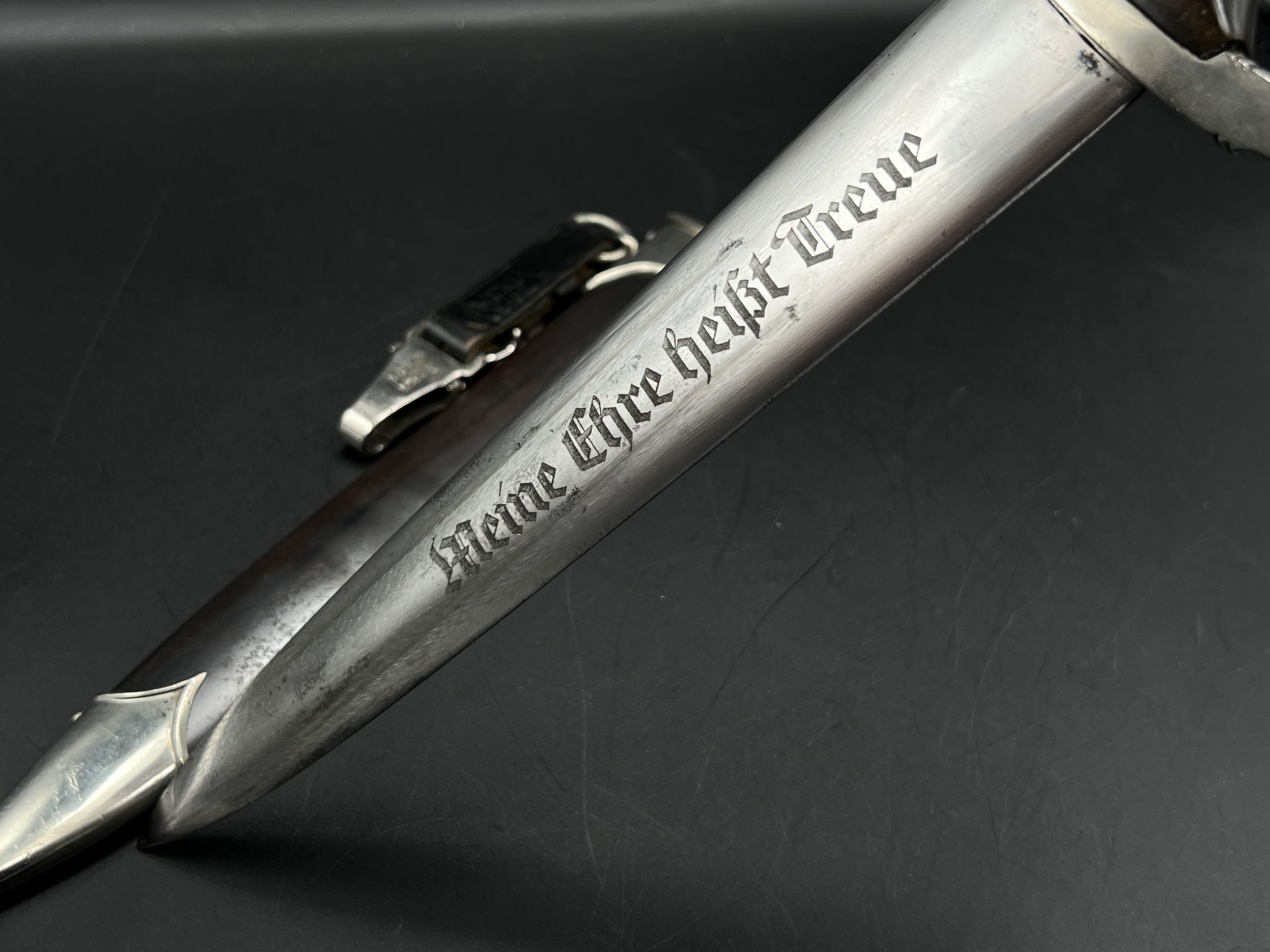
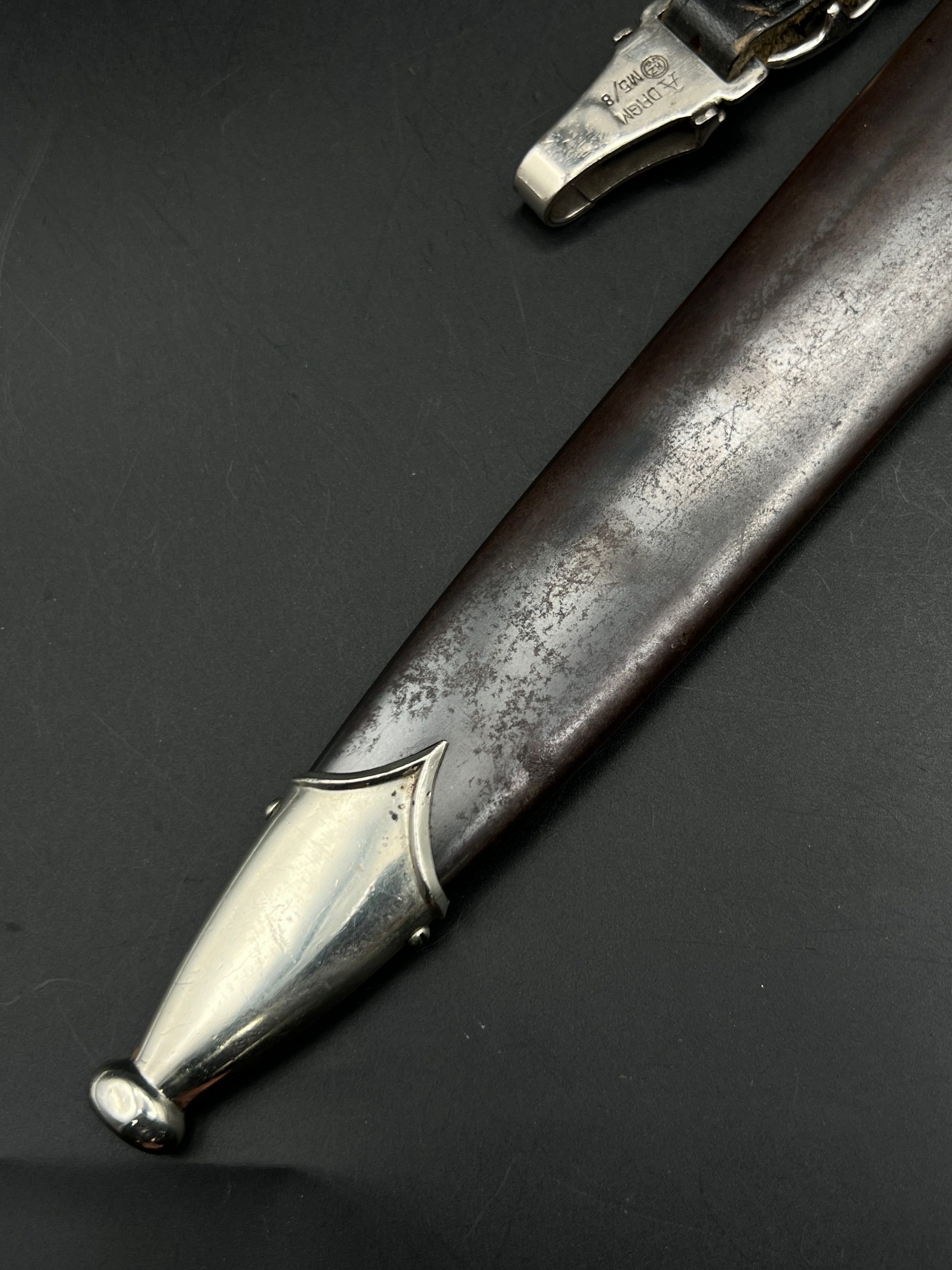
The first official cold weapon of the Schutzstaffel, introduced in 1933, became one of the most recognizable symbols of the organization. The dagger’s design traces back to sixteenth-century Swiss daggers known as Holbein daggers and closely resembles the SA dagger adopted at approximately the same time. The blade bears the motto ‘Meine Ehre heißt Treue’ (‘My honor is loyalty’), which became one of the principal symbols of the SS. In the organization’s early years, the dagger was regarded not only as an element of uniform and symbol of SS membership, but also as personal cold steel that the owner could use when necessary.
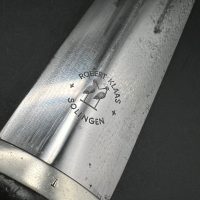
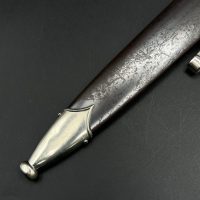
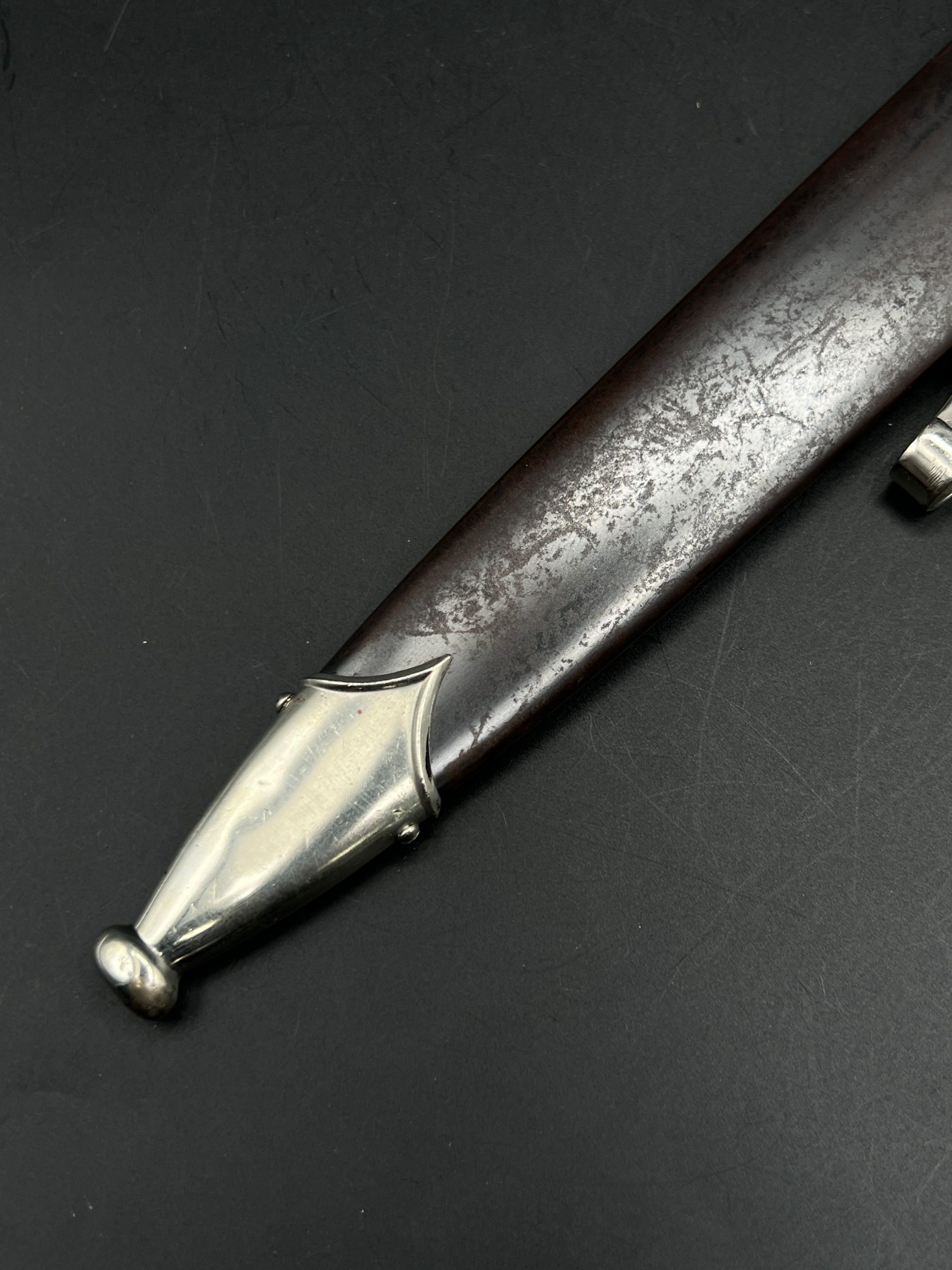
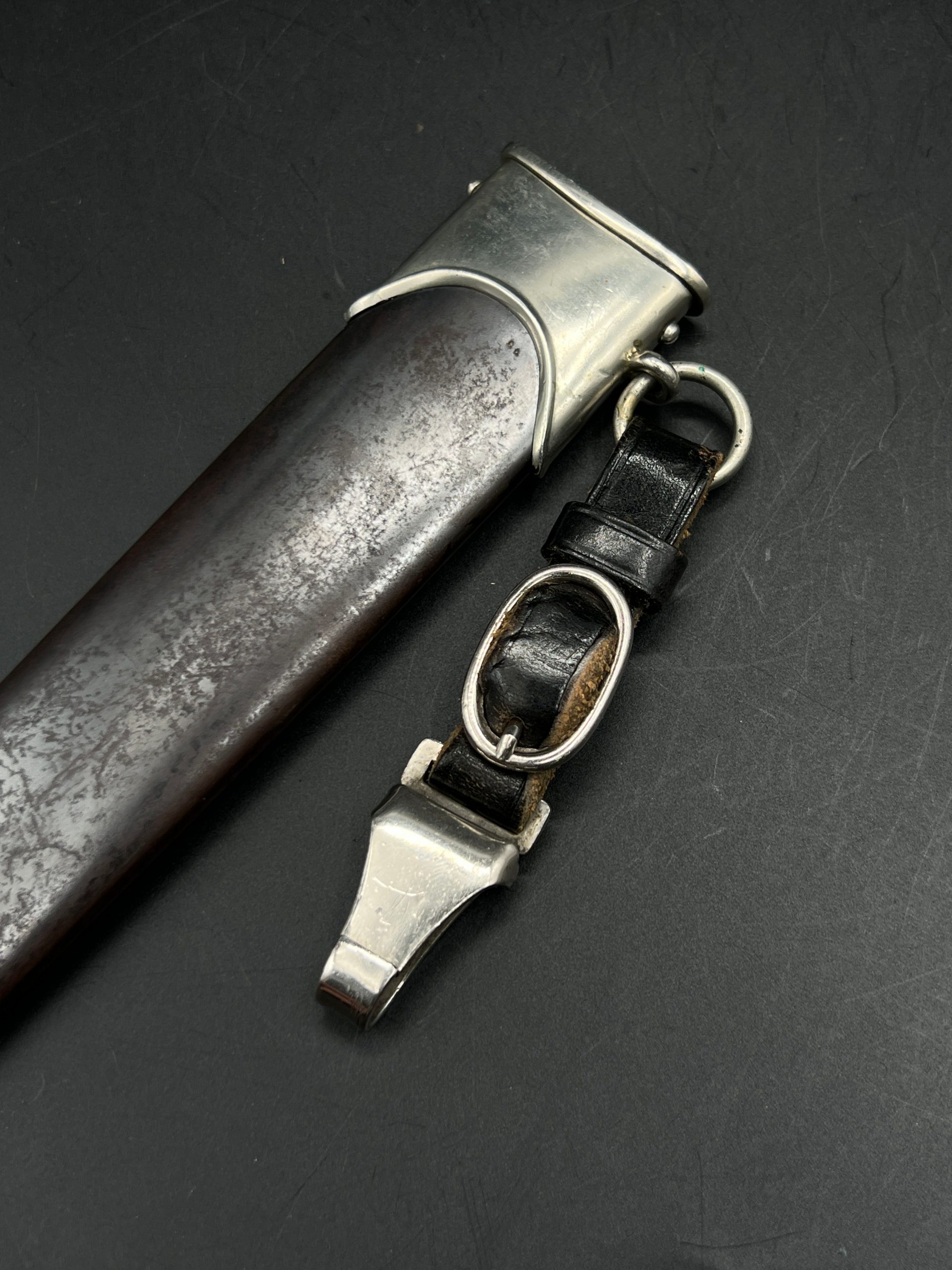
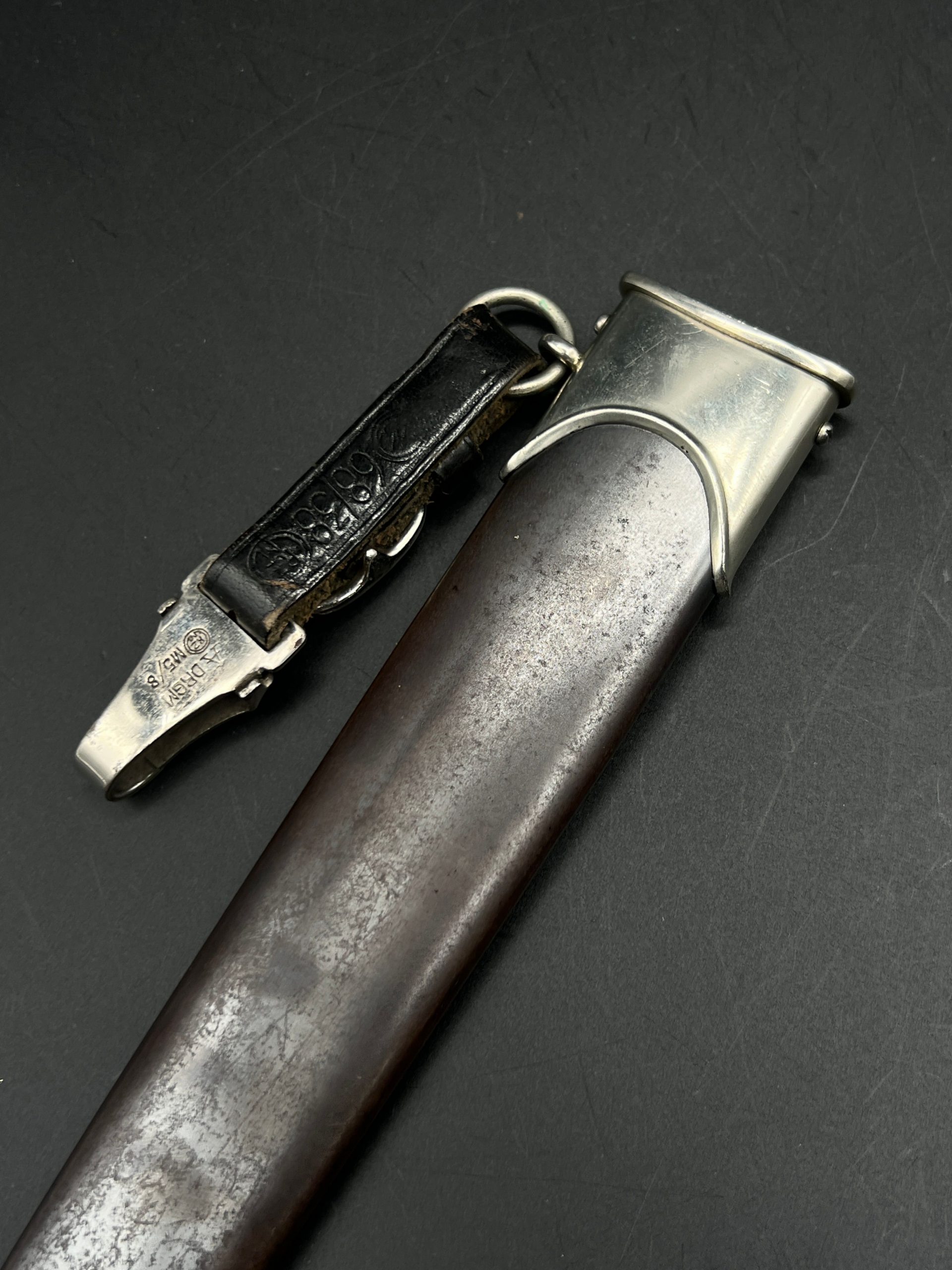
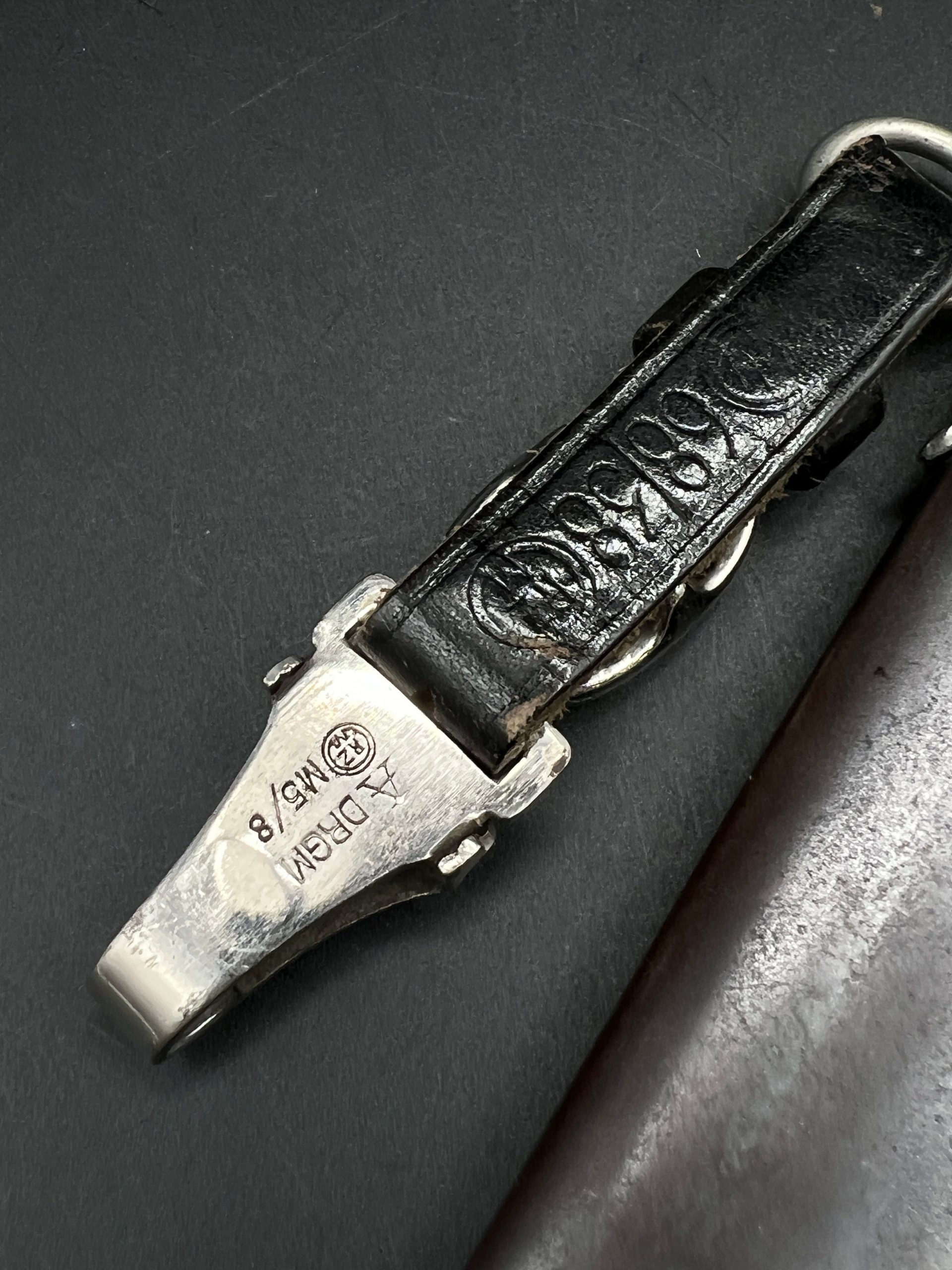
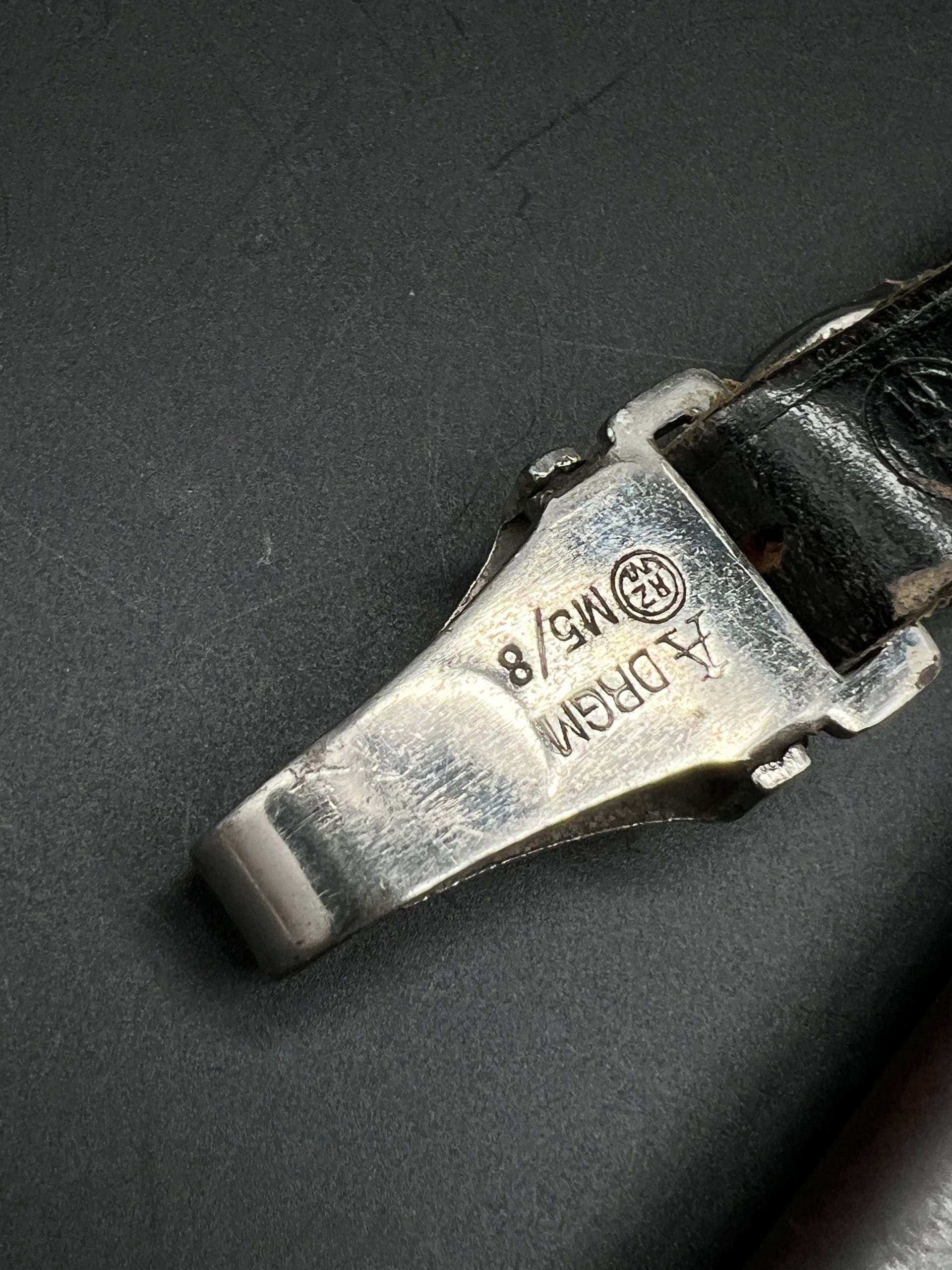
Early SS daggers produced before 1936 were distinguished by nickel-silver fittings on the hilt and scabbard, high manufacturing quality, and careful assembly of components. The scabbards typically featured an anodized finish, although original painted variants are also encountered. Blades most often bore maker’s marks with the manufacturer’s company name; early RZM stamps are sometimes present. From 1936 onward, the construction gradually simplified; zinc, aluminum, and steel scabbard fittings came into use, along with painted scabbards. Transitional stamps appeared bearing the manufacturer’s logo and RZM code, followed later by RZM markings alone. Early daggers were produced in smaller quantities and typically saw extended service wear, making mint and near-mint condition examples extremely rare. Minor chips to the hilt and signs of use are entirely normal for these pieces. Special attention should be paid to restorations and later assembly; should such interventions be present, they are separately noted in the item’s description.
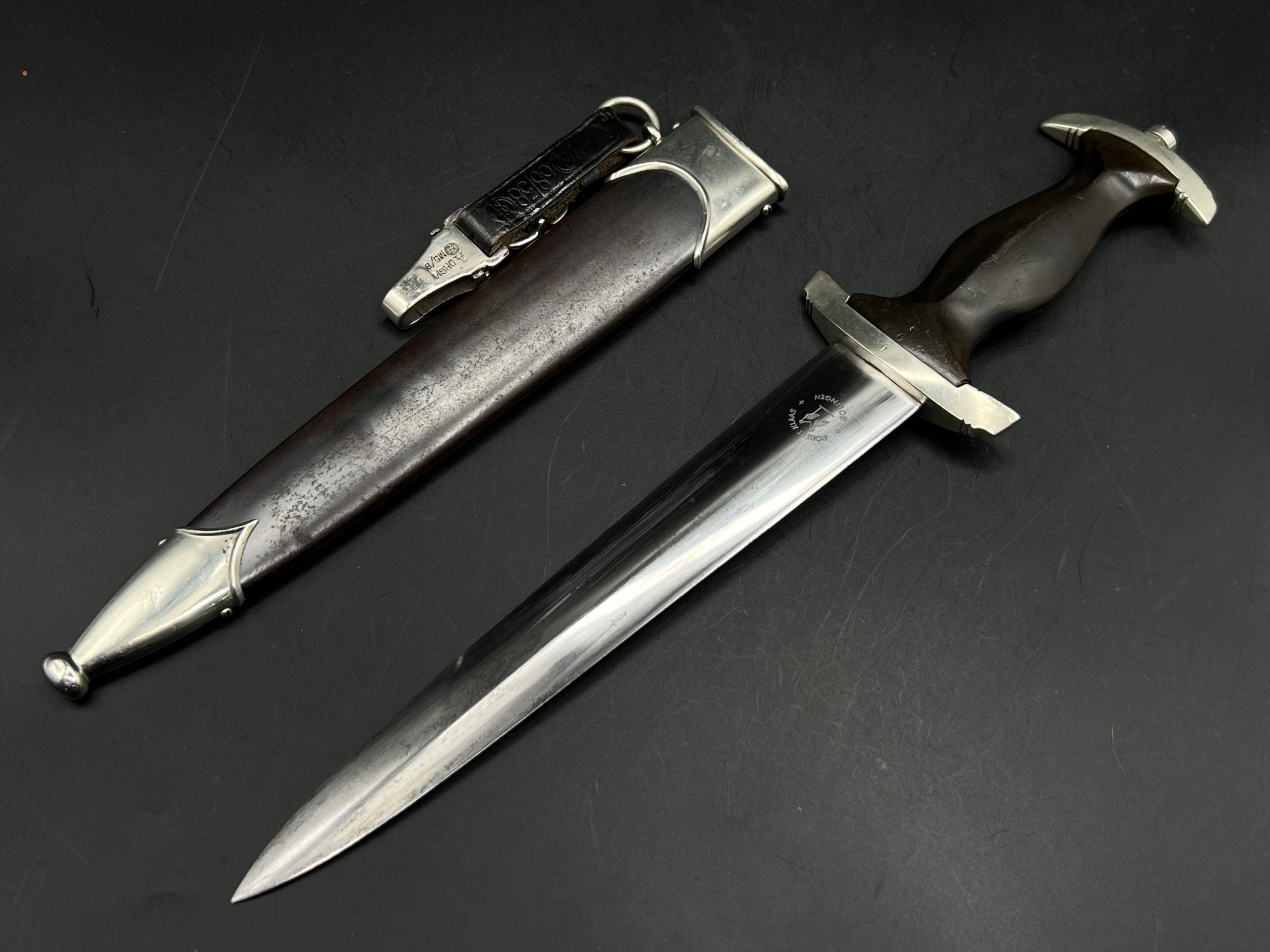
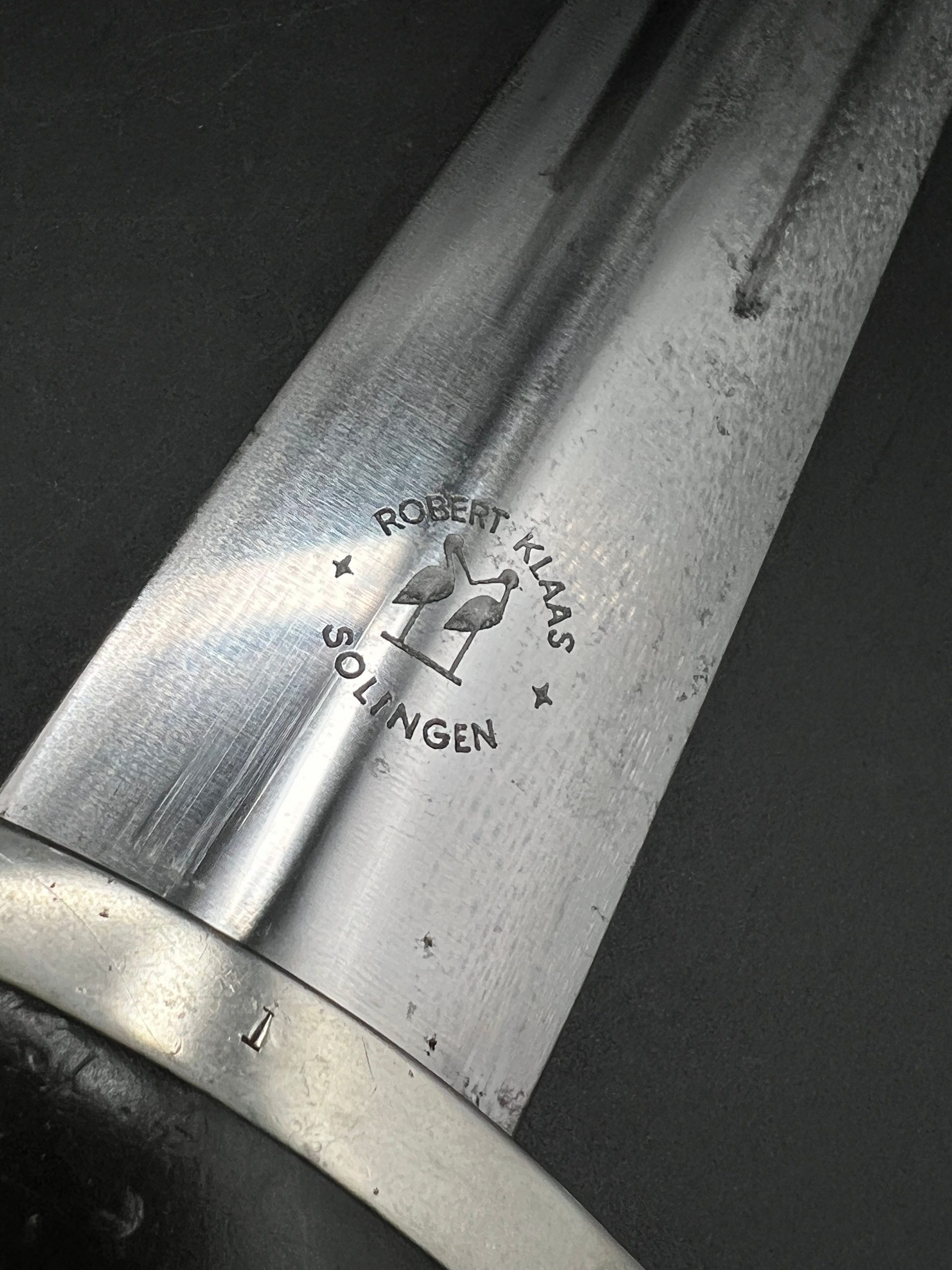
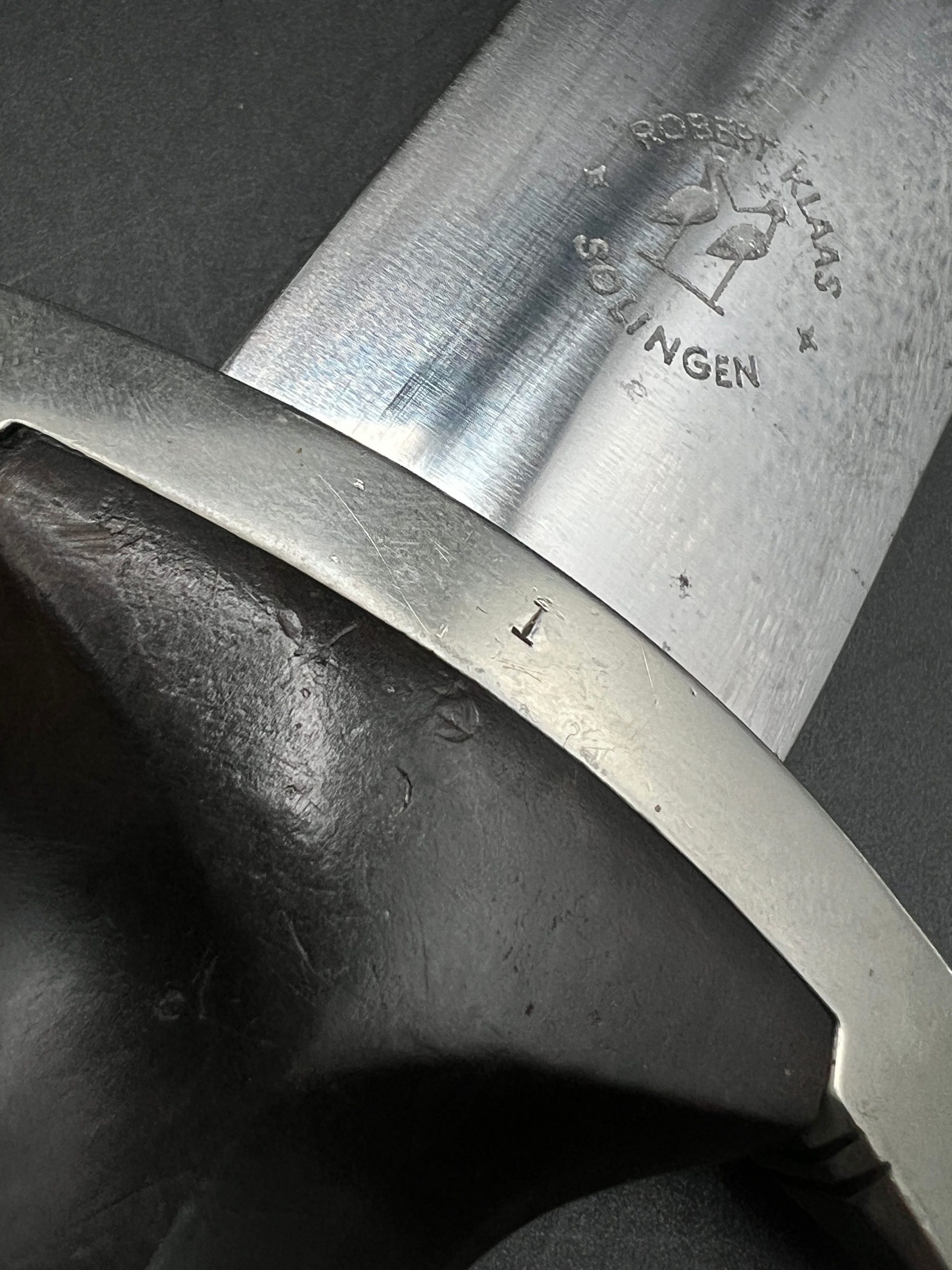
Robert Klaas ranks among the most sought-after manufacturers of German cold weapons by collectors. A characteristic feature of many Klaas products is their contrasting bluing and high-quality finishing, which has often allowed decorative elements to remain well preserved to the present day. The company operated in Solingen and produced parade and combat cold weapons, bayonets and components, and participated in the manufacture of experimental samples for military industry. In 1944, the production facilities of Robert Klaas, like much of Solingen’s weapons industry, suffered damage from Allied bombing.
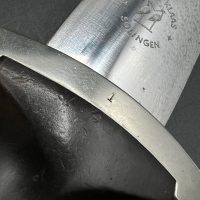
The stamp ‘I’ on the reverse of the lower crossguard of this early SS dagger indicates the SS distribution and inspection center in Munich (München). Such marking is characteristic of early daggers from the 1933–1935 period and represents an important feature of the original SS dagger acceptance and distribution system.
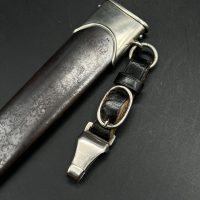
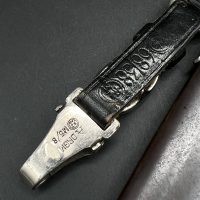
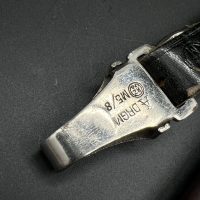
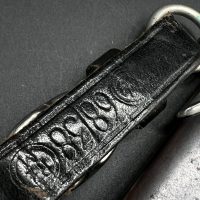
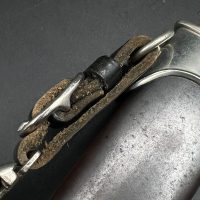
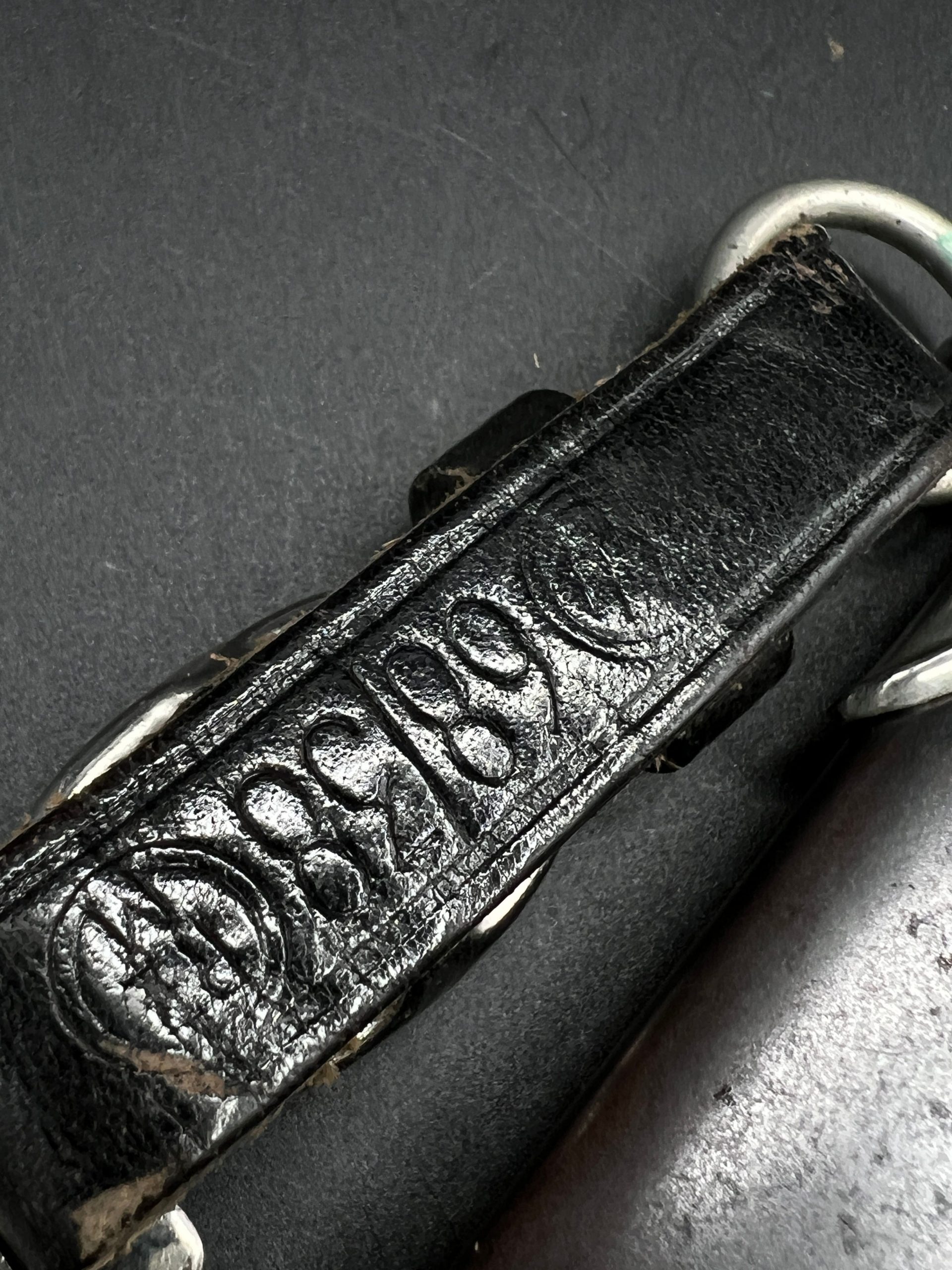
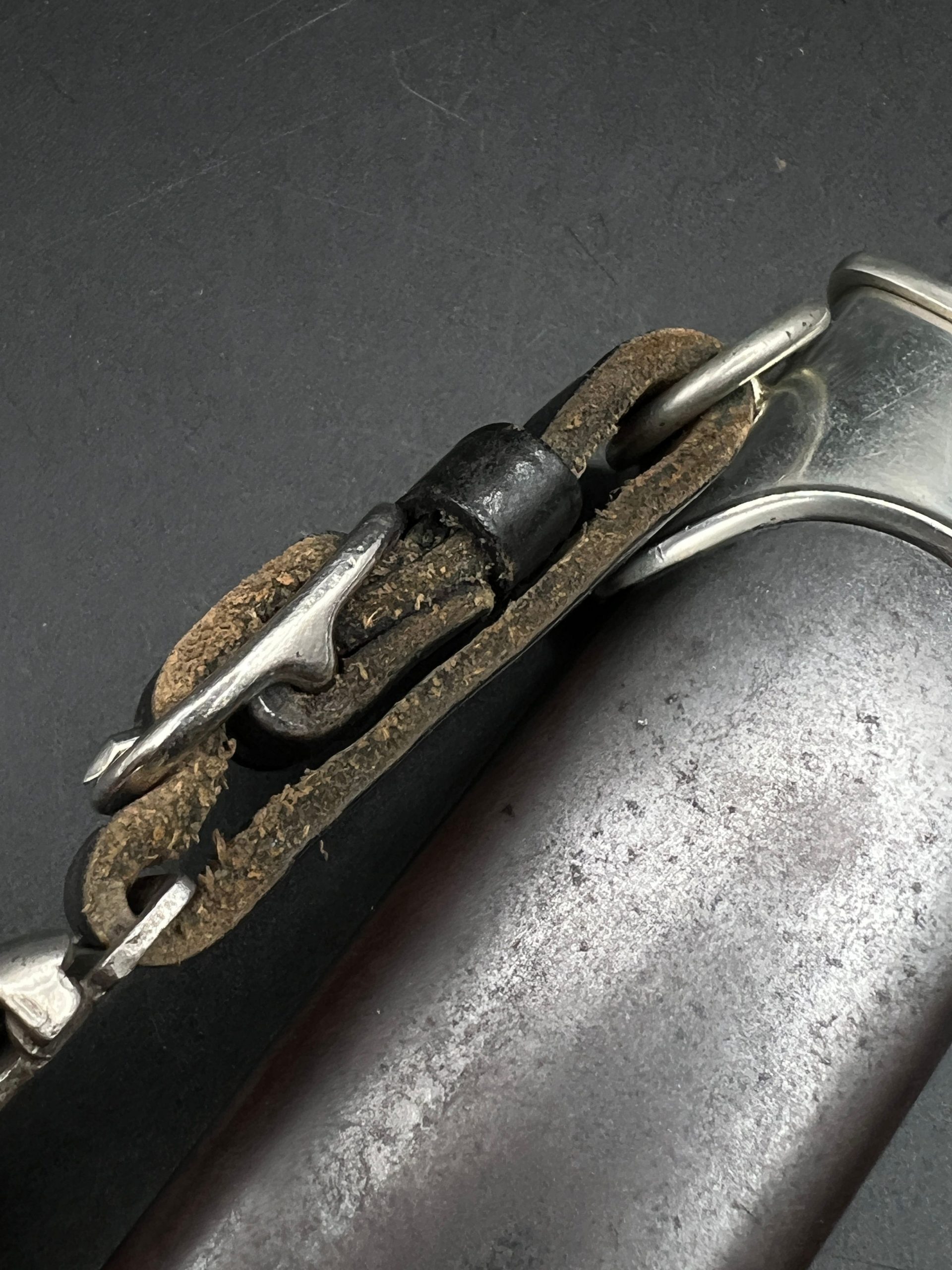
Includes suspension loop with 1938 maker’s mark.