
Auction History
| Auction started |


Starting bid: $ 7,875
Auction ends: August 27, 2026 2:00 PM
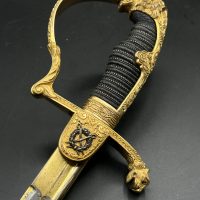
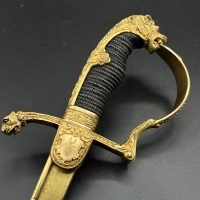
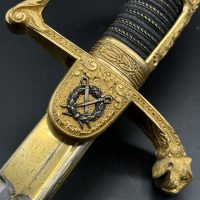
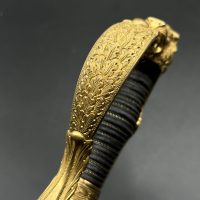
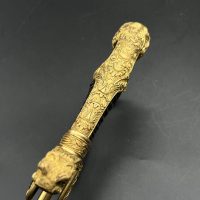
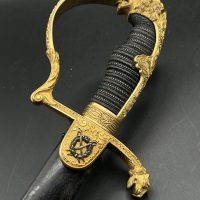
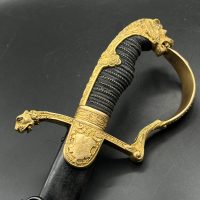
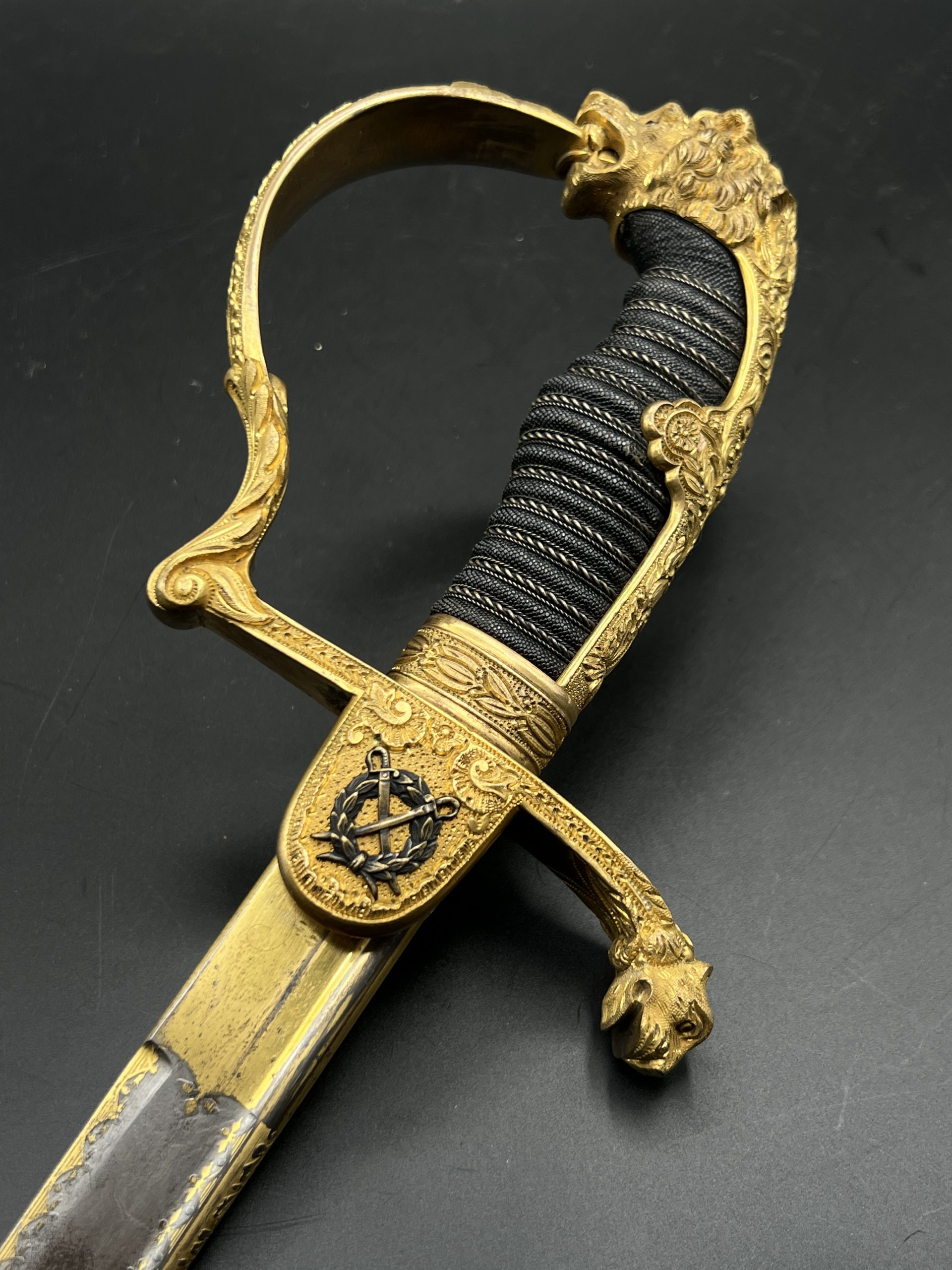
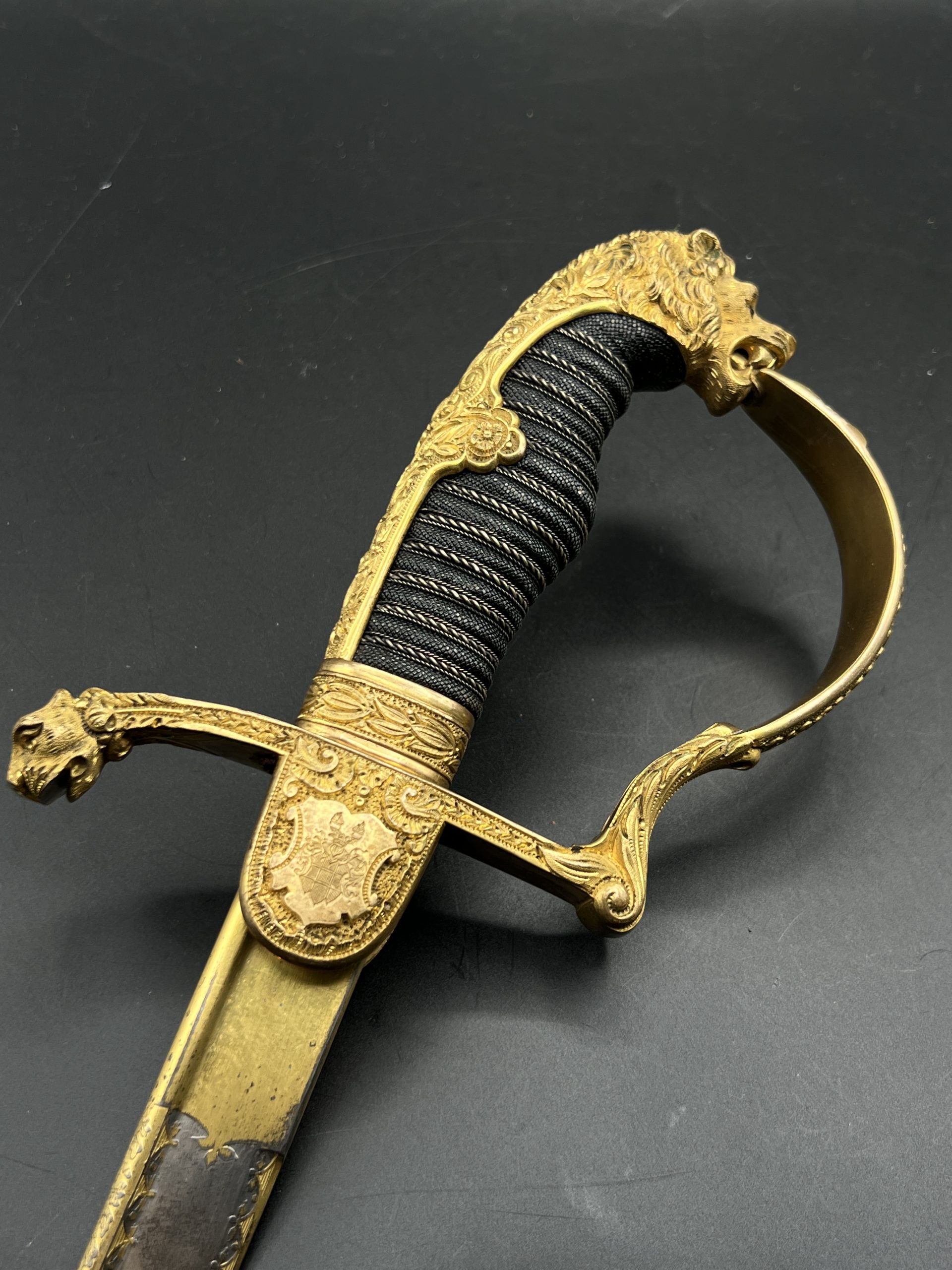
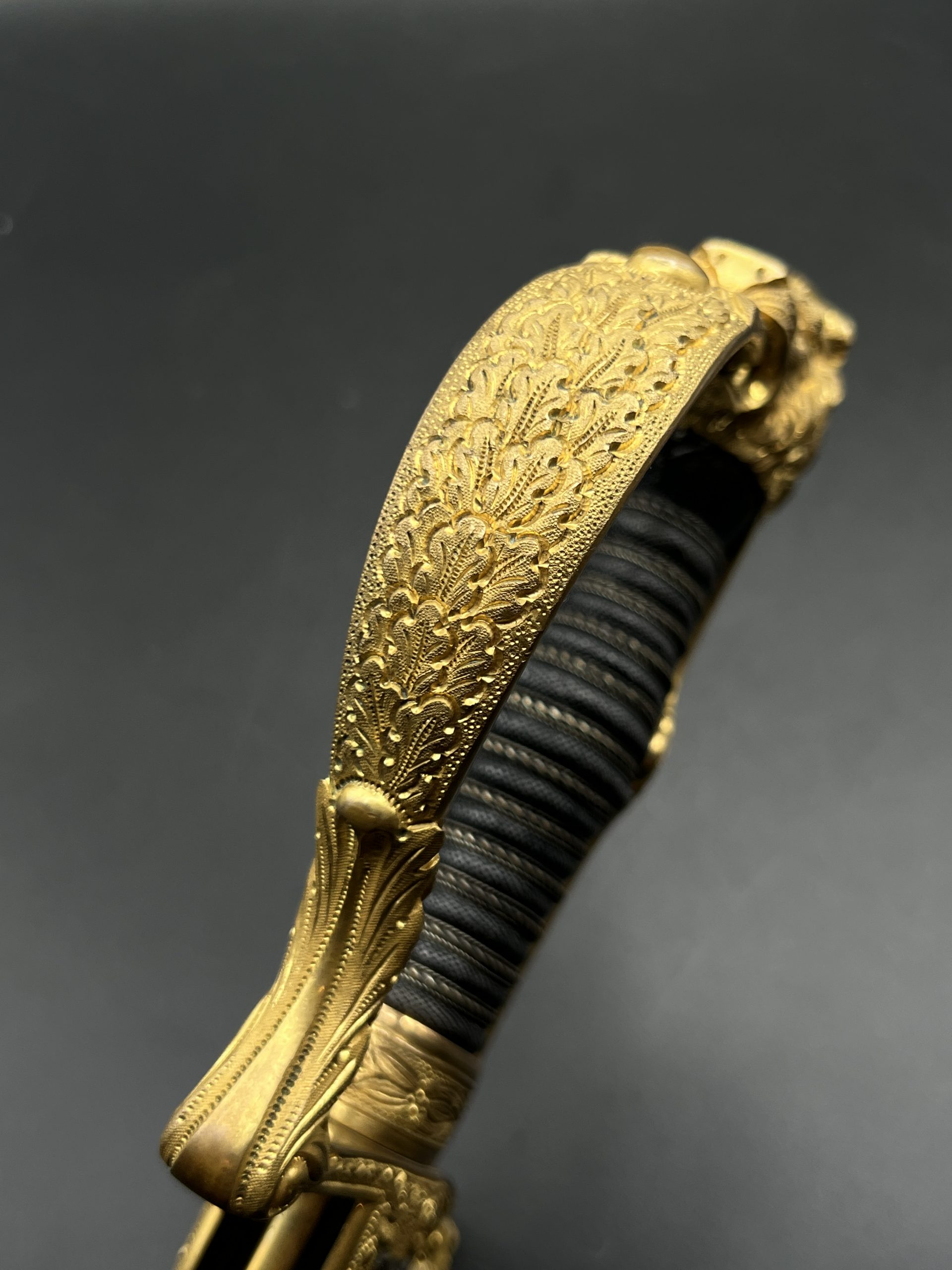
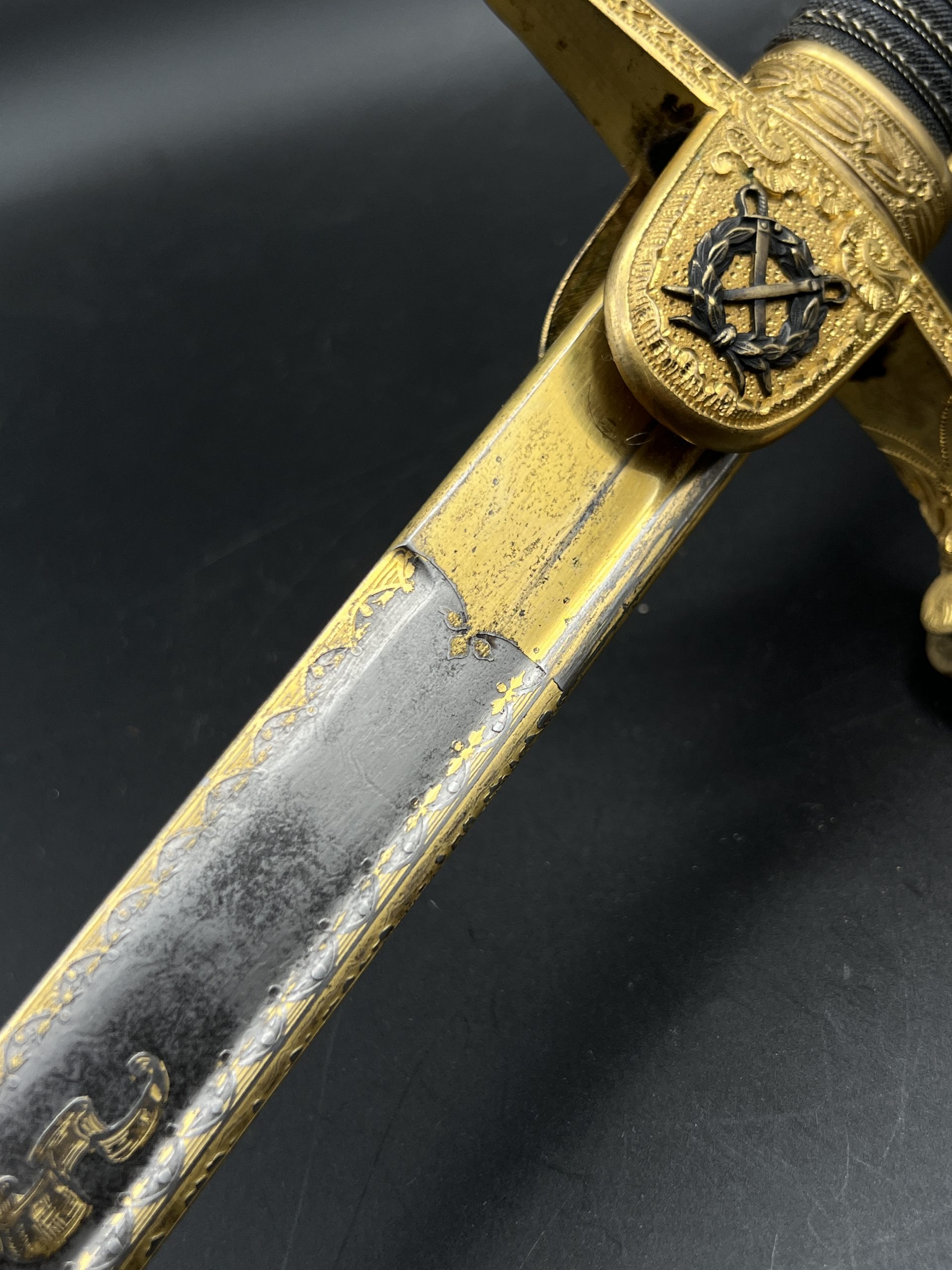
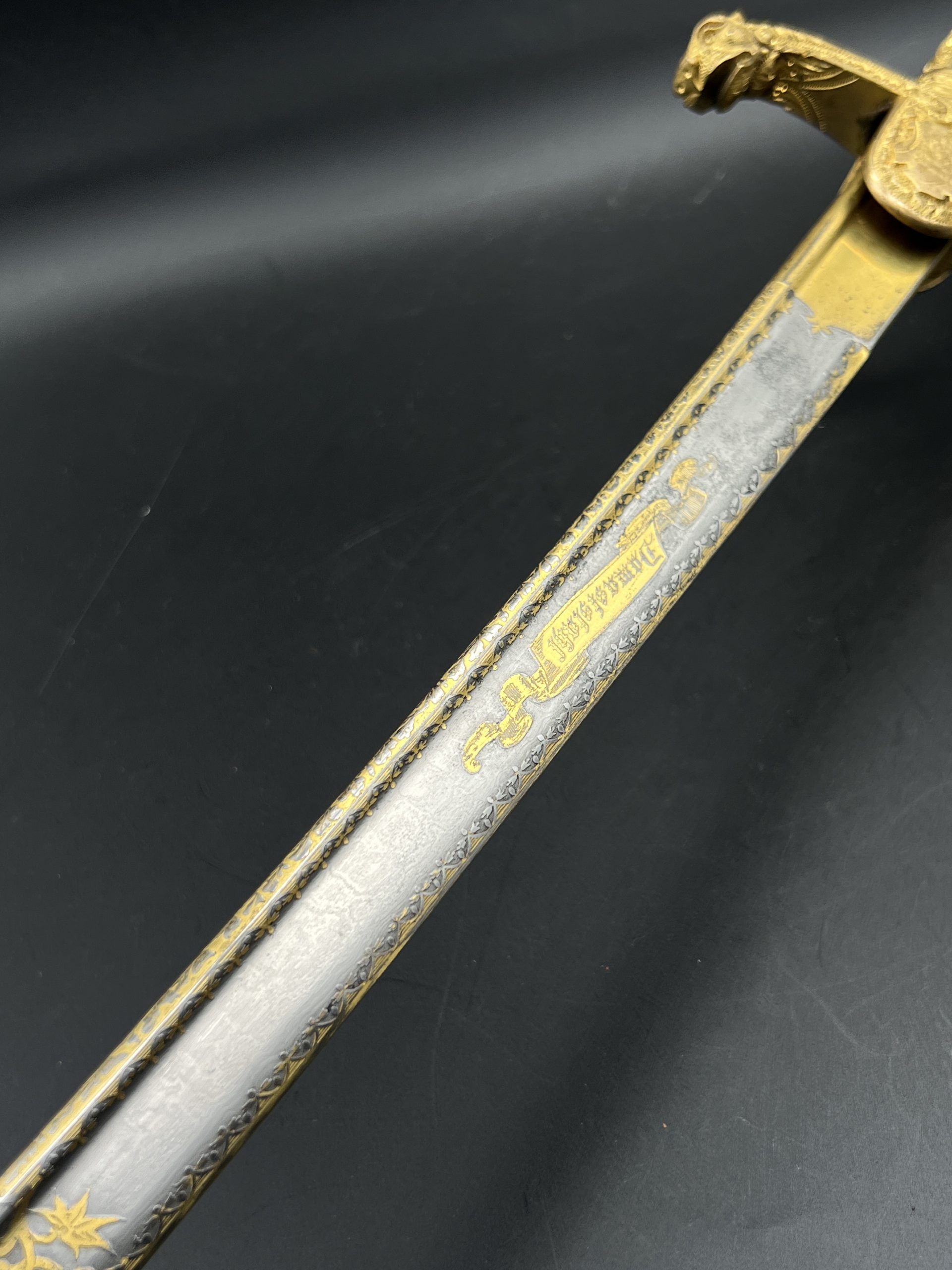
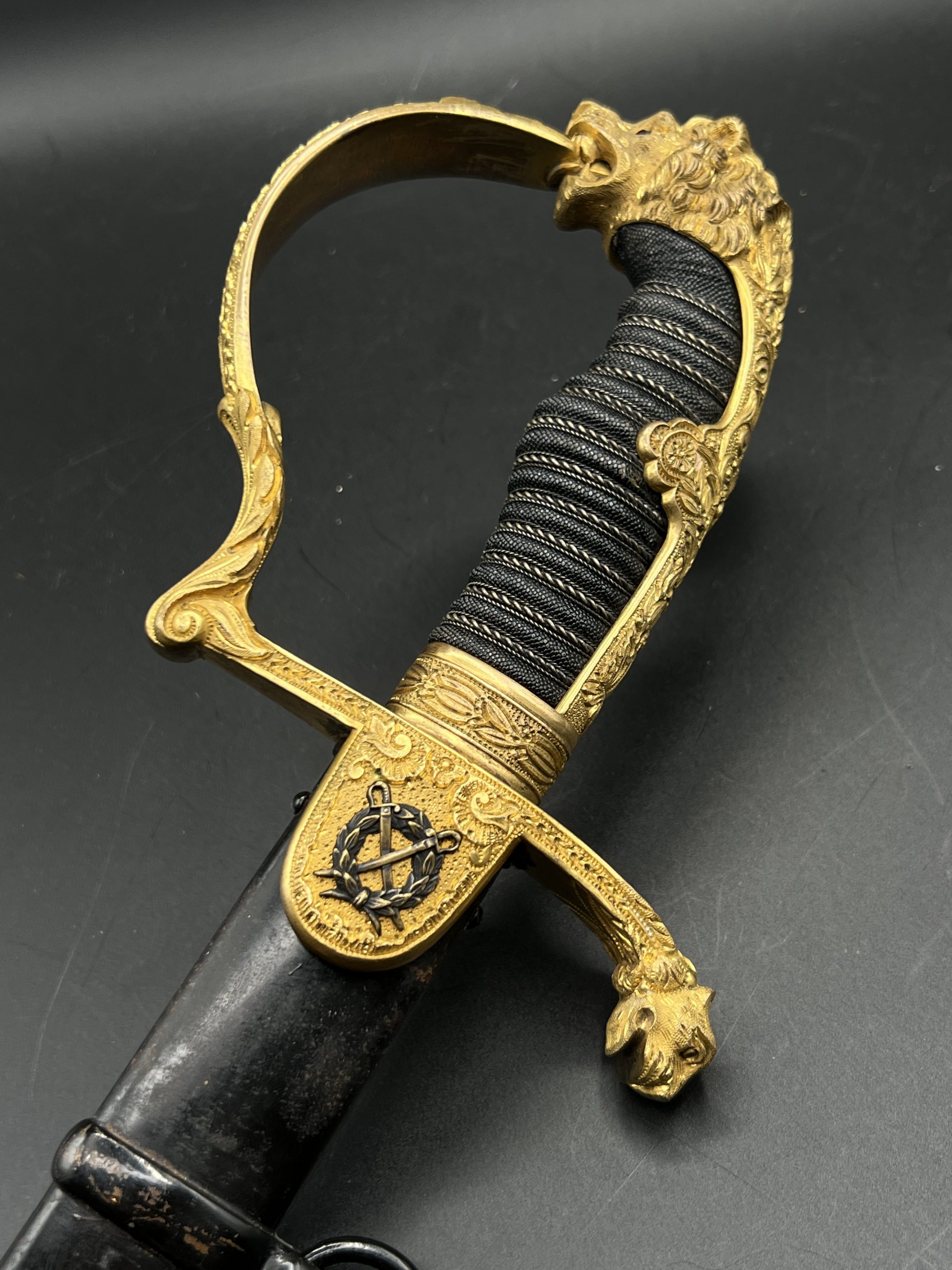
Cavalry edged weapons of the German Empire were intended for officers and enlisted men of dragoon, cuirassier, uhlan, hussar, and other cavalry regiments, remaining in service until the end of the First World War in 1918. This category includes sabers, pallasches, and other examples of bladed weapons that formed an integral part of German cavalry equipment. The presented German saber, dating to before 1918, serves as an excellent example of officer armament from the Imperial period.
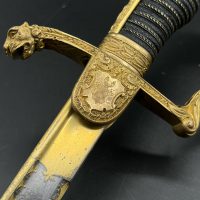
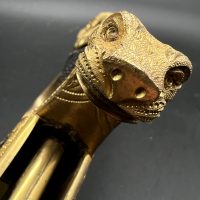
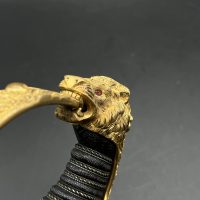
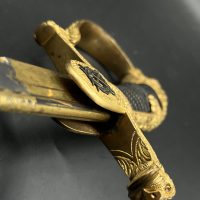
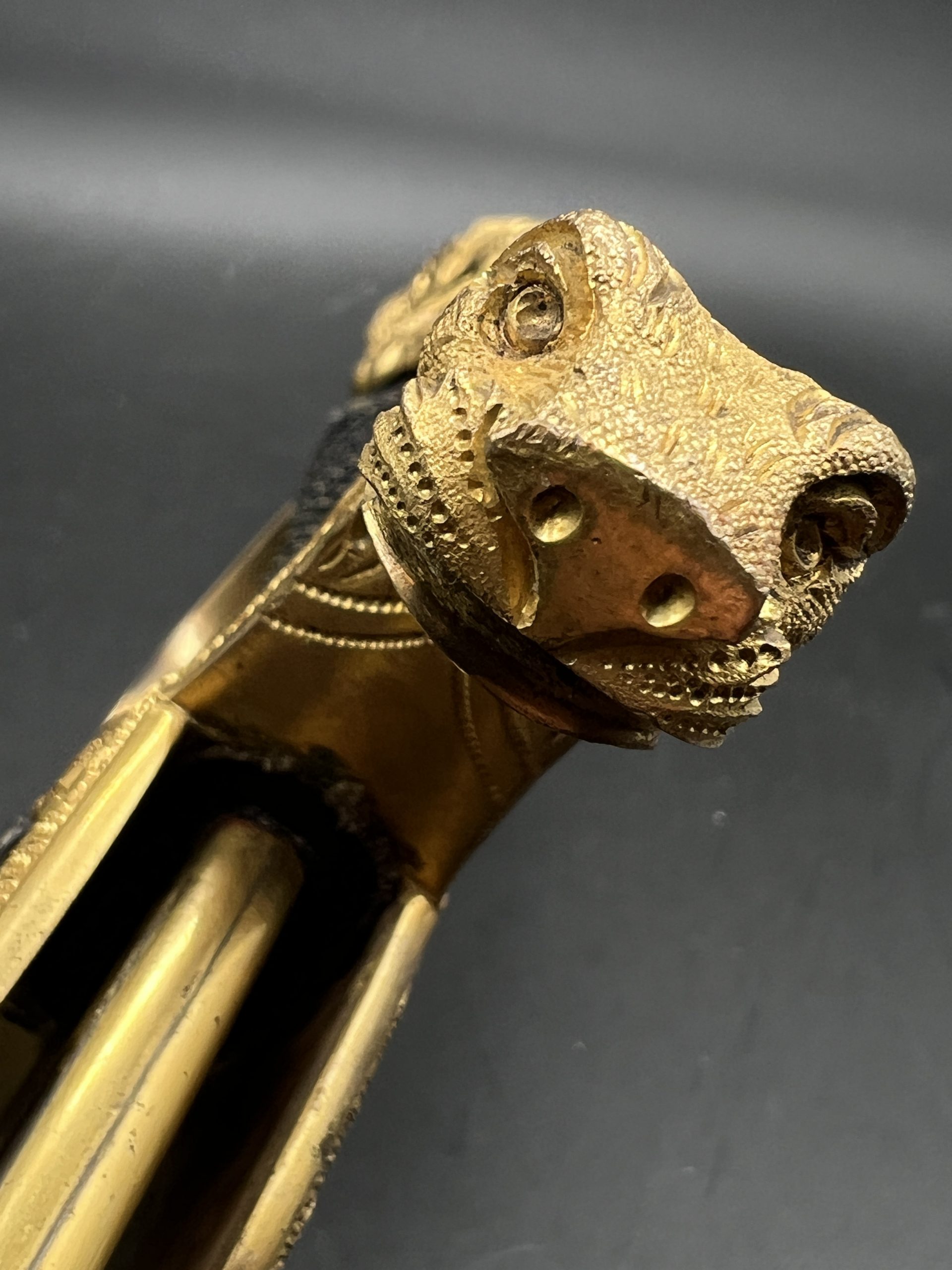
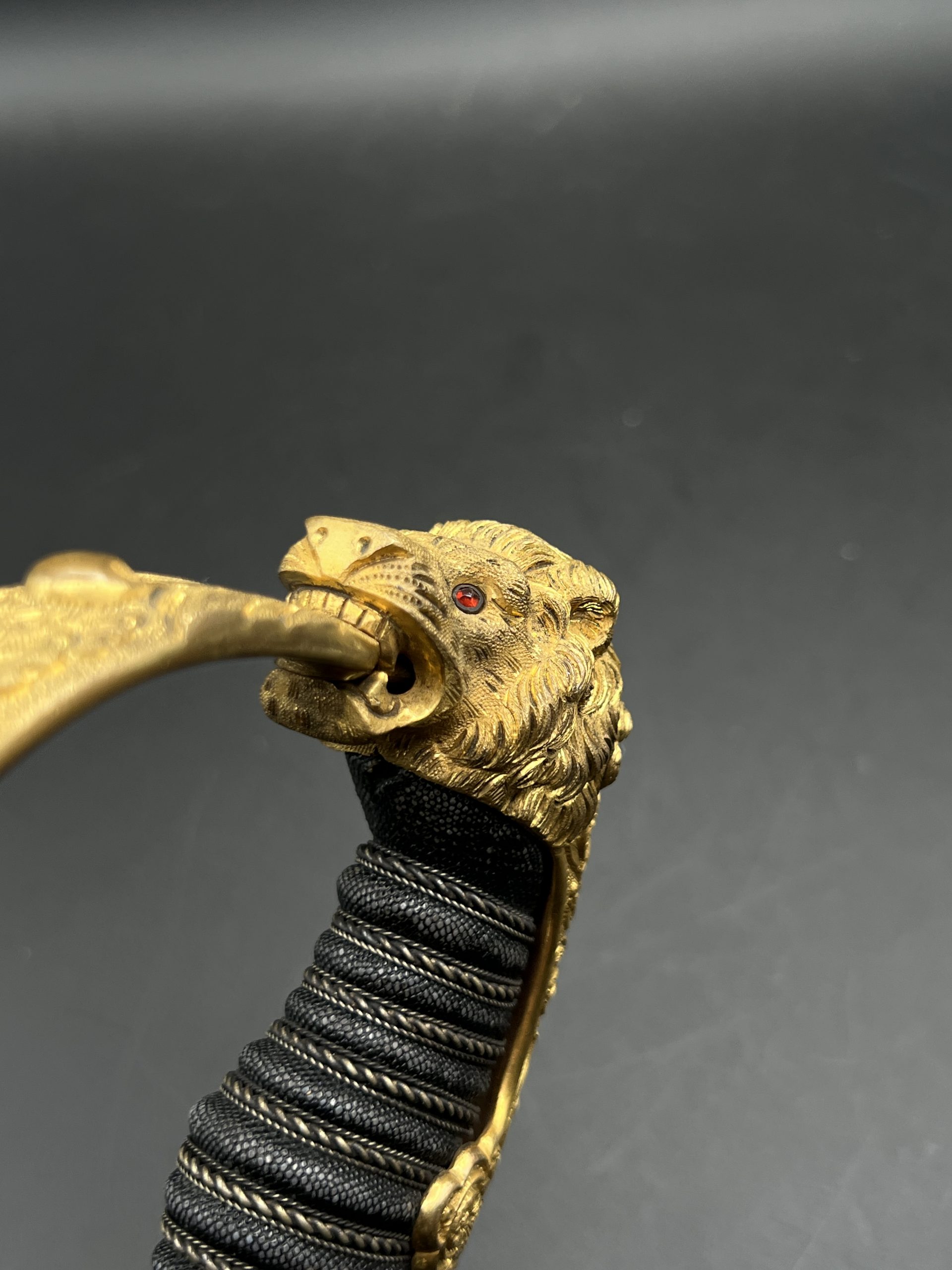
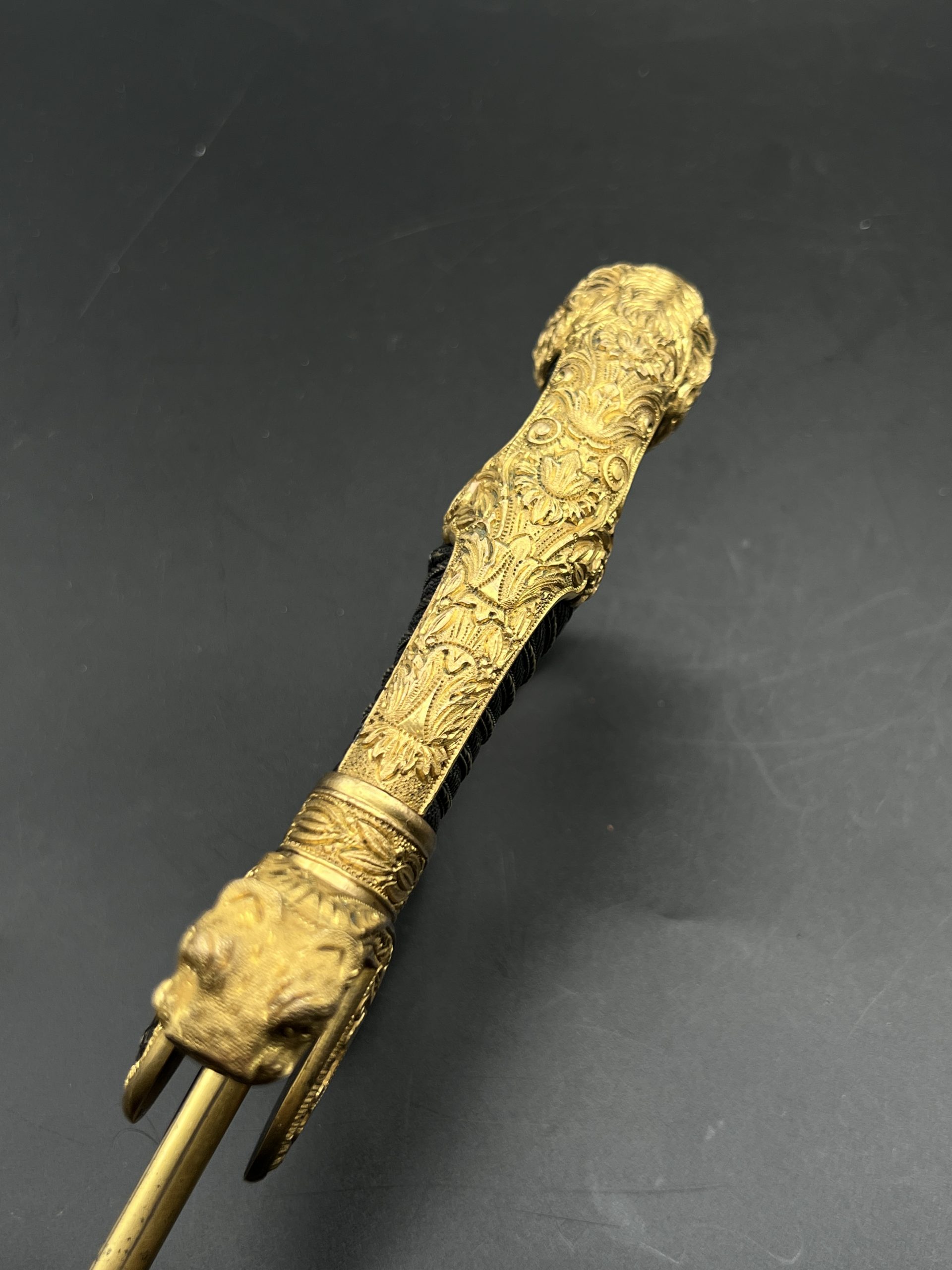
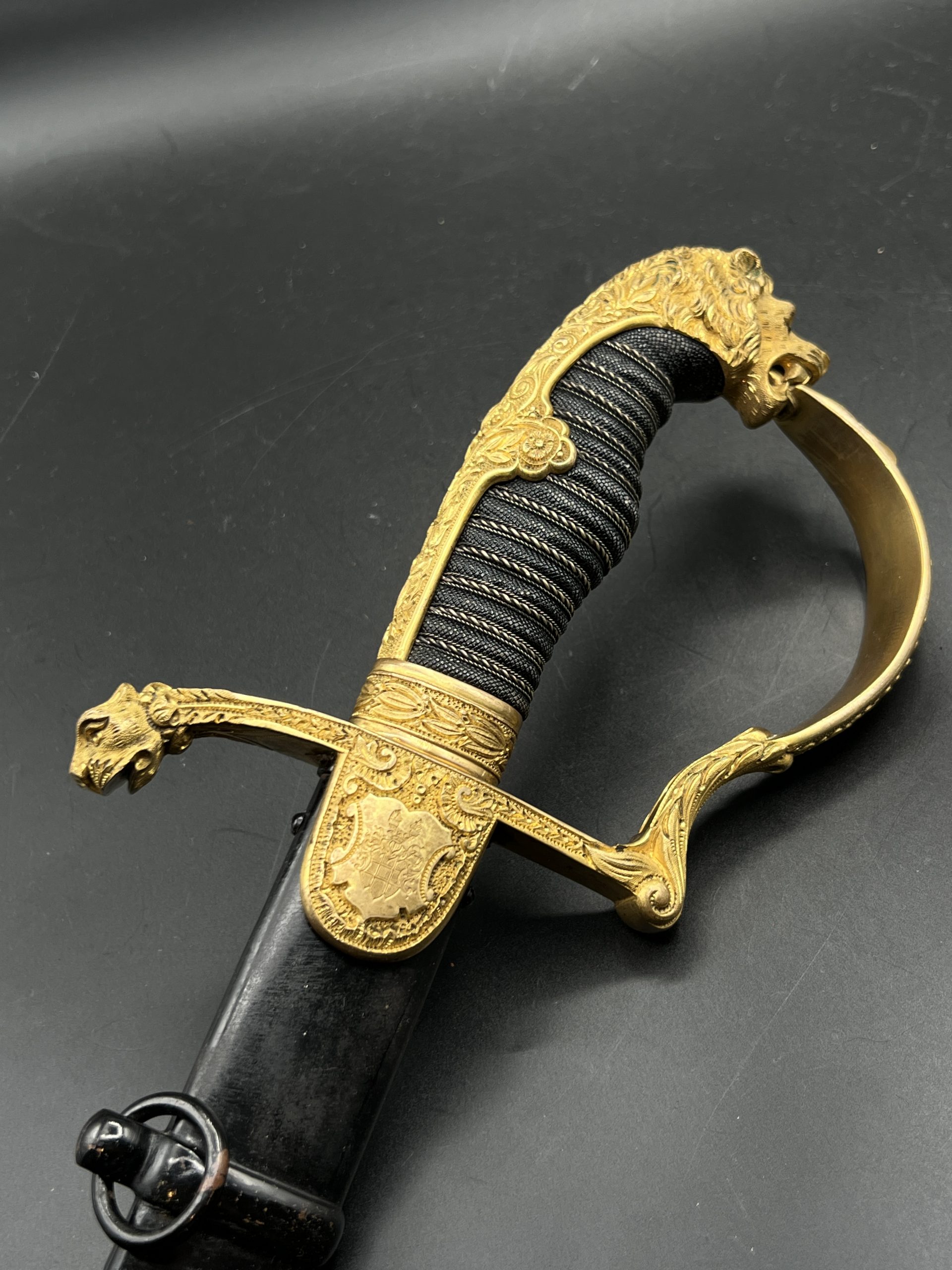
The most distinctive feature of many officer cavalry sabers is the pommel in the form of a lion’s head, one of the most recognizable symbols of German edged weapons from the Imperial period. This model gained widespread use in German armies of the 19th century, particularly among cavalry and infantry officers, and to this day remains a desirable acquisition for serious collectors.
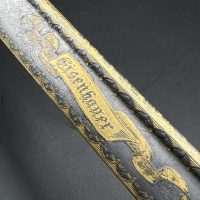
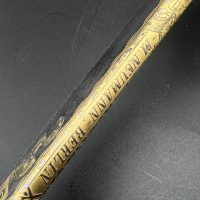
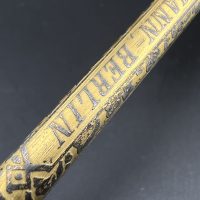
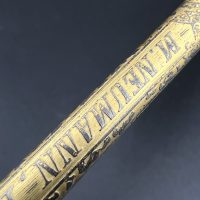
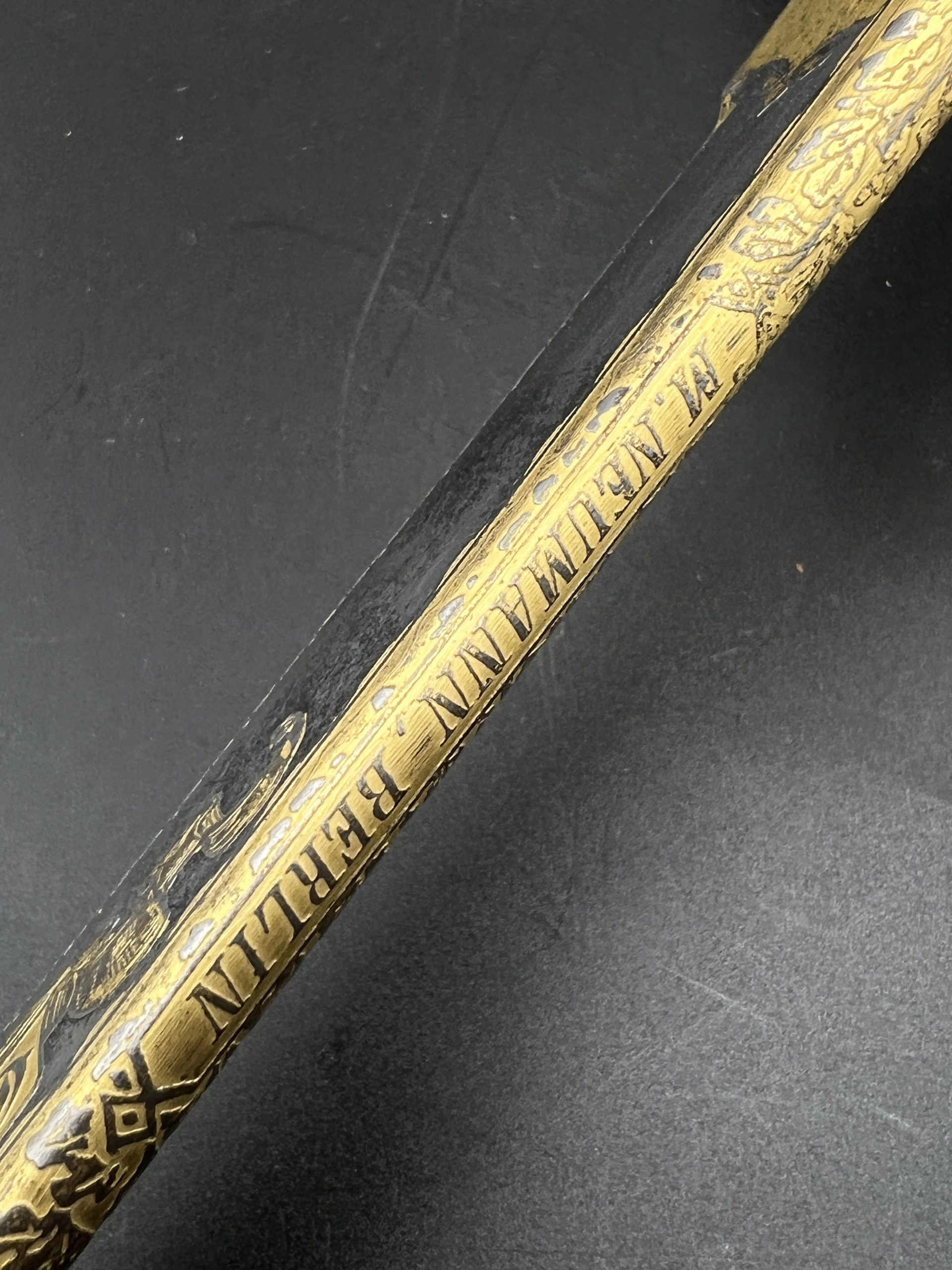
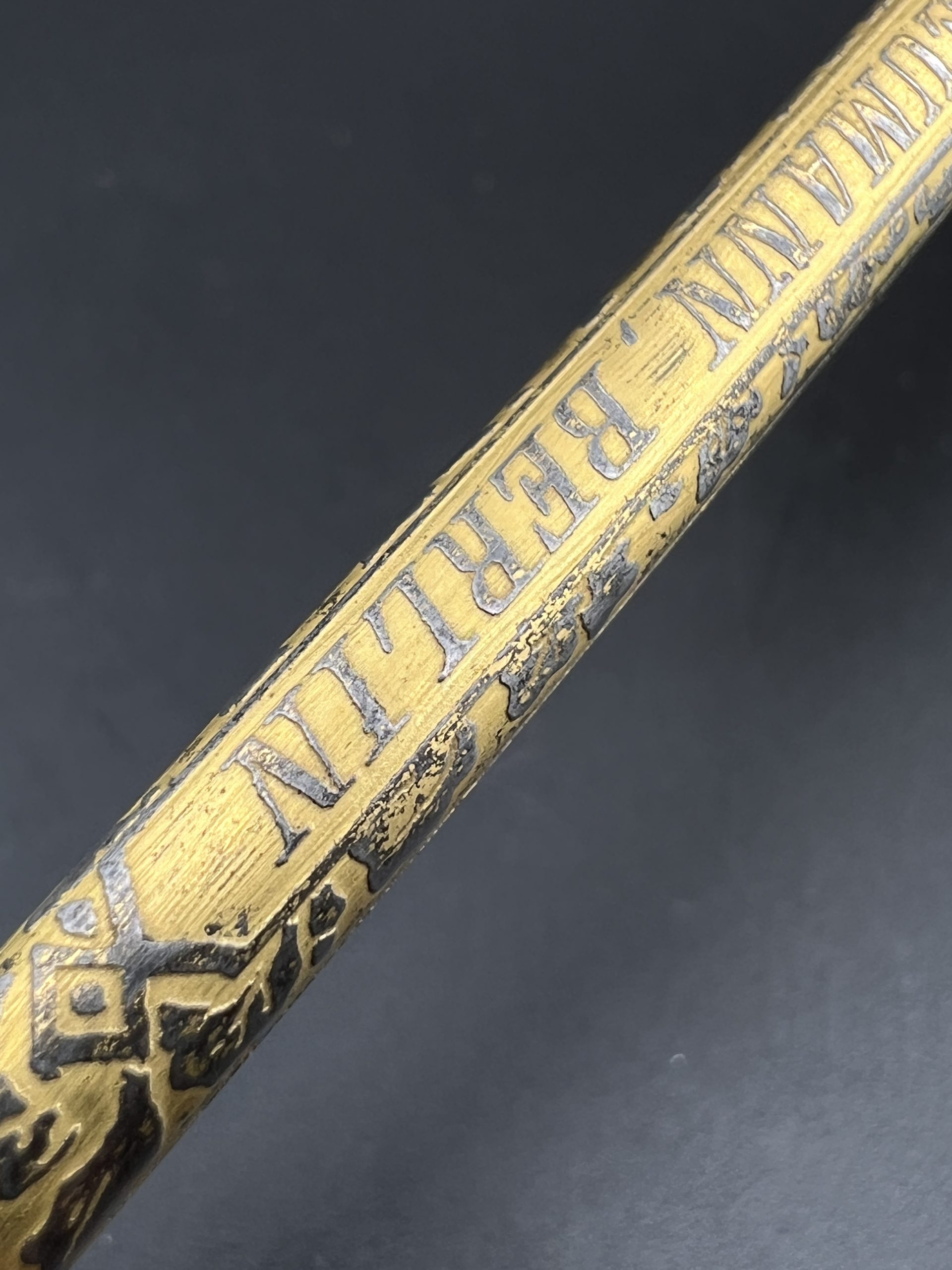
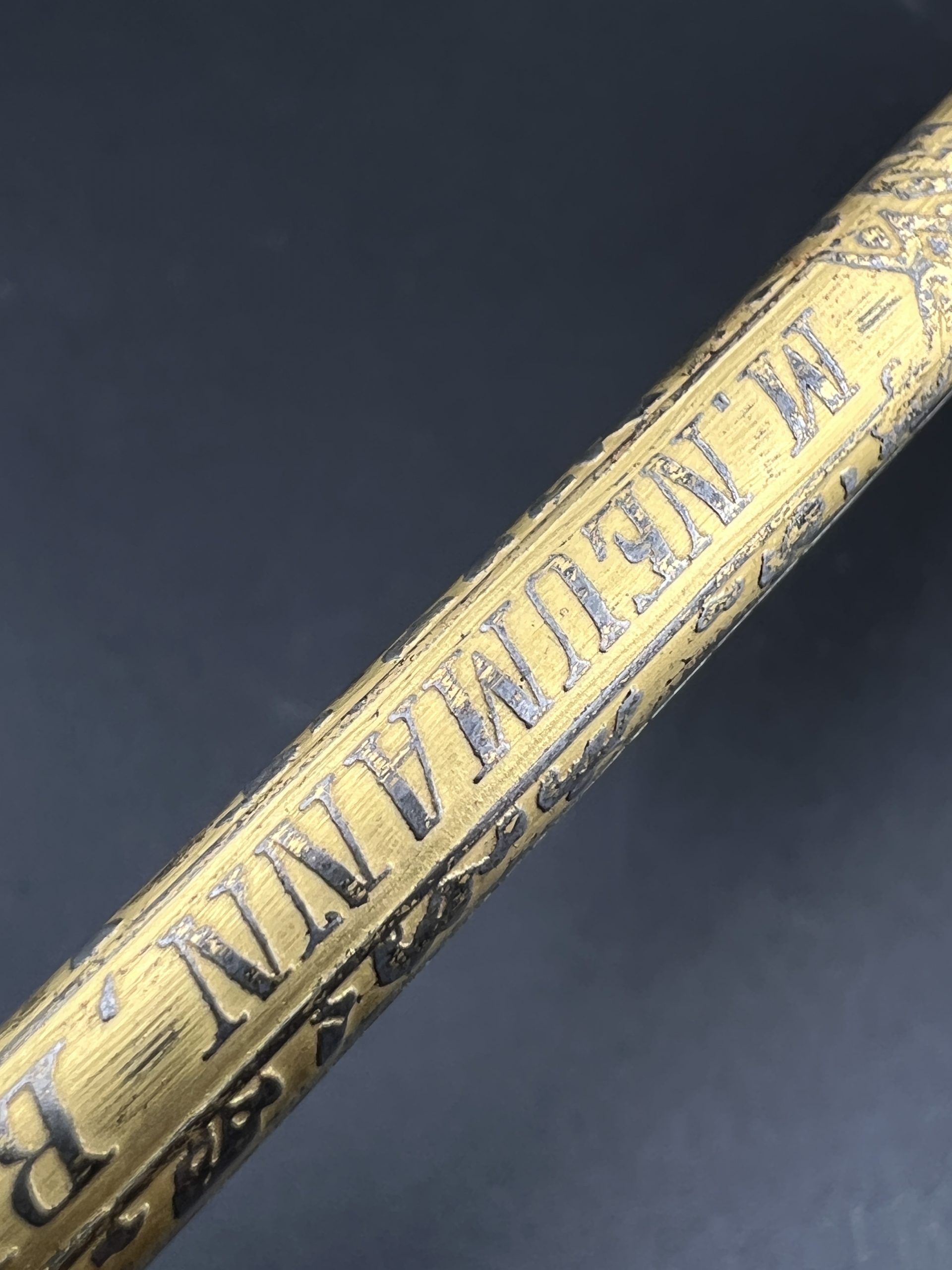
The firm M. Neumann, Berlin was a German supplier of military equipment and edged weapons in the late 19th and early 20th centuries. The enterprise was located in Berlin and supplied sabers, pallasches, bayonets, and other military items for the German army, earning a reputation as a reliable manufacturer of quality officer weapons.
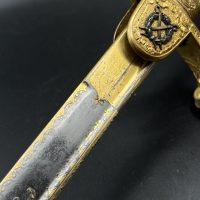
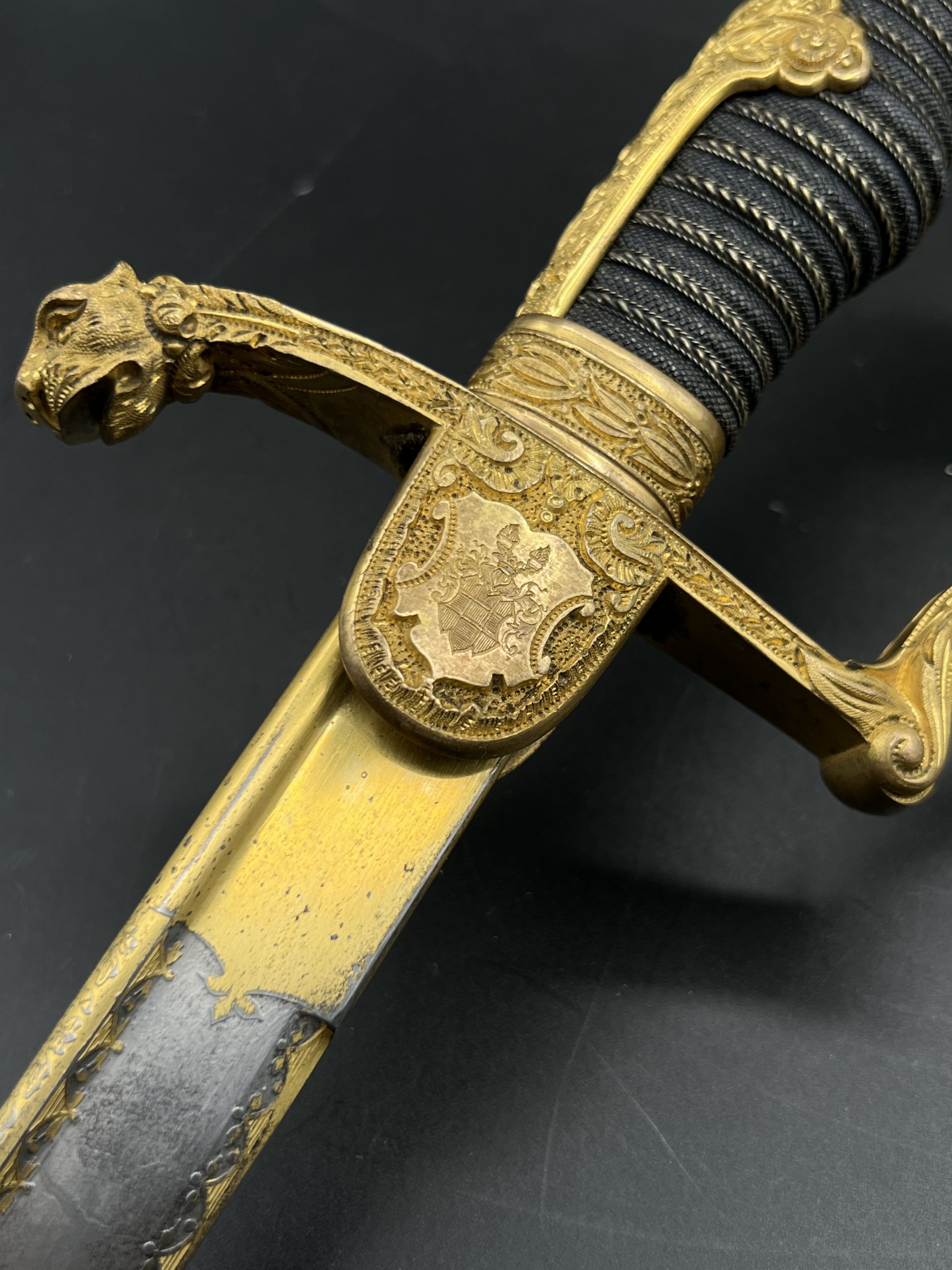
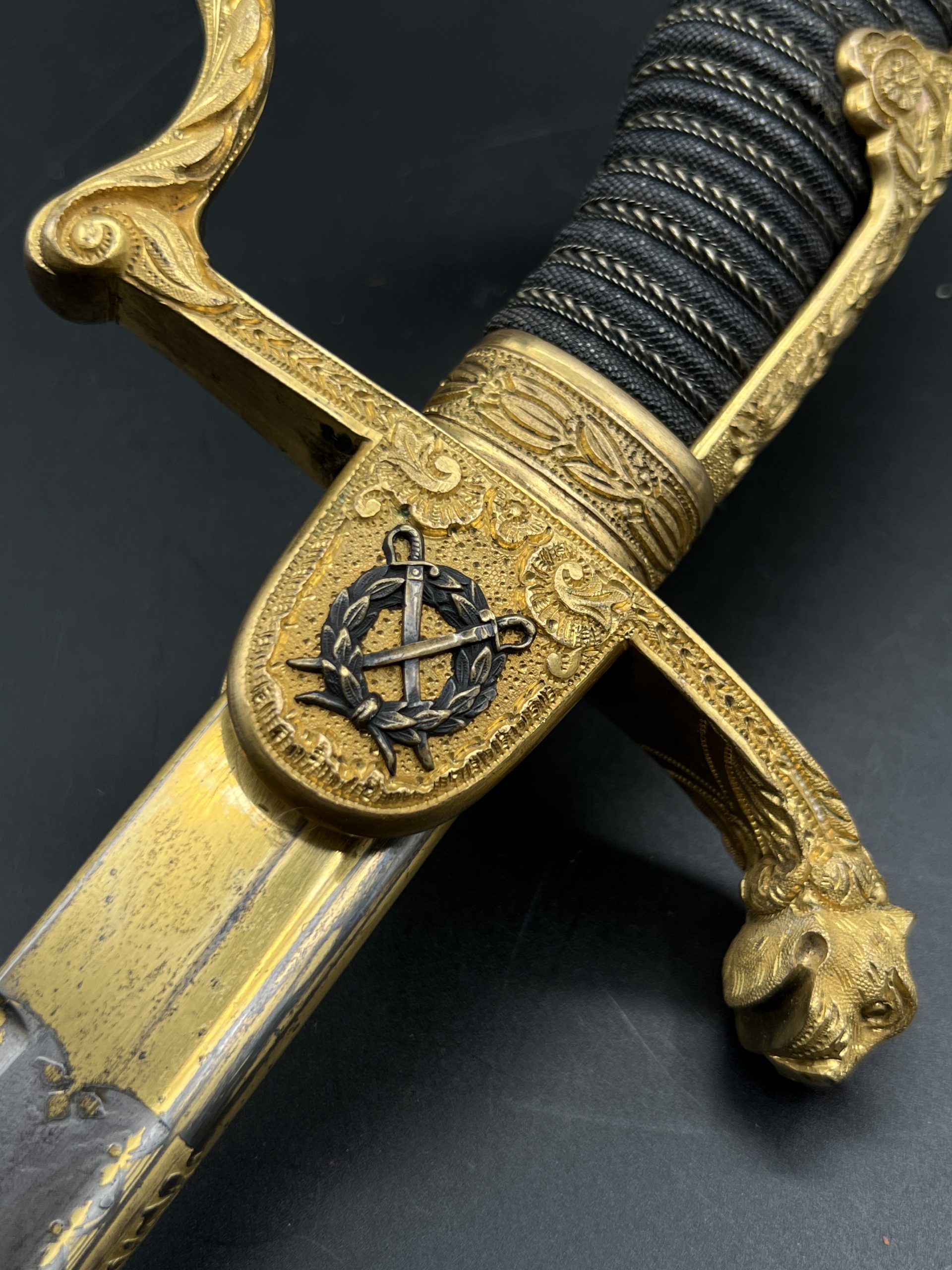
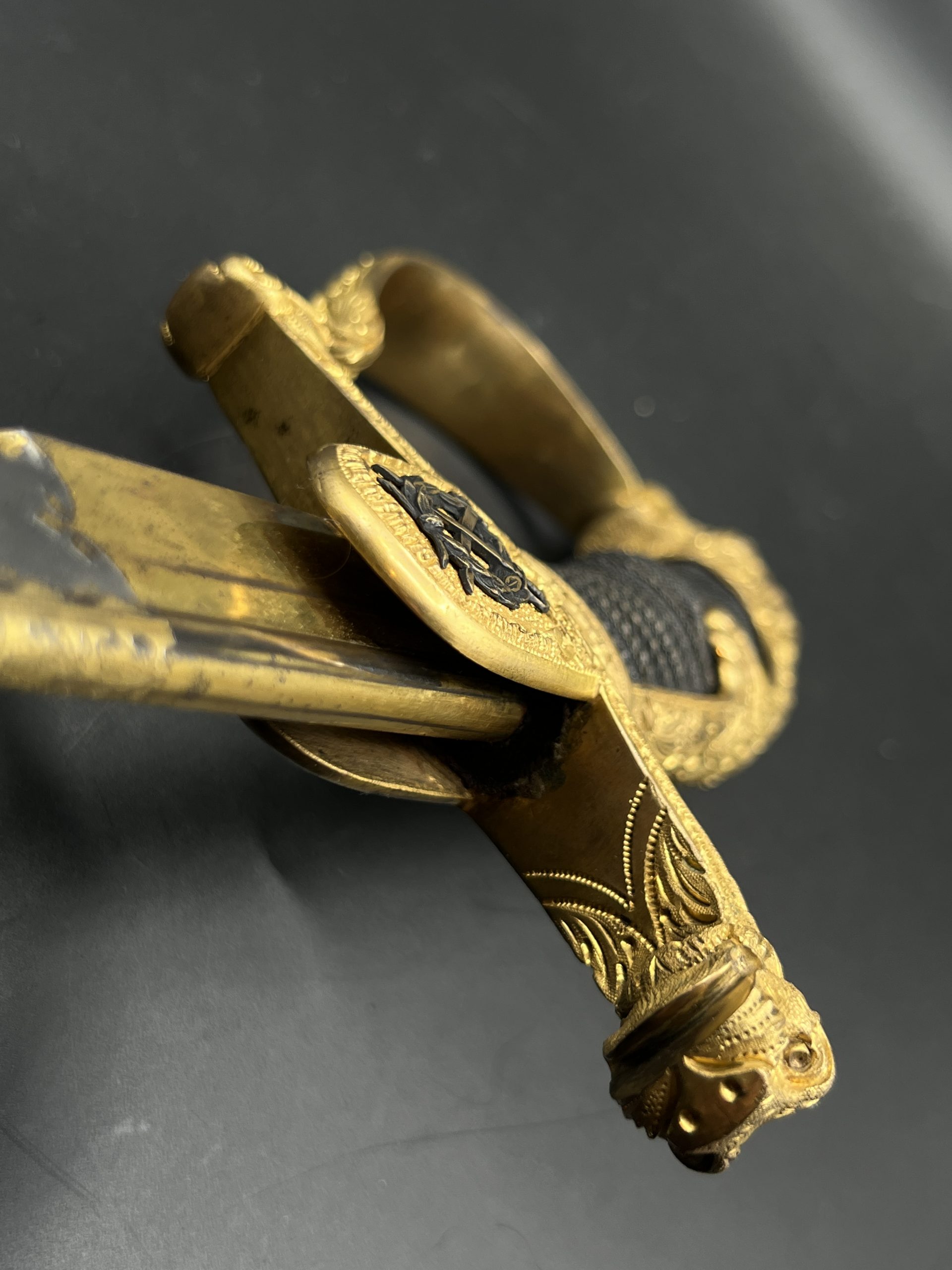
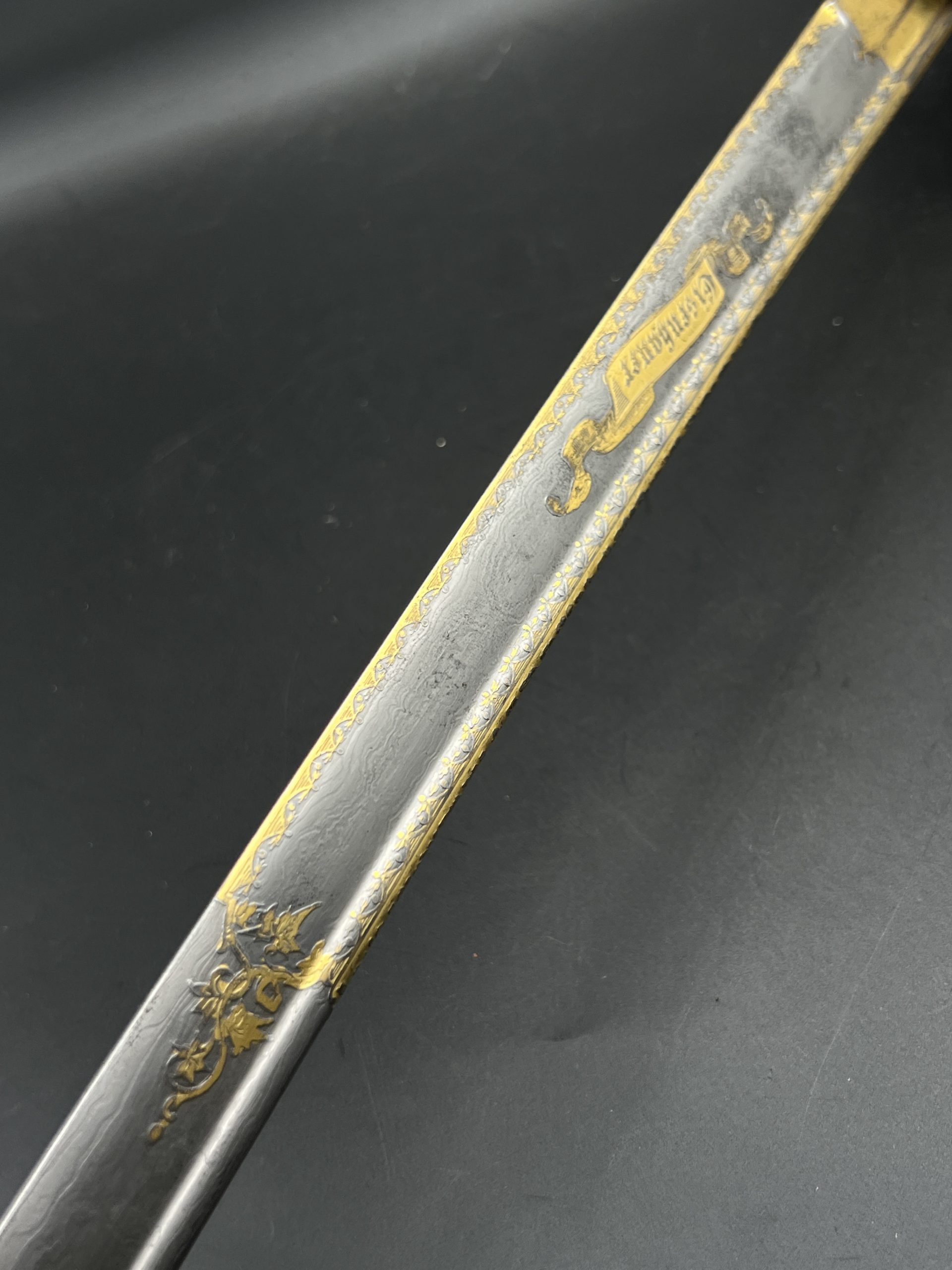
A coat of arms on the blade or hilt of a German saber indicates that the weapon belonged to a member of a noble house or aristocratic family. Such examples were made to individual order and were frequently embellished with a motto, initials, or a crown of the appropriate rank. The presence of a family coat of arms significantly enhances the historical and collectible value of the piece, as in certain cases it allows identification of the specific owner and tracing of the weapon’s provenance.
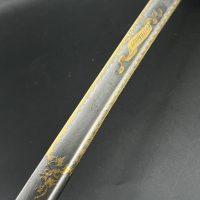
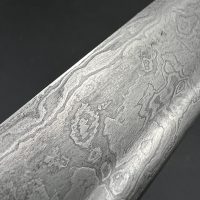
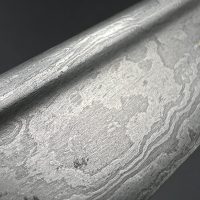
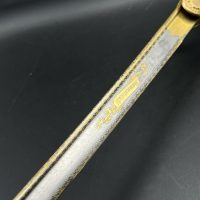
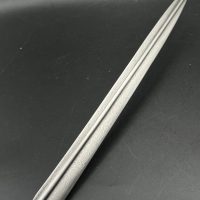
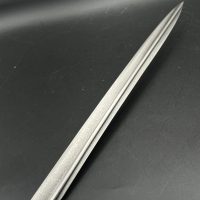
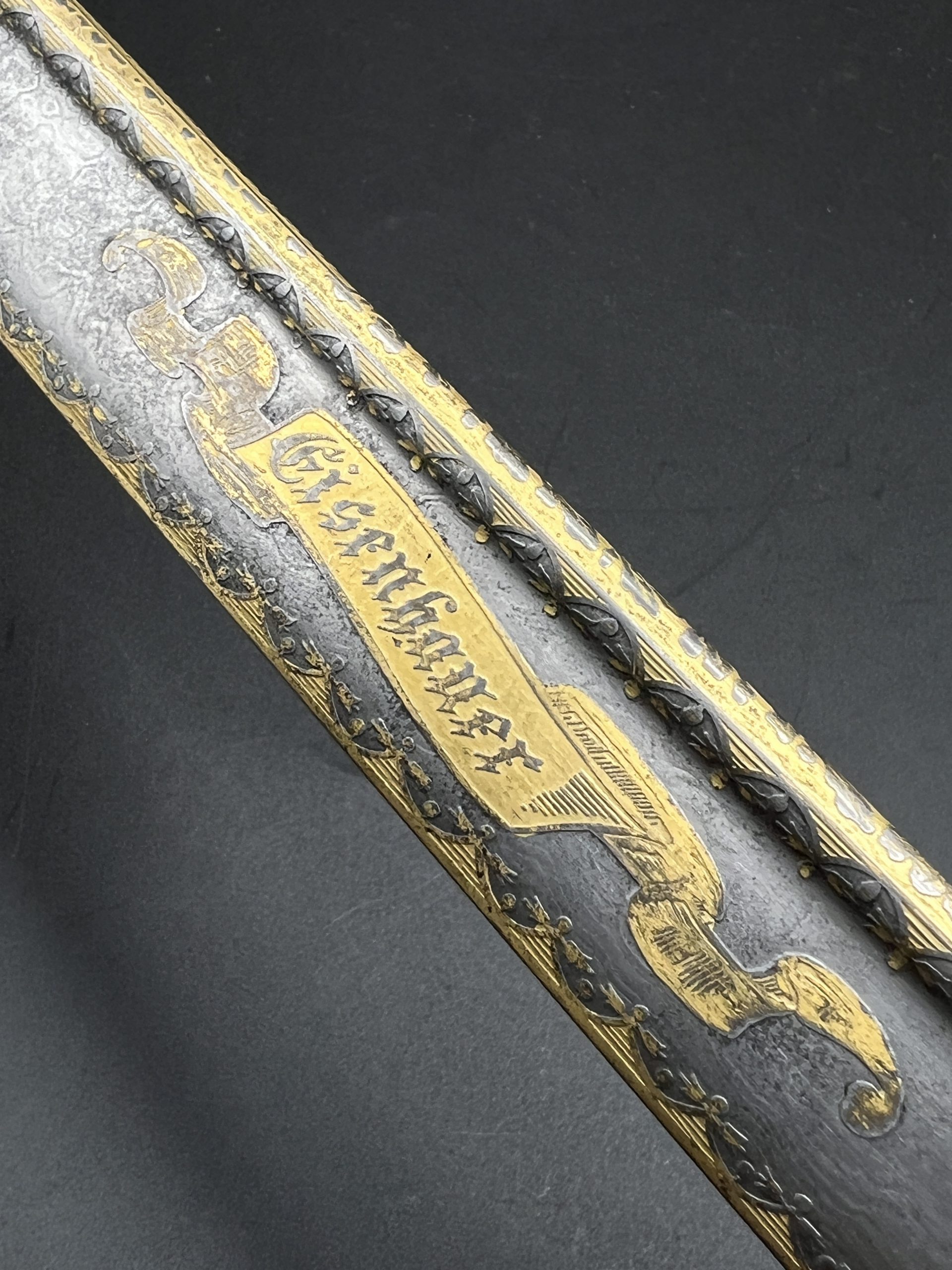
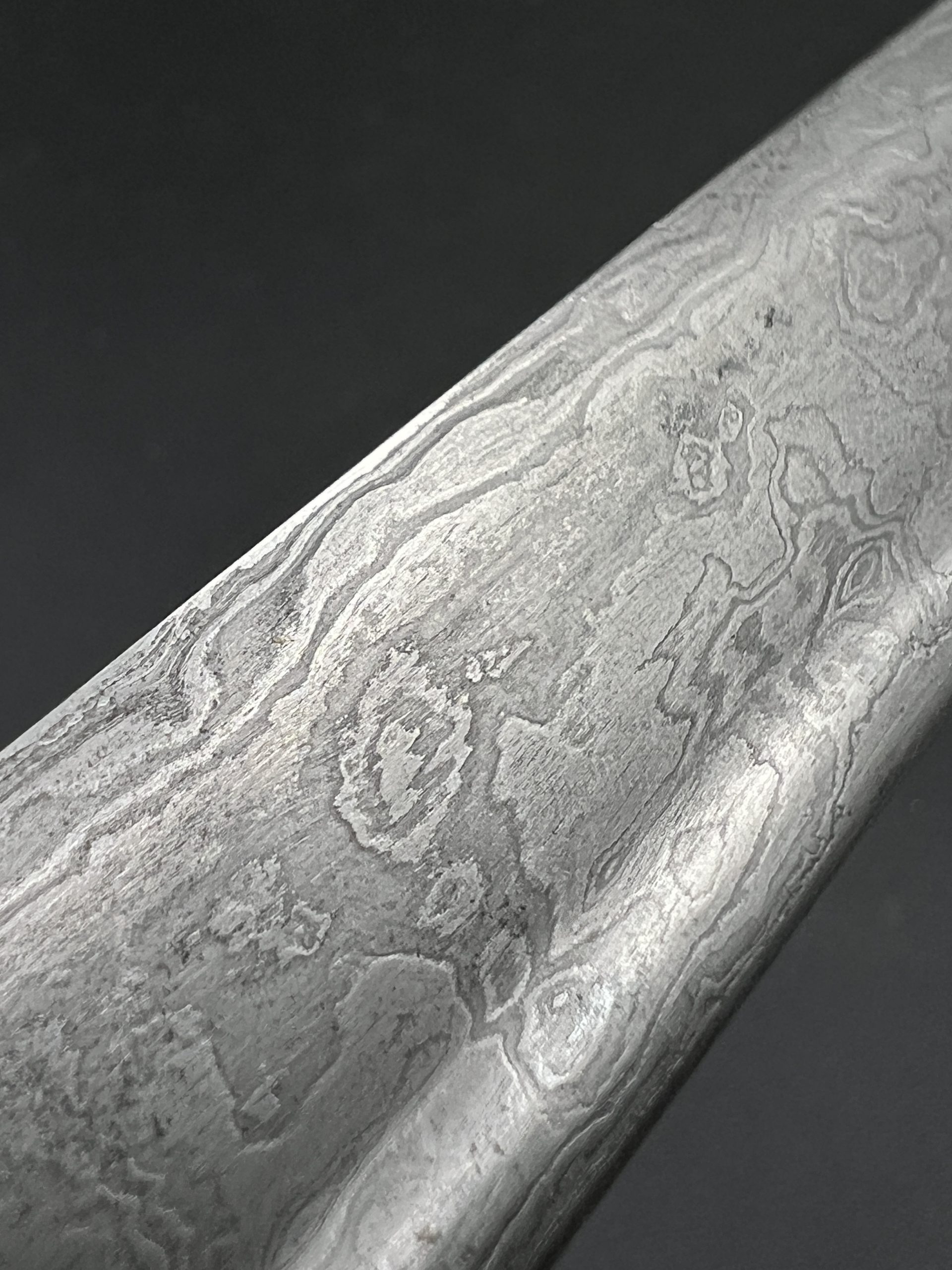
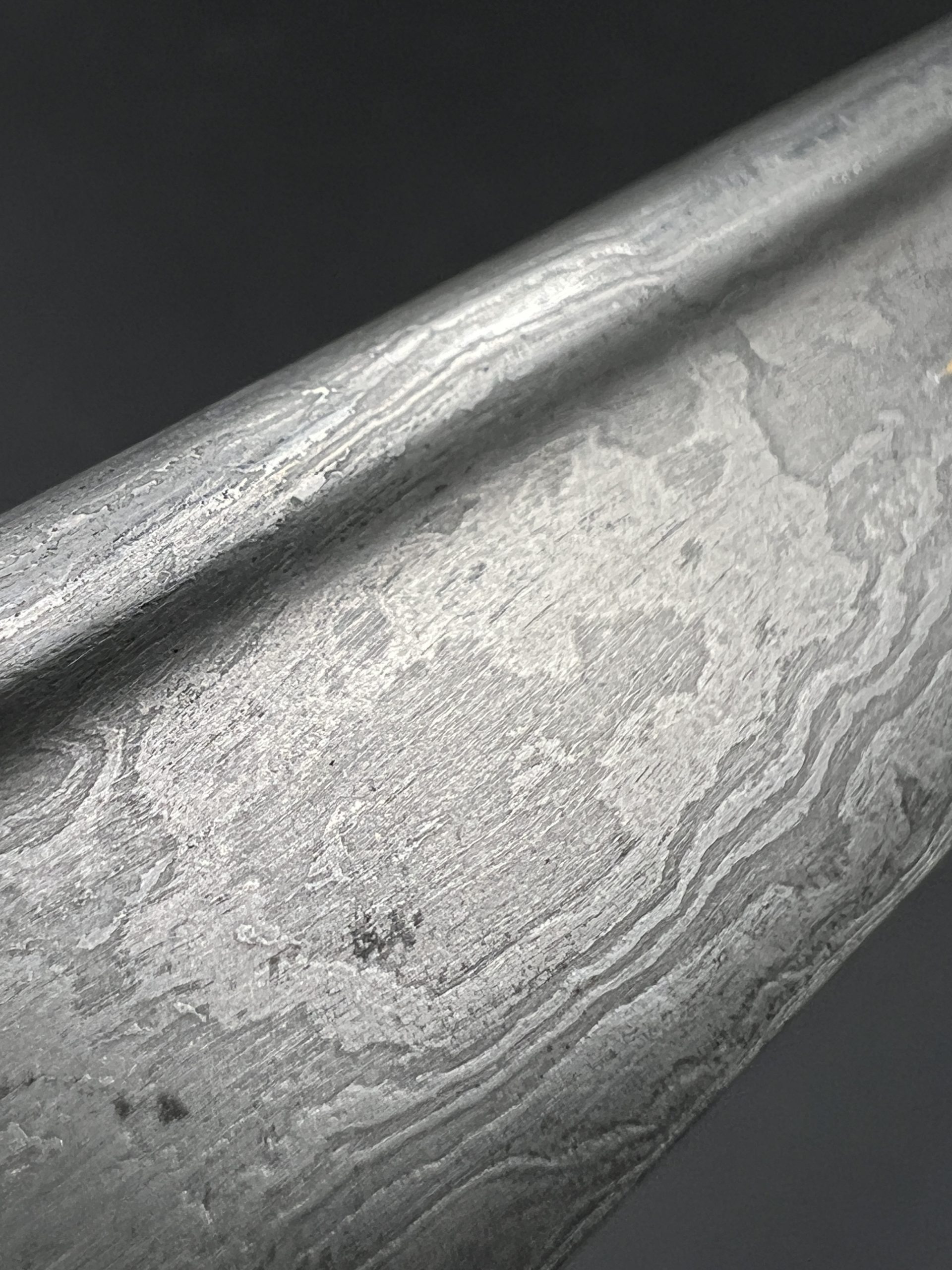
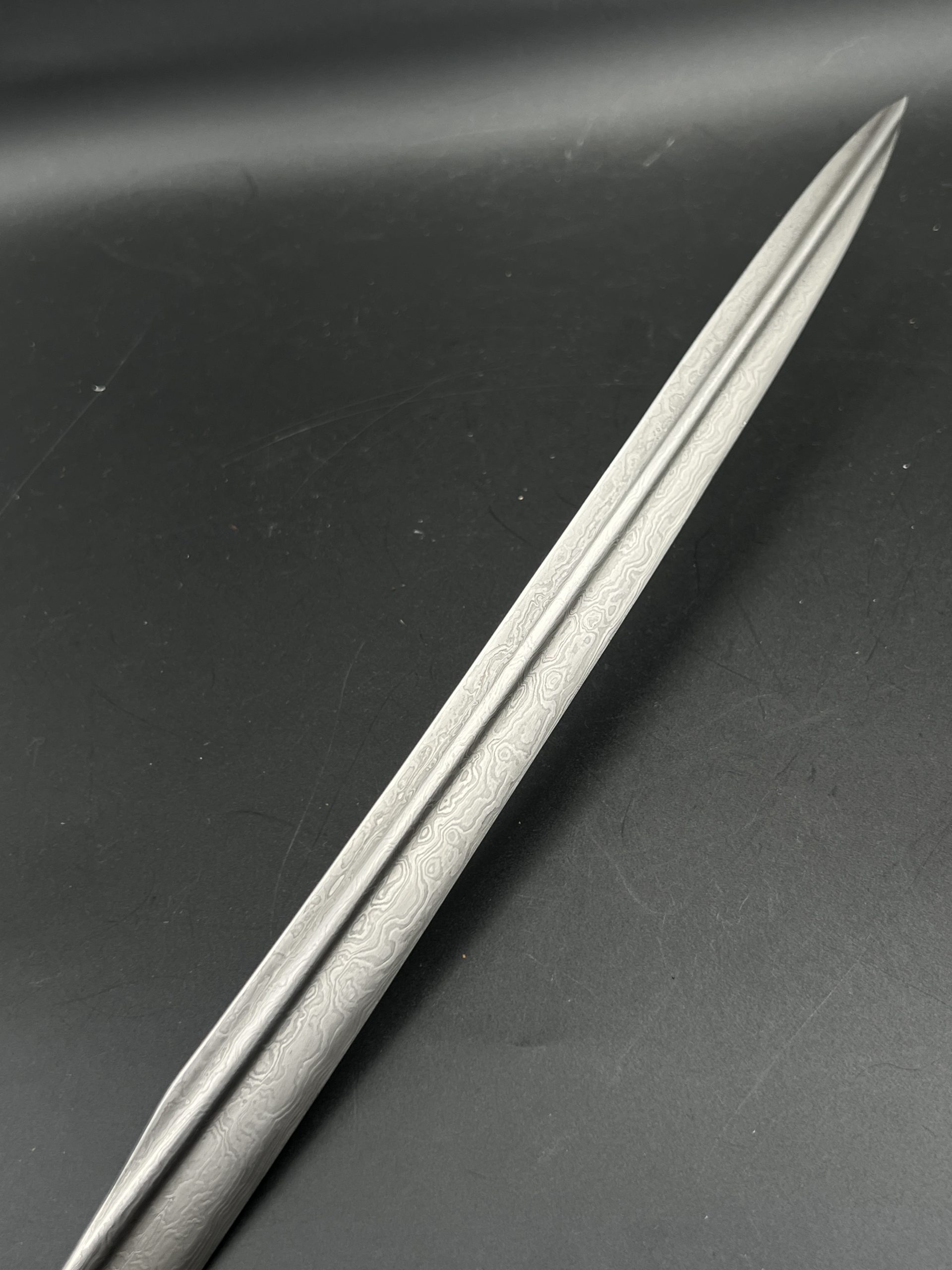
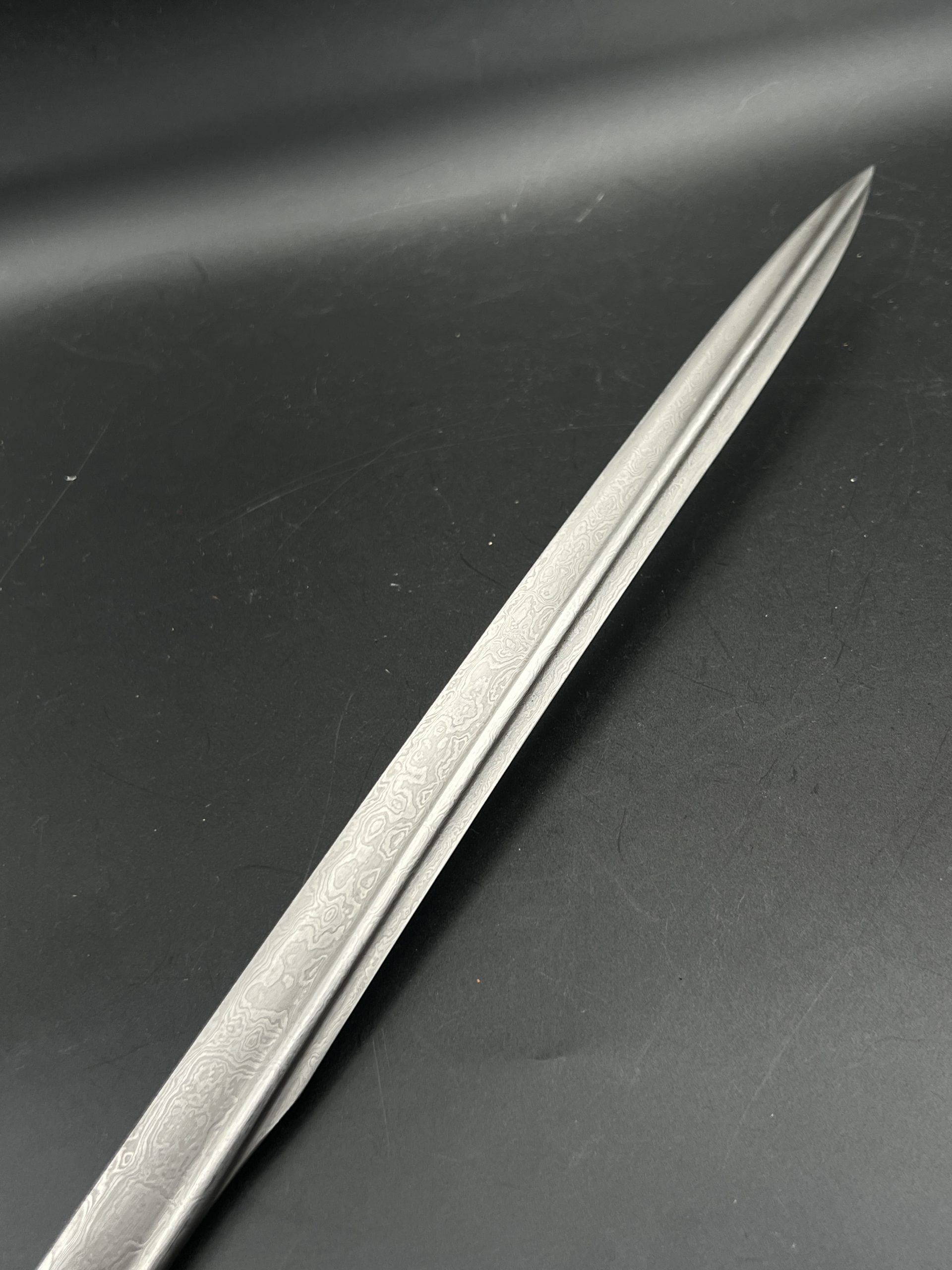
The blade is forged from Damascus steel and decorated with ornamental etching and gilding. This combination of materials and techniques is characteristic of the most prestigious examples of ceremonial and presentation edged weapons, making this specimen particularly attractive to discerning connoisseurs of German military antiques.