
Auction History
| Auction started |


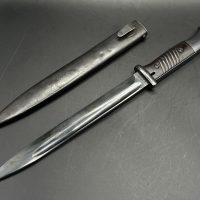
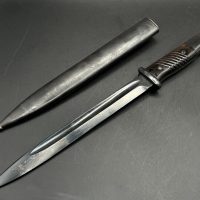
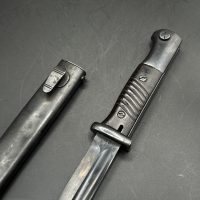
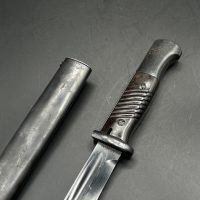
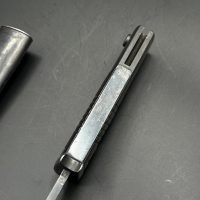
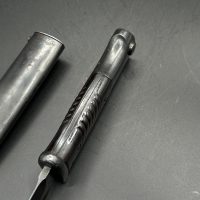
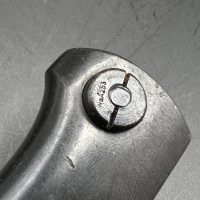
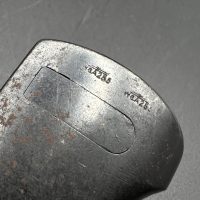
Starting bid: $ 225
Auction ends: August 27, 2026 2:00 PM
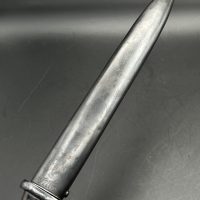
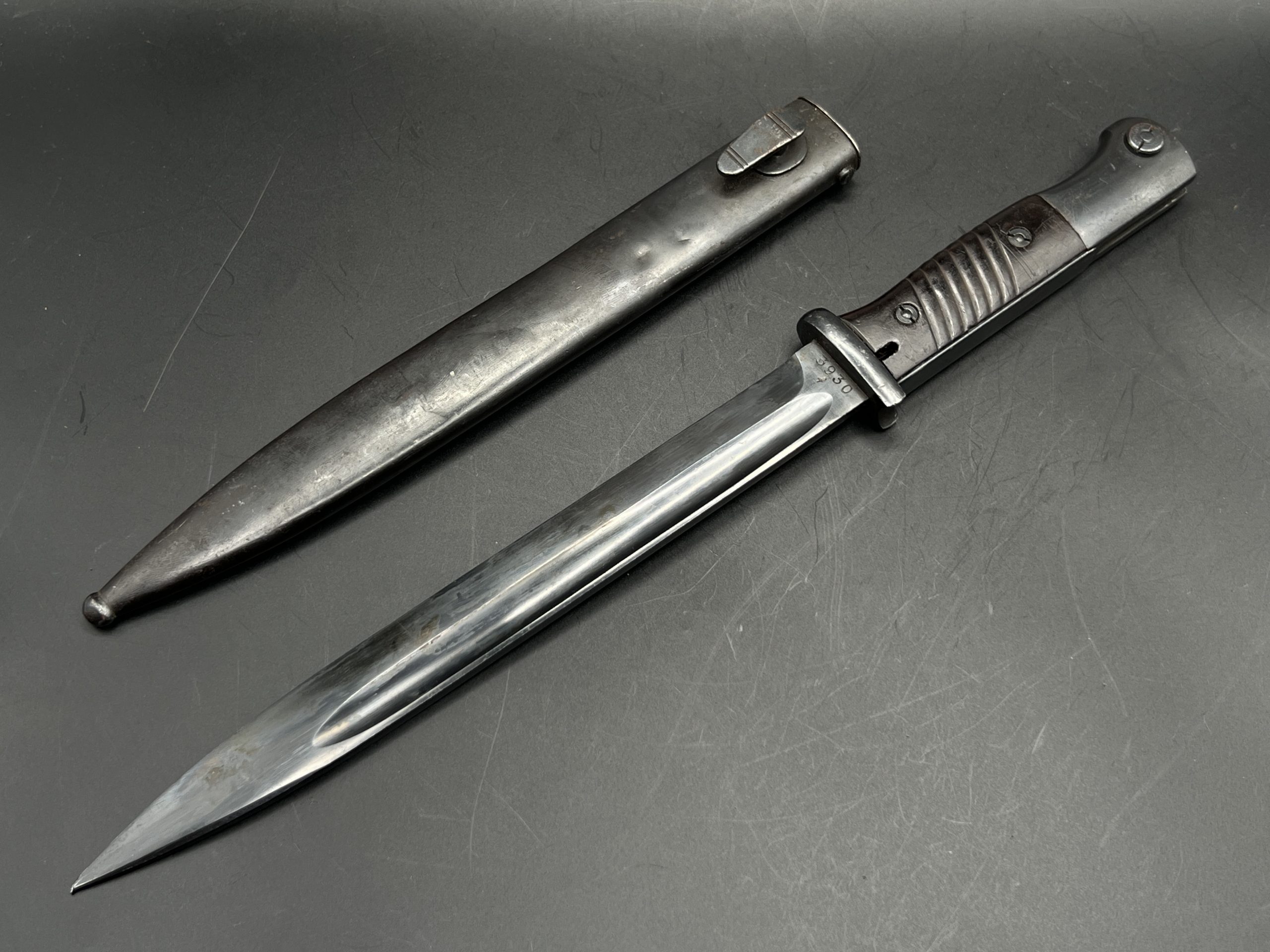
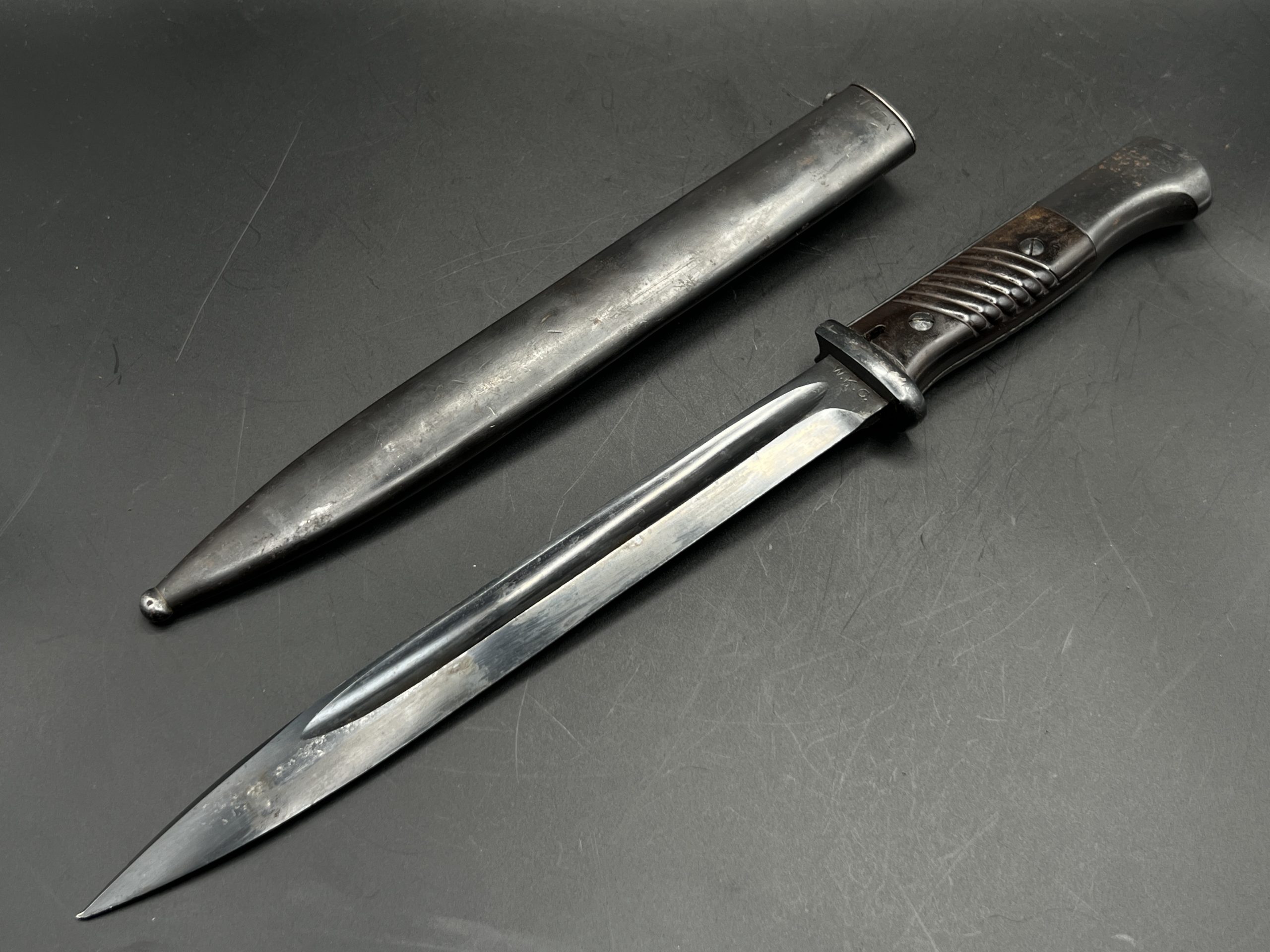
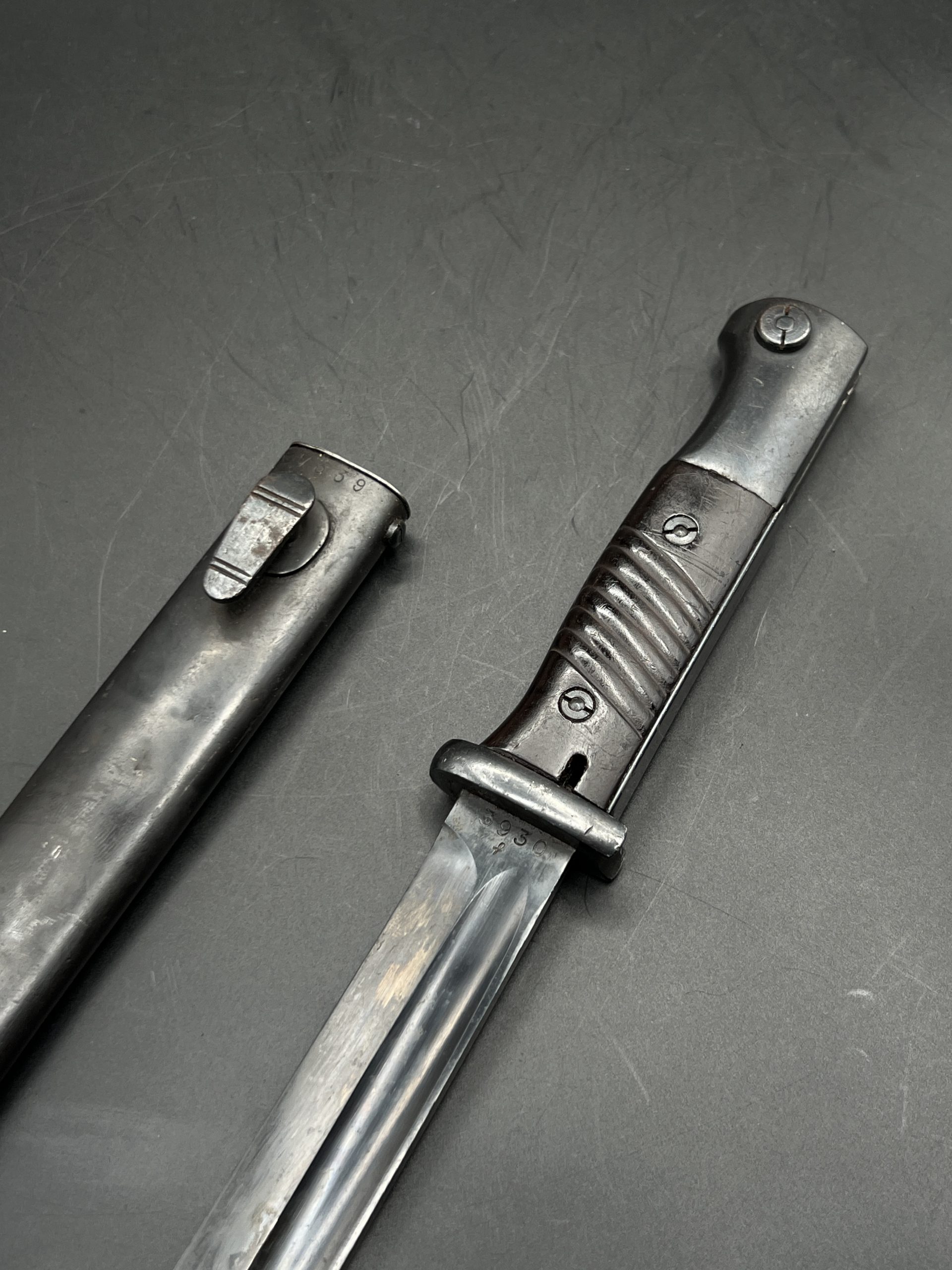
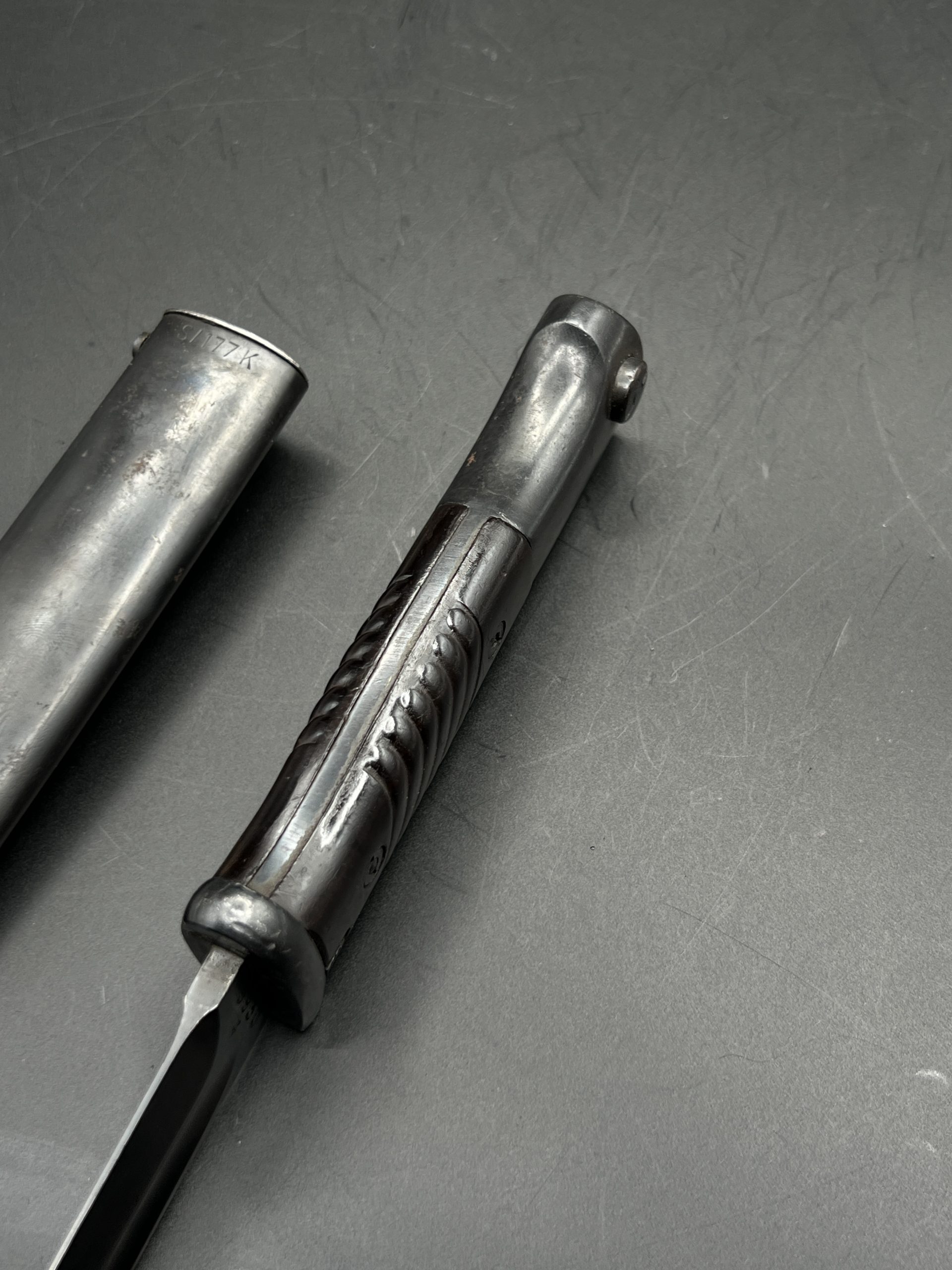
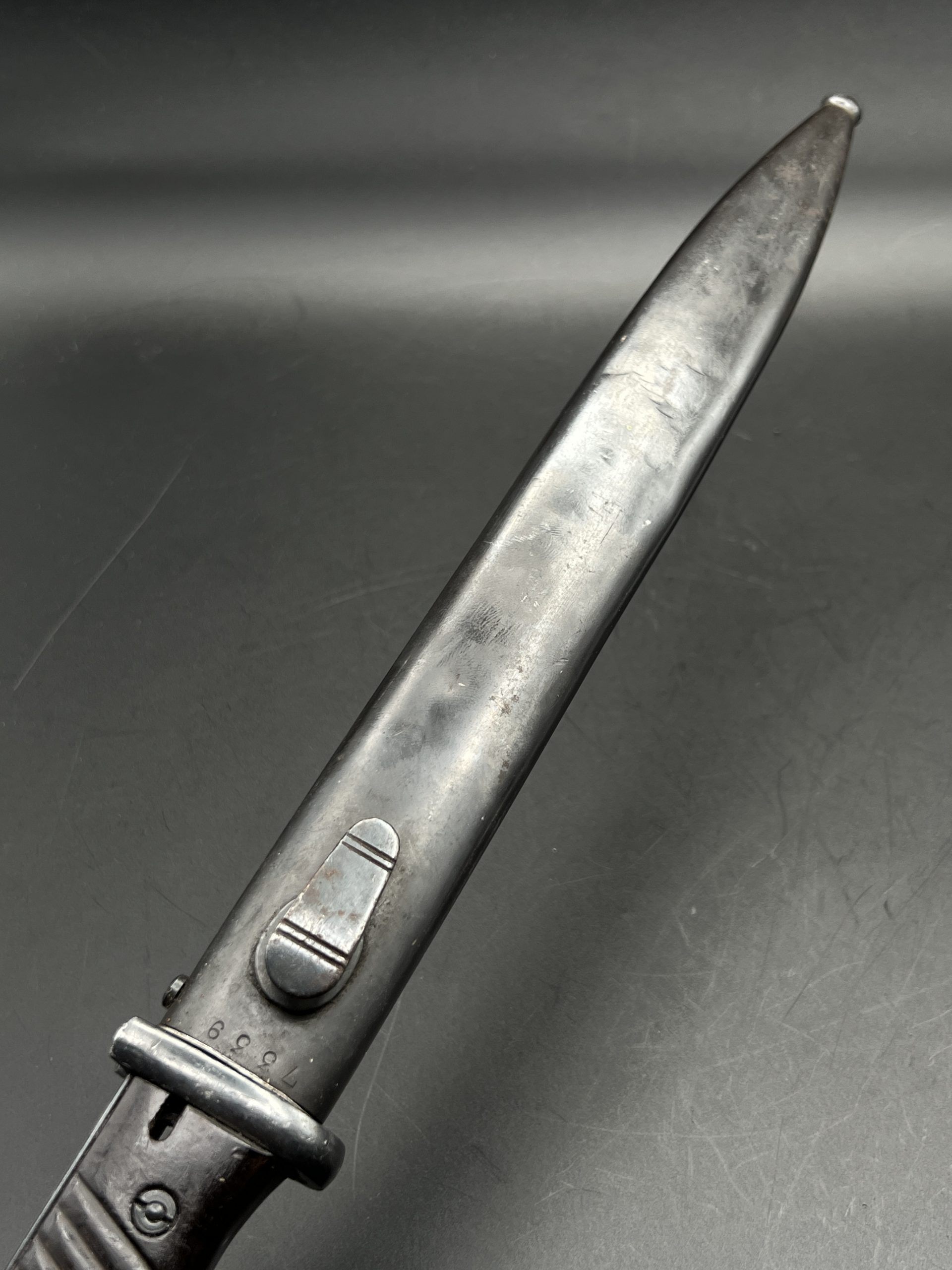
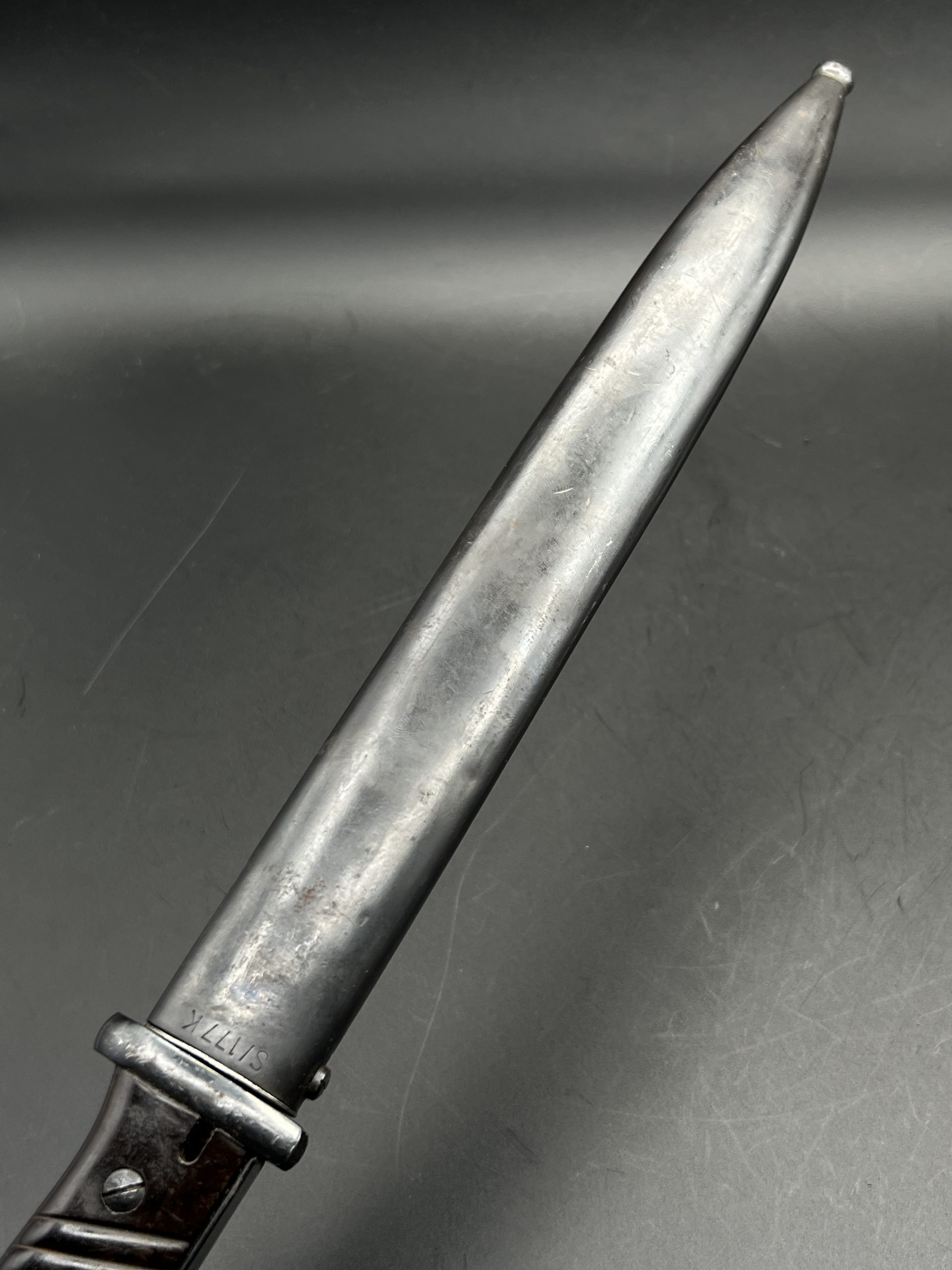
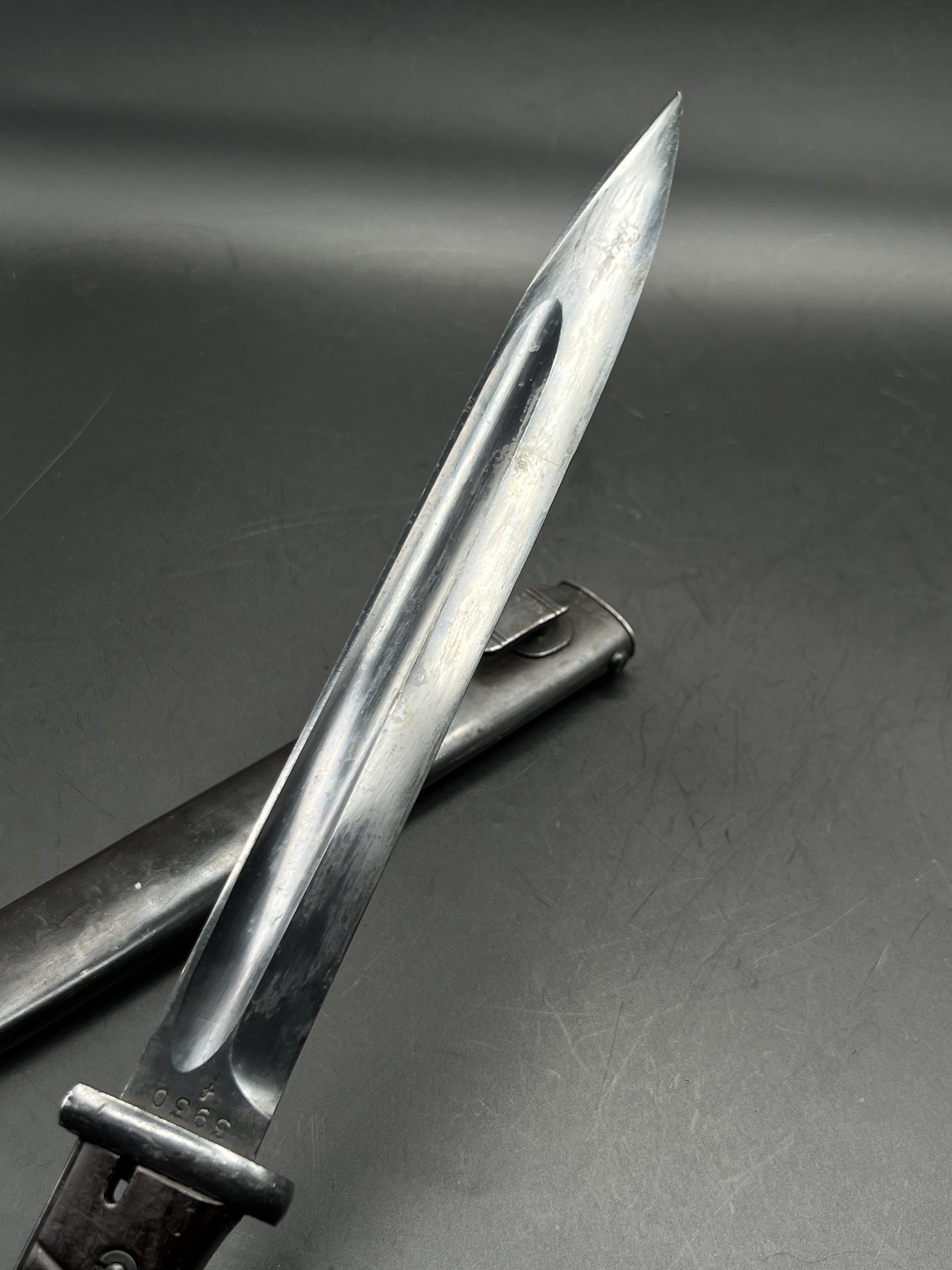
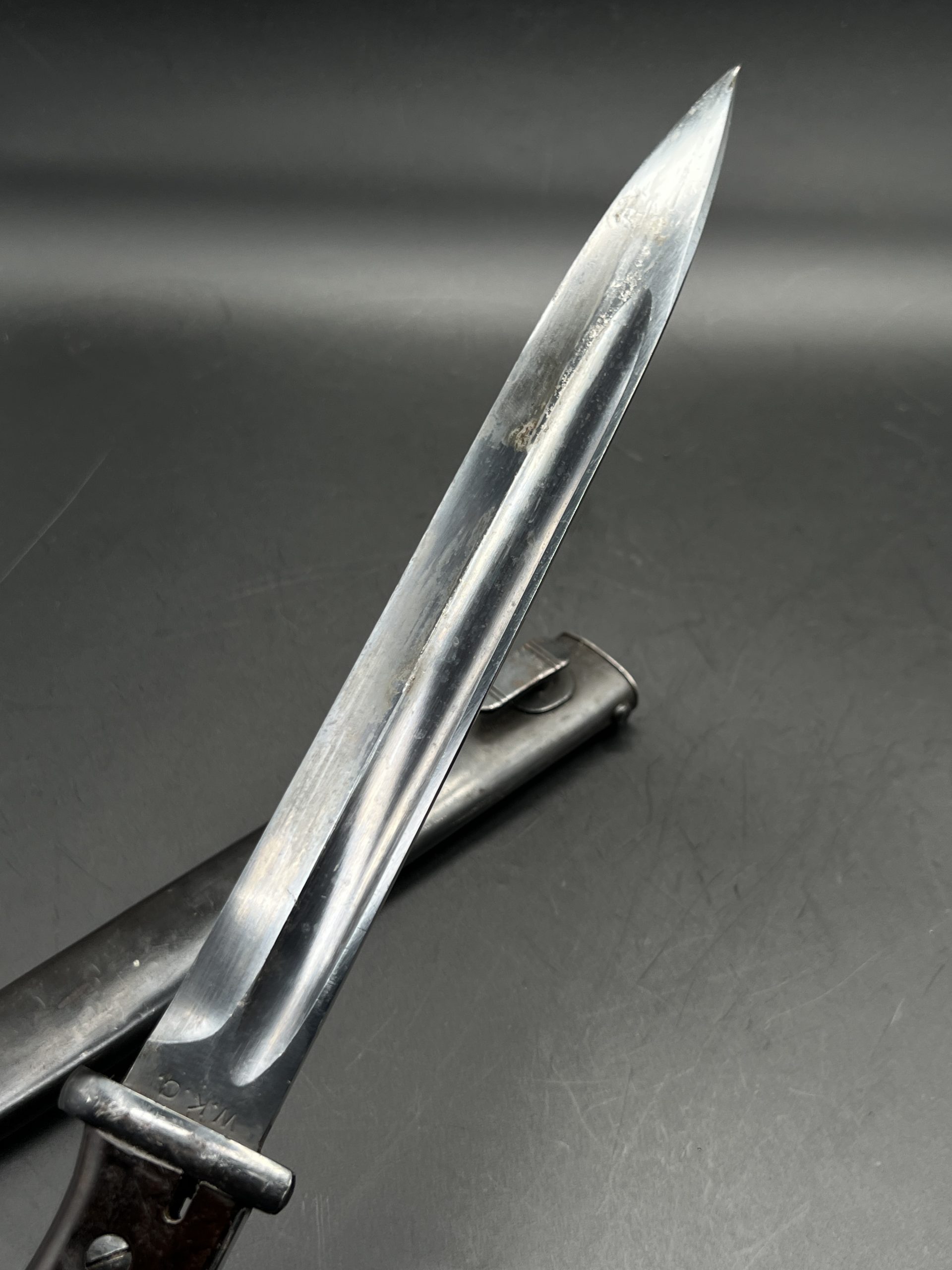
The legendary S84/98 bayonet is one of the most recognizable symbols of the German soldier during World War II. Representing a further development of the earlier S84/98 model, it was adopted as the standard bayonet for the Mauser Karabiner 98k carbine and was mass-produced by the German weapons industry. Due to its widespread distribution, this bayonet remained in service with the Wehrmacht throughout World War II and today represents one of the most popular areas of German edged weapons collecting.
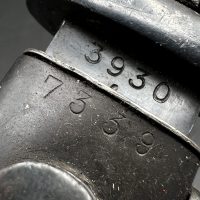
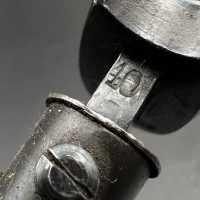
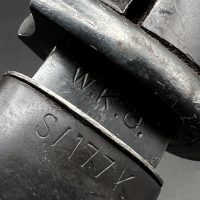
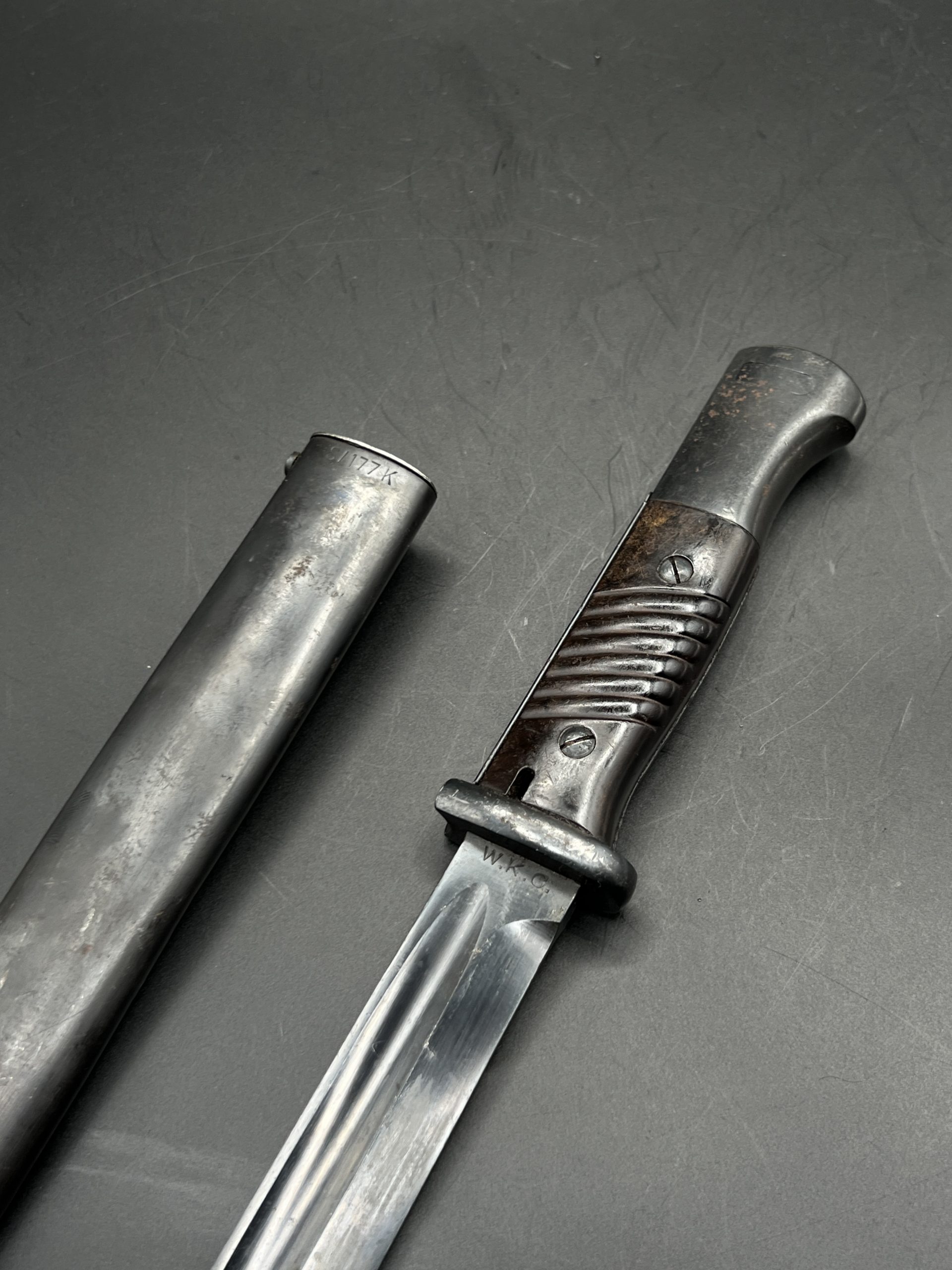
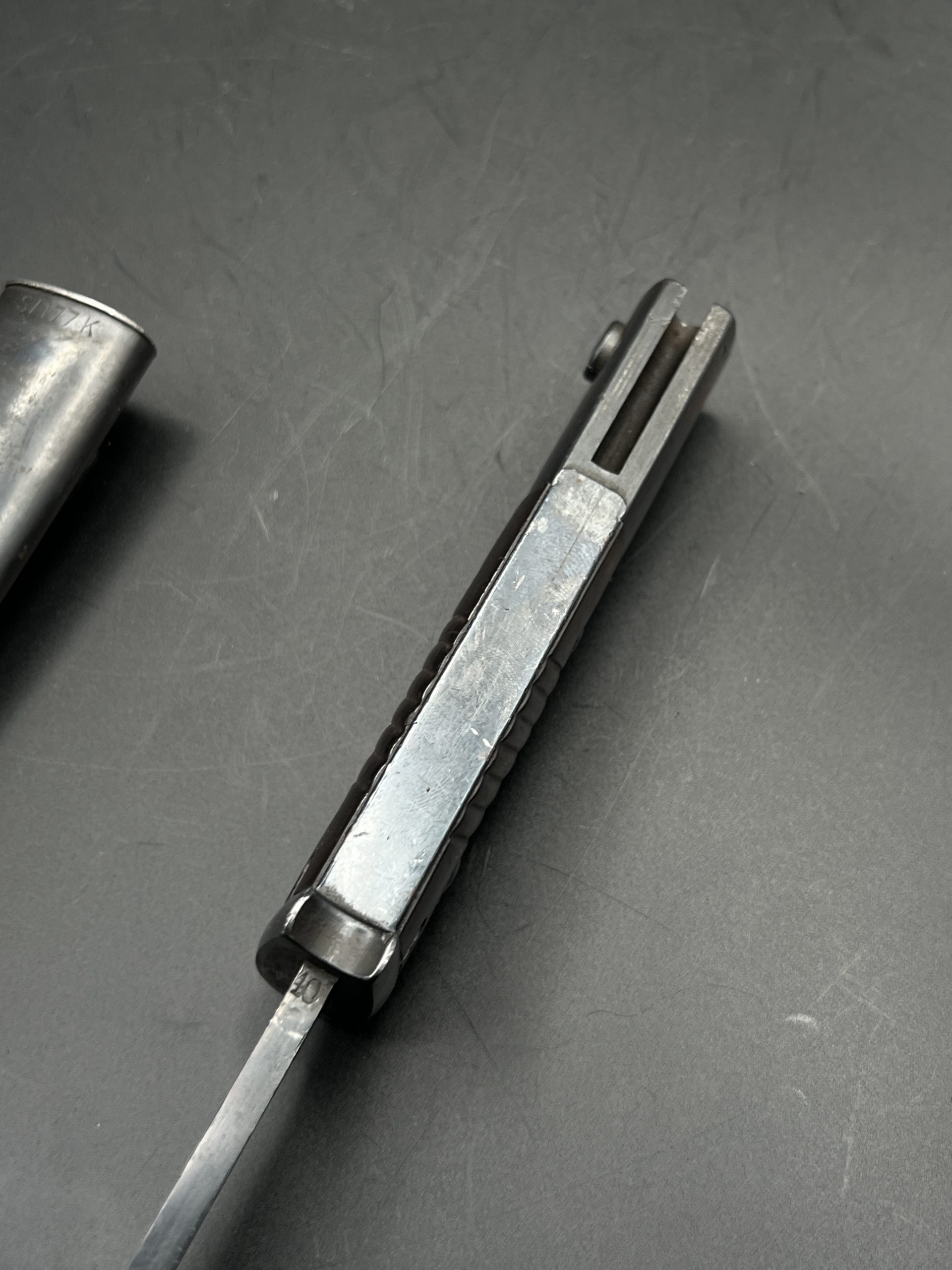
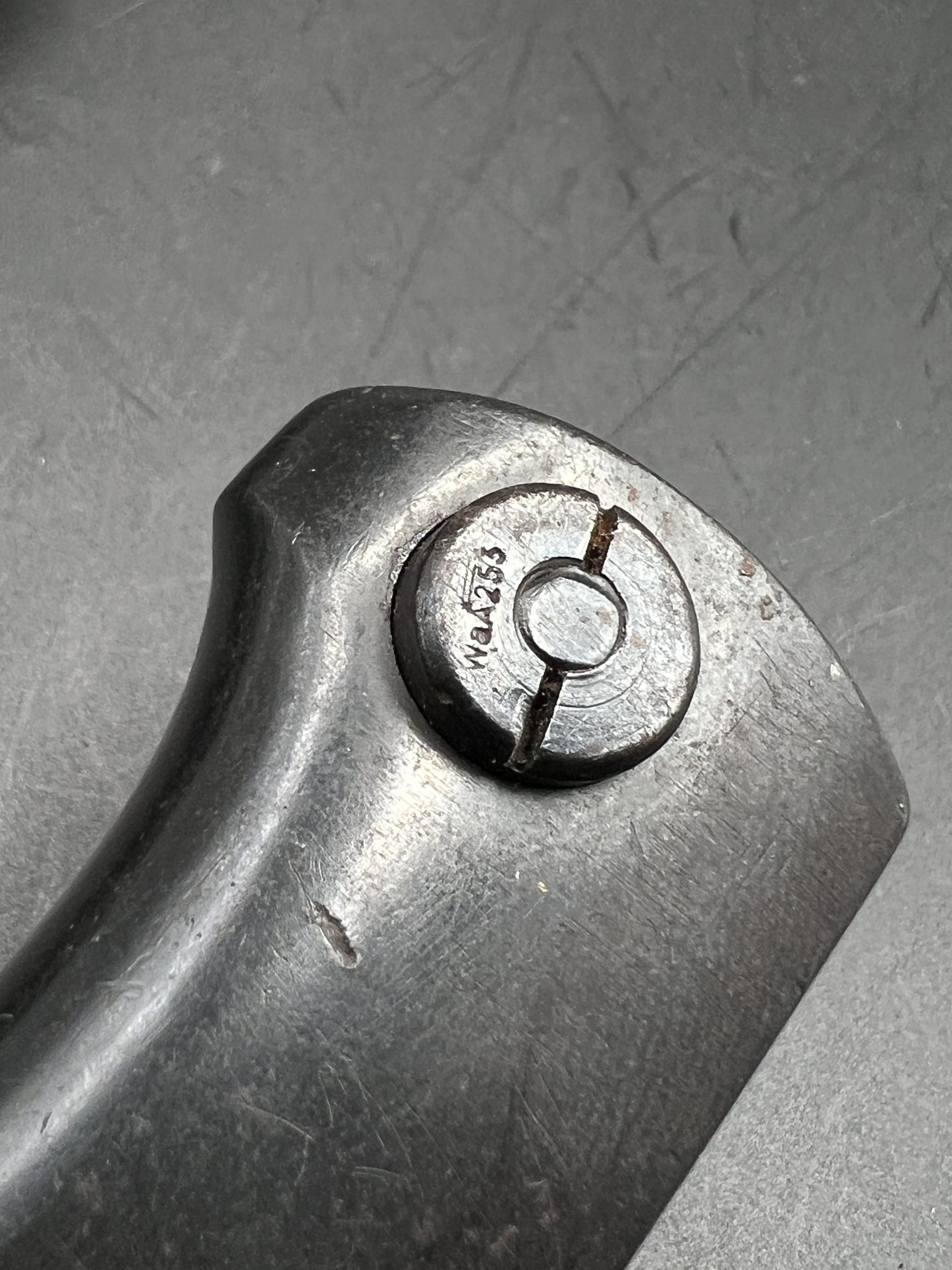
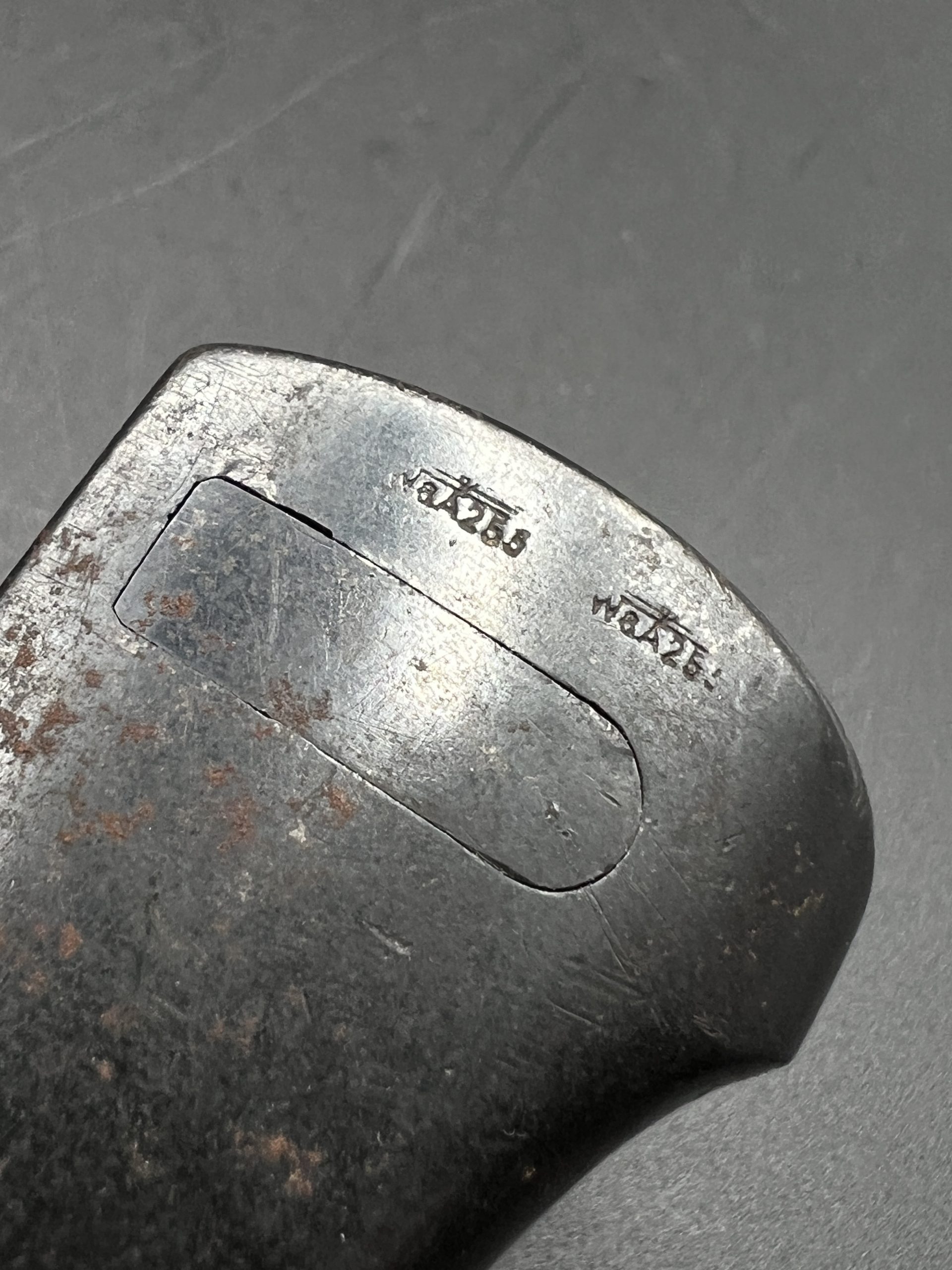
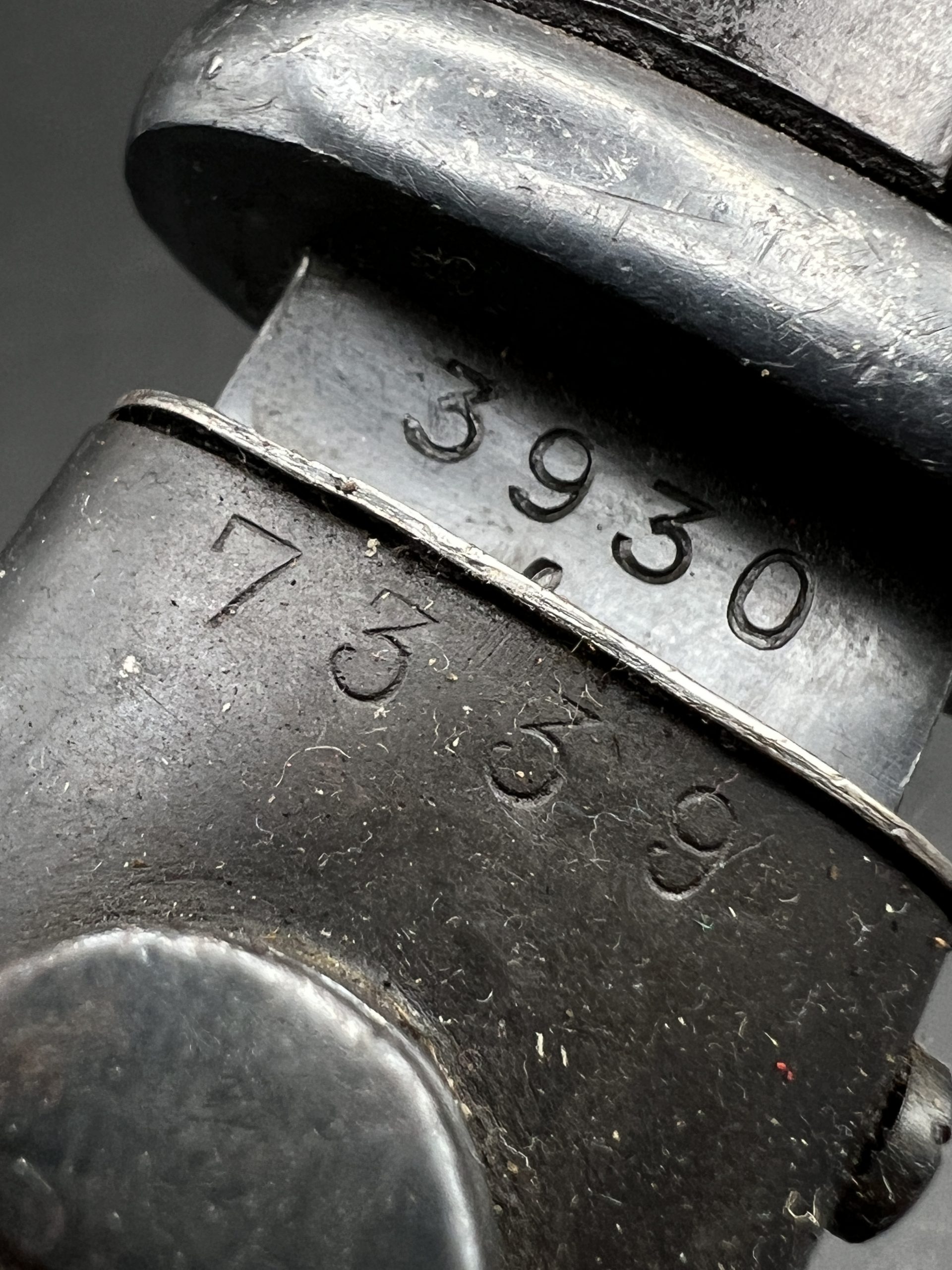
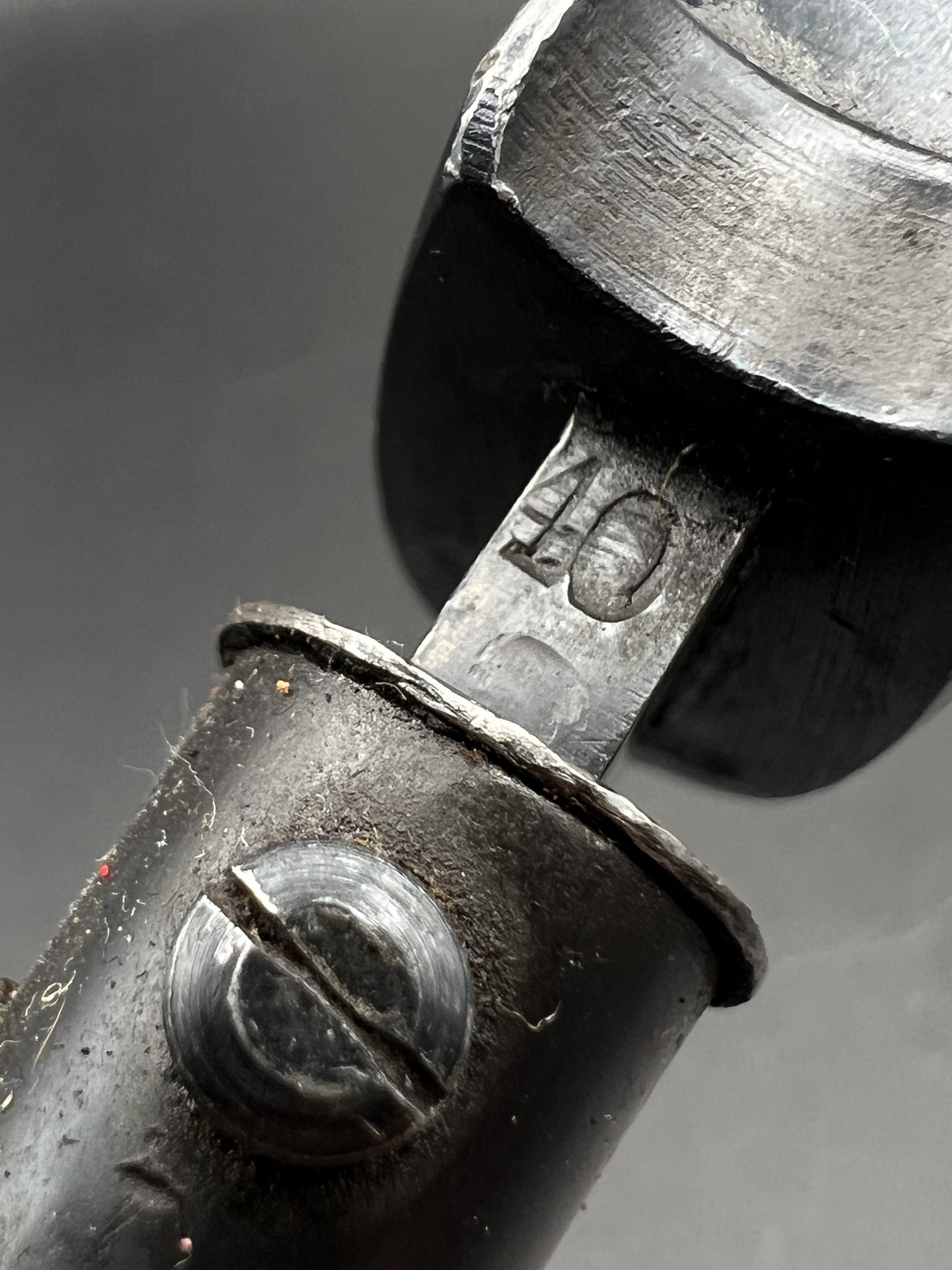
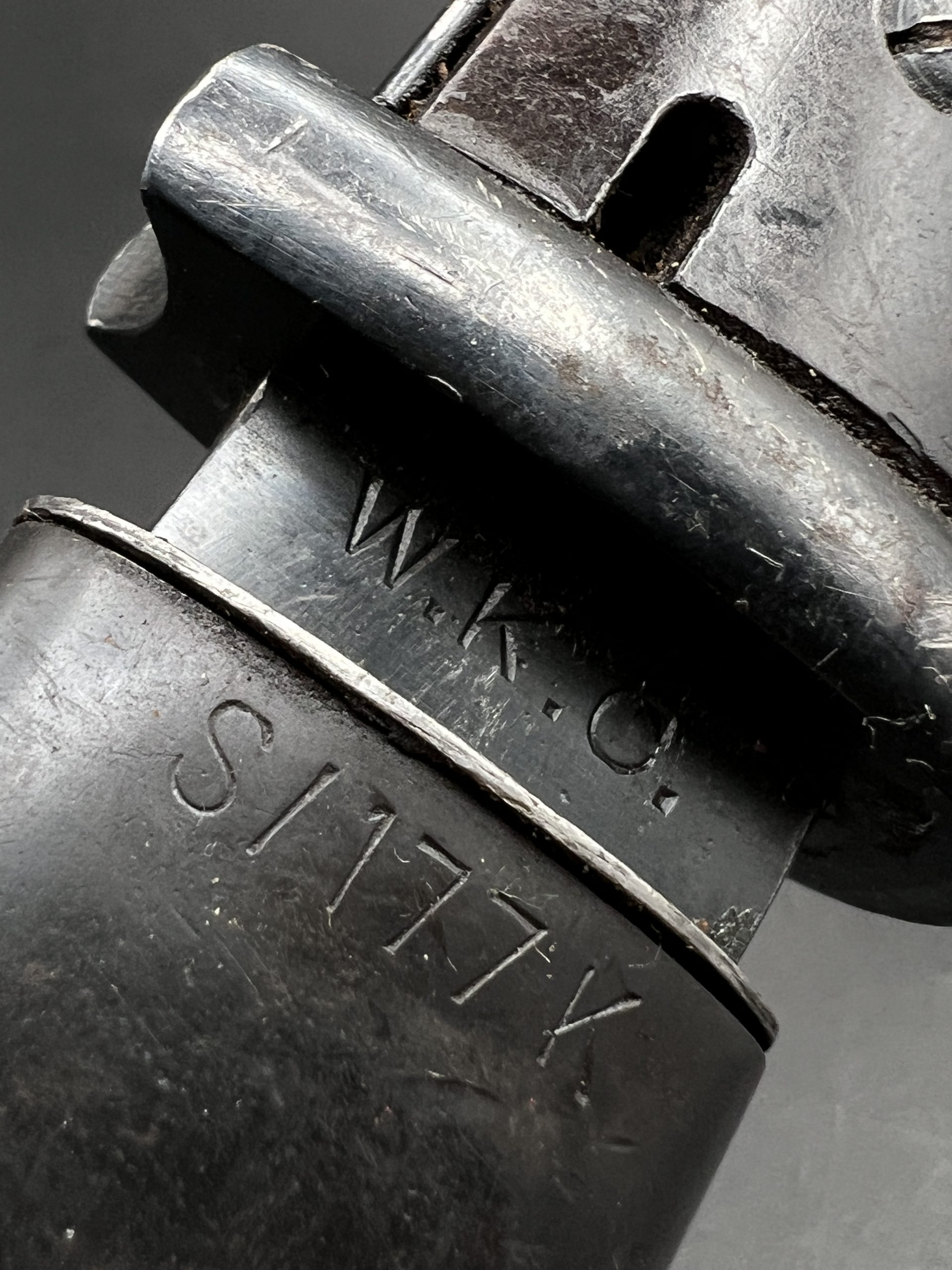
This 1940-dated example is of particular interest from an attribution standpoint. WKC bayonets from this period are characterized by the existence of two marking variants: early in the year, blades were produced with the traditional WKC company trademark; however, the manufacturer later transitioned to the letter code “cvl,” introduced as part of a system of anonymous manufacturer designations aimed at limiting the identification of military contractors. Thus, both variants date to 1940 and reflect a transitional period in the marking system of the German weapons industry, presenting additional interest for collectors.
The manufacturer WKC (Weyersberg, Kirschbaum & Cie) is rightfully considered one of the oldest and most prestigious weapons manufacturers in Solingen. Founded in 1883 through the merger of two renowned workshops, the company was the largest supplier of bayonets to the German army from the late 19th century onward, producing a wide range of models from Mauser rifle bayonets to dress examples.
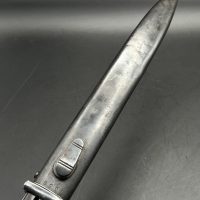
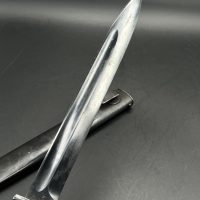
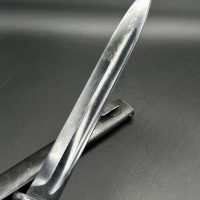
The collectible appeal of this example is substantially enhanced by the fact that the blade was never sharpened. Bayonets with unsharpened blades are of particular value to collectors, as they indicate minimal combat use or depot storage of the item. The absence of resharpening marks preserves the original blade geometry, which significantly increases the collectible value of the specimen.